
















©The Author(s) 2025.
World J Gastrointest Pharmacol Ther. Dec 5, 2025; 16(4): 110271
Published online Dec 5, 2025. doi: 10.4292/wjgpt.v16.i4.110271
Published online Dec 5, 2025. doi: 10.4292/wjgpt.v16.i4.110271
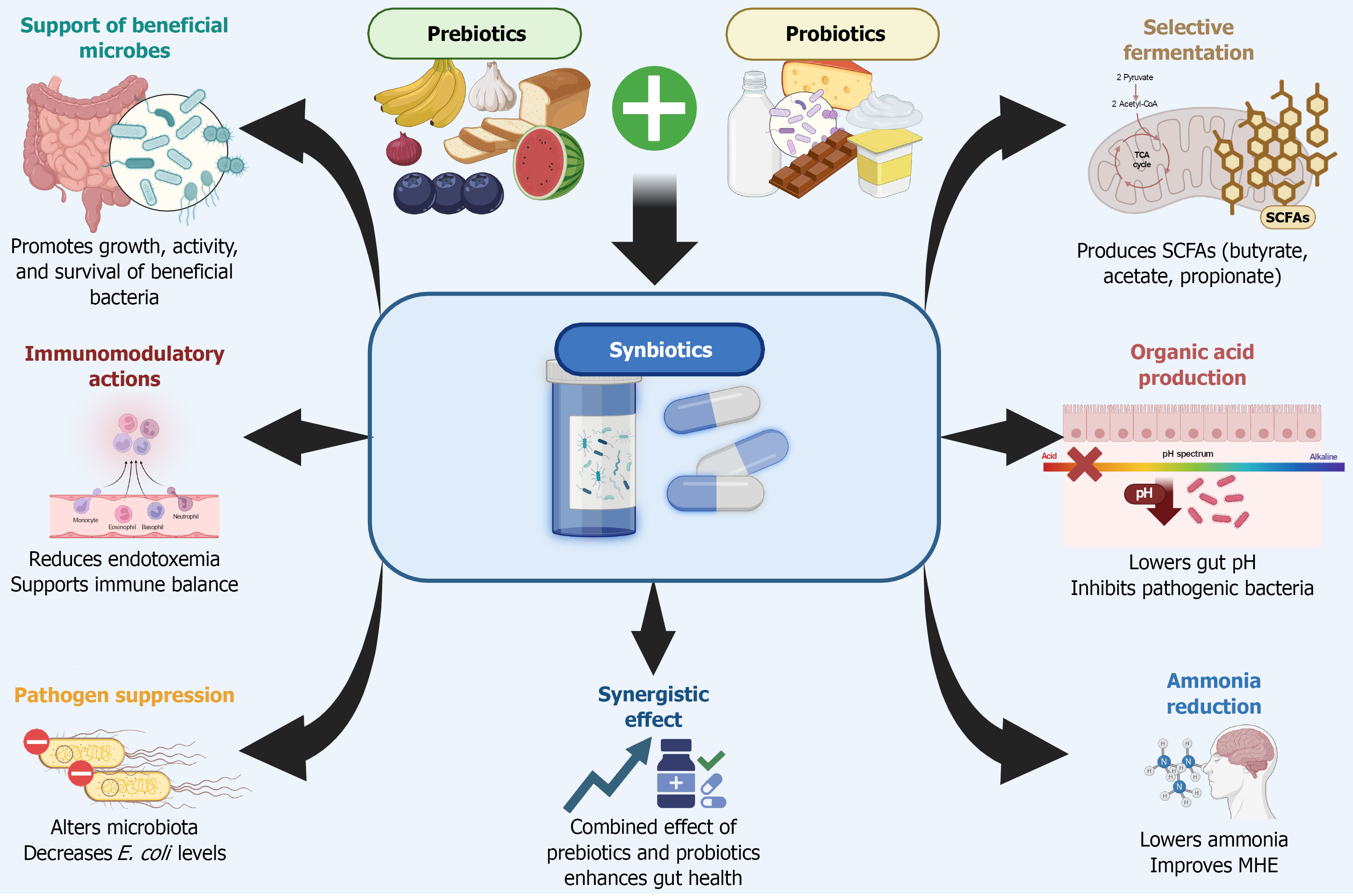
Figure 3 Synbiotic therapy: Microbial and metabolic benefits.
This illustration highlights the key mechanisms through which synbiotic therapy, combining prebiotics and probiotics, exerts beneficial effects on gut microbiota and host metabolism. Synbiotics work synergistically to promote the growth and activity of beneficial bacteria, enhance short-chain fatty acids production through selective fermentation, and lower intestinal pH via organic acid release. These changes suppress pathogenic organisms, reduce systemic endotoxemia, and modulate immune responses. Additionally, synbiotics help decrease intestinal ammonia production and absorption, contributing to improved cognitive outcomes in patients with hepatic encephalopathy. SCFA: Short-chain fatty acids; MHE: Minimal hepatic encephalopathy; E. coli: Escherichia coli.
- Citation: Vargas-Beltran AM, Mialma-Omana SJ, Vivanco-Tellez DO. Targeting gut microbiota in liver disease: A pharmacological approach for hepatic encephalopathy and beyond. World J Gastrointest Pharmacol Ther 2025; 16(4): 110271
- URL: https://www.wjgnet.com/2150-5349/full/v16/i4/110271.htm
- DOI: https://dx.doi.org/10.4292/wjgpt.v16.i4.110271