
















©The Author(s) 2025.
World J Gastrointest Pathophysiol. Dec 22, 2025; 16(4): 111550
Published online Dec 22, 2025. doi: 10.4291/wjgp.v16.i4.111550
Published online Dec 22, 2025. doi: 10.4291/wjgp.v16.i4.111550
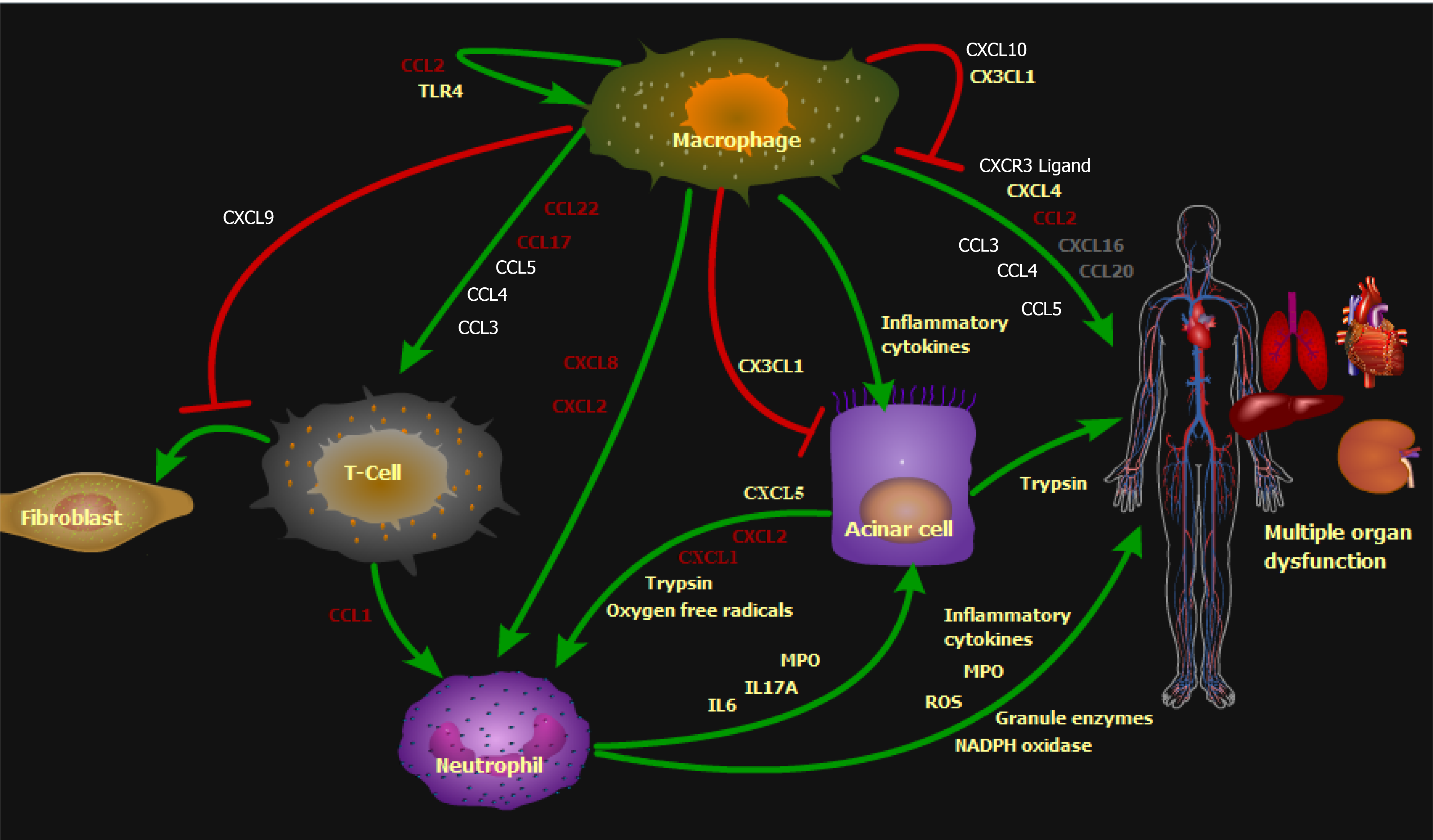
Figure 5 Molecular mechanisms involved in pancreatitis.
The figure illustrates several chemokines molecular mechanisms for the pancreatitis. These include macrophage-mediated production of inflammatory cytokines to impair pancreatic cells, causing trypsin spillage that leads to multiple organ dysfunction, and chemokines to attract immune cells, such as T-cell chemokines CCL3, CCL4, CCL5, CCL17, and CCL22, and neutrophil chemokines CXCL2 and CXCL8. Simul
- Citation: Ni WF, Qin CC. Roles of chemokines in pancreatitis: A review. World J Gastrointest Pathophysiol 2025; 16(4): 111550
- URL: https://www.wjgnet.com/2150-5330/full/v16/i4/111550.htm
- DOI: https://dx.doi.org/10.4291/wjgp.v16.i4.111550