
















©The Author(s) 2025.
World J Gastrointest Pathophysiol. Dec 22, 2025; 16(4): 111550
Published online Dec 22, 2025. doi: 10.4291/wjgp.v16.i4.111550
Published online Dec 22, 2025. doi: 10.4291/wjgp.v16.i4.111550
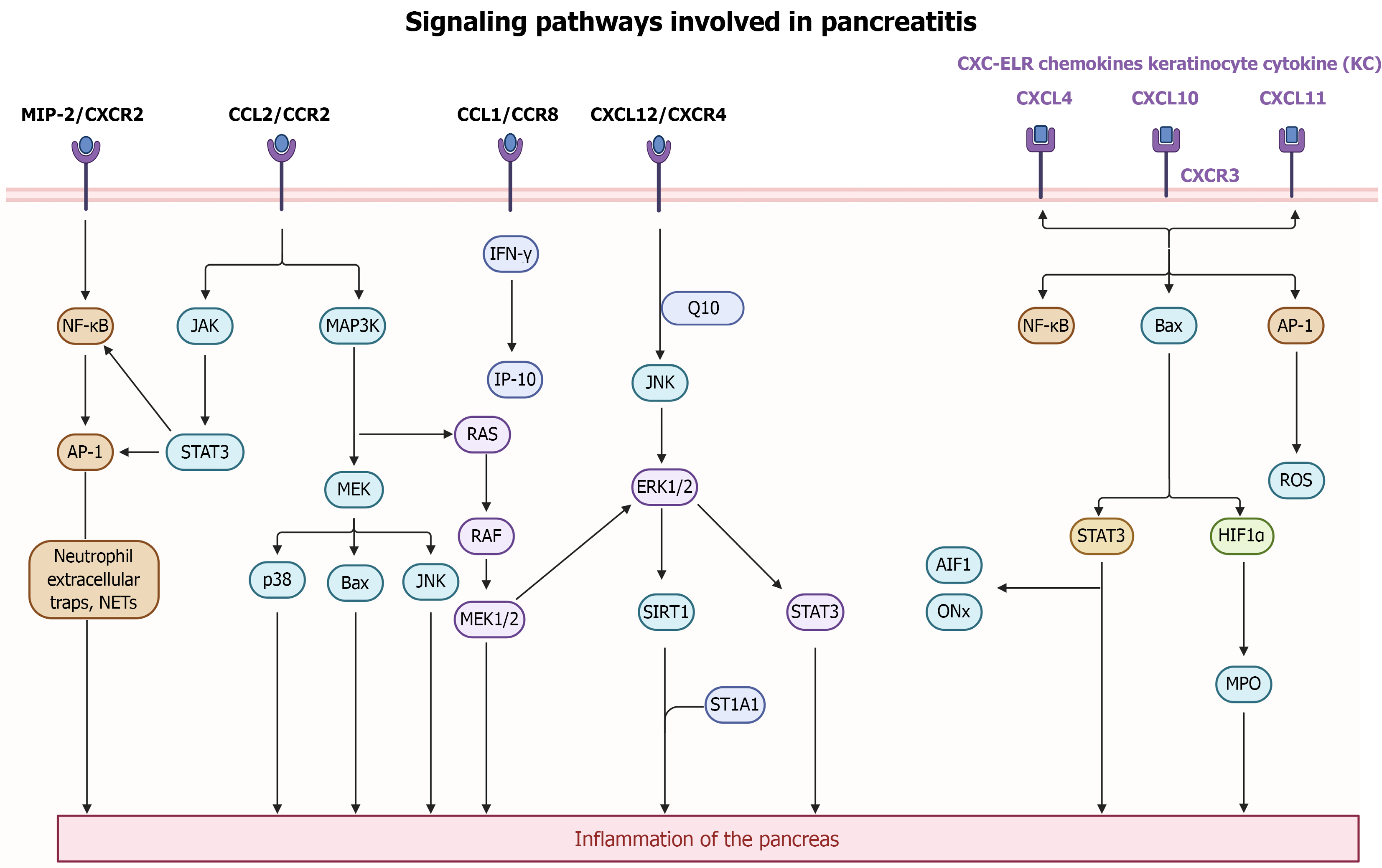
Figure 4 The signaling pathways involved in pancreatitis pathogenesis.
Upon pancreatitis onset, fatty acids released from peripancreatic fat induce expression of chemokines, including CCL2, MIP-2, and CXCL12, in pancreatic acinar cells via MAPK/JAK-mediated NF-κB and STAT3 pathways. Additionally, CXC-ELR triggers activation in mononuclear cells through CXCR3 signaling and activation of upstream regulators like pJNK, p38, and Bax, leading to the occurrence of pancreatitis. Inflammatory stimuli such as NETs or inflammation-related signaling pathways such as MAPK, JNK/STAT, INF-γ/AP-10, and ERK/SIRT1, enhance chemokine expression, accompanied by ROS, myeloperoxidase, AIF1, ONx production and NF-κB activation, exacerbating the inflammatory response. These signaling mechanisms collectively contribute to acinar cell damage, immune cell recruitment, and the progression of pancreatitis.
- Citation: Ni WF, Qin CC. Roles of chemokines in pancreatitis: A review. World J Gastrointest Pathophysiol 2025; 16(4): 111550
- URL: https://www.wjgnet.com/2150-5330/full/v16/i4/111550.htm
- DOI: https://dx.doi.org/10.4291/wjgp.v16.i4.111550