
















©The Author(s) 2025.
World J Radiol. Dec 28, 2025; 17(12): 114595
Published online Dec 28, 2025. doi: 10.4329/wjr.v17.i12.114595
Published online Dec 28, 2025. doi: 10.4329/wjr.v17.i12.114595
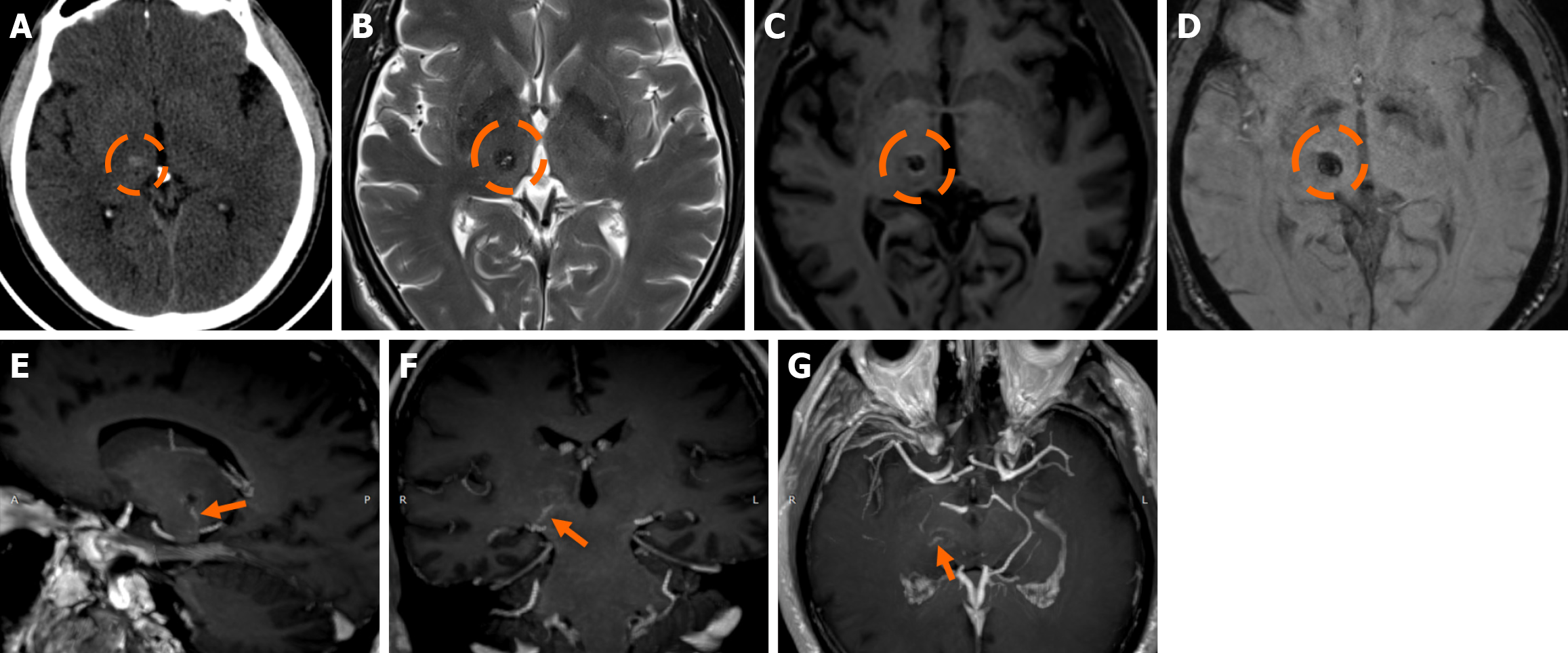
Figure 9 Cerebral cavernous malformation and developmental venous anomaly.
A: Non-contrast-enhanced computed tomography in a 60-year-old man presenting to the emergency department due to dizziness and a medical history of arterial hypertension. A mildly hyperdense lesion was depicted in the right thalamus (dashed circle). Considering the location of the lesion and the medical history of arterial hypertension, it was suspicious of a hypertensive bleed. The lesion remained unchanged in follow-up computed tomography examinations, and therefore, further magnetic resonance imaging was decided; B: On T2-weighted images, the lesion displayed heterogeneous signal intensity centrally with a “popcorn-like” appearance and a peripheral low-signal hemosiderin rim; C: On T1-weighted images, heterogeneous, mostly hypointense, signal was noted centrally with mildly increased T1 signal in the periphery; D: On susceptibility-weighted imaging, the lesion displayed intense blooming. The findings were suggestive of a Zabramski type II cerebral cavernous malformation rather than a hypertensive bleed; E-G: This scenario was further validated by the depiction of an adjacent ectopic draining vein (arrows) on T1-weighted sagittal (E), coronal (F) and axial (G) maximum intensity projection reconstructions following intravenous gadolinium administration, thus indicating the concomitant presence of a developmental venous anomaly.
- Citation: Arkoudis NA, Siderakis M, Tsetsou I, Efthymiou E, Triantafyllou G, Chalmoukis D, Karachaliou A, Papadopoulos A, Prountzos S, Moschovaki-Zeiger O, Gouliopoulos N, Papakonstantinou O, Filippiadis D, Velonakis G. Developmental venous anomalies and cerebral cavernous malformations: Partners in crime. World J Radiol 2025; 17(12): 114595
- URL: https://www.wjgnet.com/1949-8470/full/v17/i12/114595.htm
- DOI: https://dx.doi.org/10.4329/wjr.v17.i12.114595