
















Copyright: ©Author(s) 2026.
World J Cardiol. Mar 26, 2026; 18(3): 116780
Published online Mar 26, 2026. doi: 10.4330/wjc.v18.i3.116780
Published online Mar 26, 2026. doi: 10.4330/wjc.v18.i3.116780
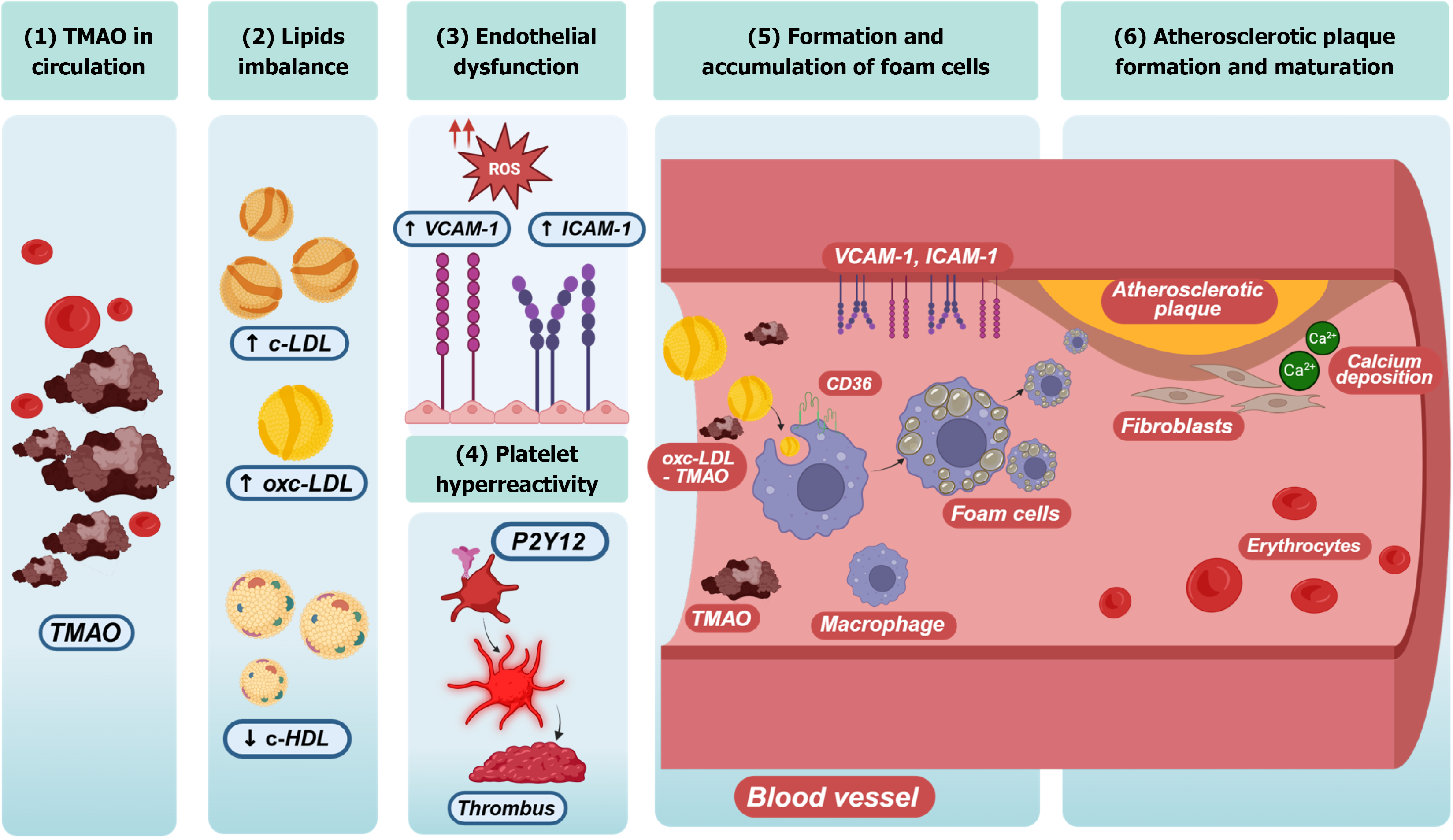
Figure 2 Role of trimethylamine N-oxide in atherosclerotic plaque formation and thrombosis.
Increased circulating trimethylamine N-oxide promotes endothelial dysfunction, foamy macrophage accumulation, and an inflammatory environment favoring the expression of adhesion molecules (vascular cell adhesion molecule-1, intercellular adhesion molecule 1). In addition, it contributes to lipid imbalance, which increases the uptake of oxidized low-density lipoprotein cholesterol by macrophages, increases platelet reactivity, and alters vascular remodeling through collagen synthesis and calcification. They culminate in the formation and maturation of atherosclerotic plaque. TMAO: Trimethylamine N-oxide; c-LDL: Low-density lipoprotein cholesterol; oxc-LDL: Oxidized low-density lipoprotein cholesterol; c-HDL: High-density lipoprotein cholesterol; VCAM-1: Vascular cell adhesion molecule-1; ICAM-1: Intercellular adhesion molecule-1; P2Y12: Purinergic receptor P2Y12; ROS: Reactive oxygen species.
- Citation: Jaimez Alvarado S, Flores Enciso MF, Amedei A, Aguirre García MM. Gut microbiota-derived metabolite trimethylamine N-oxide in major adverse cardiovascular events: Mechanisms, risk assessment, and therapeutic strategies. World J Cardiol 2026; 18(3): 116780
- URL: https://www.wjgnet.com/1949-8462/full/v18/i3/116780.htm
- DOI: https://dx.doi.org/10.4330/wjc.v18.i3.116780