
















Copyright: ©Author(s) 2026.
World J Cardiol. Mar 26, 2026; 18(3): 116780
Published online Mar 26, 2026. doi: 10.4330/wjc.v18.i3.116780
Published online Mar 26, 2026. doi: 10.4330/wjc.v18.i3.116780
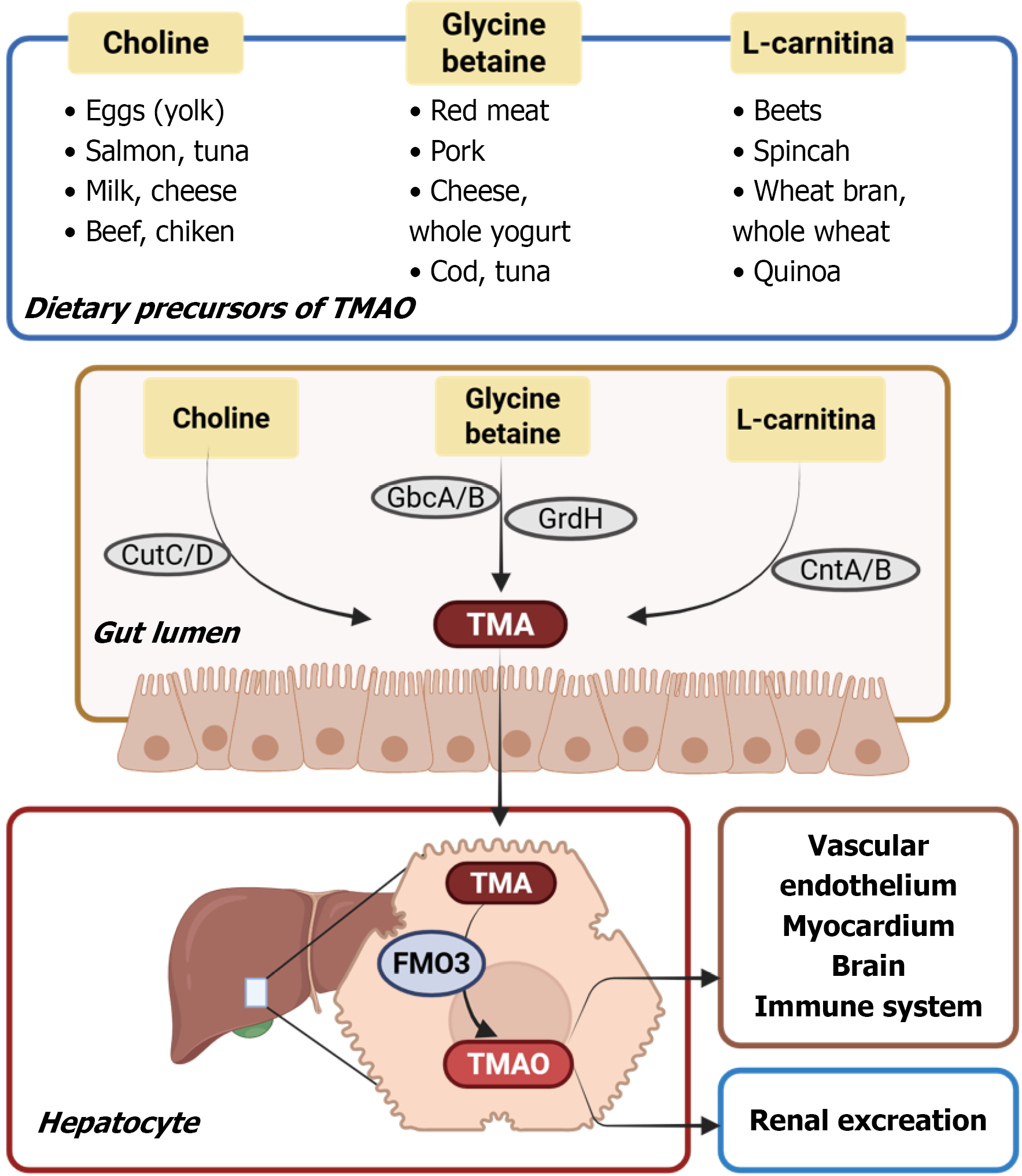
Figure 1 Trimethylamine N-oxide metabolic pathway.
Choline, betaine, and L-carnitine, present in animal-derived foods, are metabolized by the gut microbiome into trimethylamine (TMA) by gut microbiome enzyme complexes. TMA is absorbed and transported to the liver via the portal vein system, where it is oxidized by the coenzyme flavin monooxygenase 3 to TMA oxide. This metabolite is primarily excreted through the kidney. TMAO: Trimethylamine N-oxide; cutC/D: Choline utilization gene C/D; GbcA/B: Glycine betaine reductase components A/B; GrdH: Glycine reductase component H; cntA/B: Carnitine monooxygenase system; TMA: Trimethylamine; FMO3: Flavin monooxygenase 3.
- Citation: Jaimez Alvarado S, Flores Enciso MF, Amedei A, Aguirre García MM. Gut microbiota-derived metabolite trimethylamine N-oxide in major adverse cardiovascular events: Mechanisms, risk assessment, and therapeutic strategies. World J Cardiol 2026; 18(3): 116780
- URL: https://www.wjgnet.com/1949-8462/full/v18/i3/116780.htm
- DOI: https://dx.doi.org/10.4330/wjc.v18.i3.116780