
















©The Author(s) 2026.
World J Diabetes. Jan 15, 2026; 17(1): 112942
Published online Jan 15, 2026. doi: 10.4239/wjd.v17.i1.112942
Published online Jan 15, 2026. doi: 10.4239/wjd.v17.i1.112942
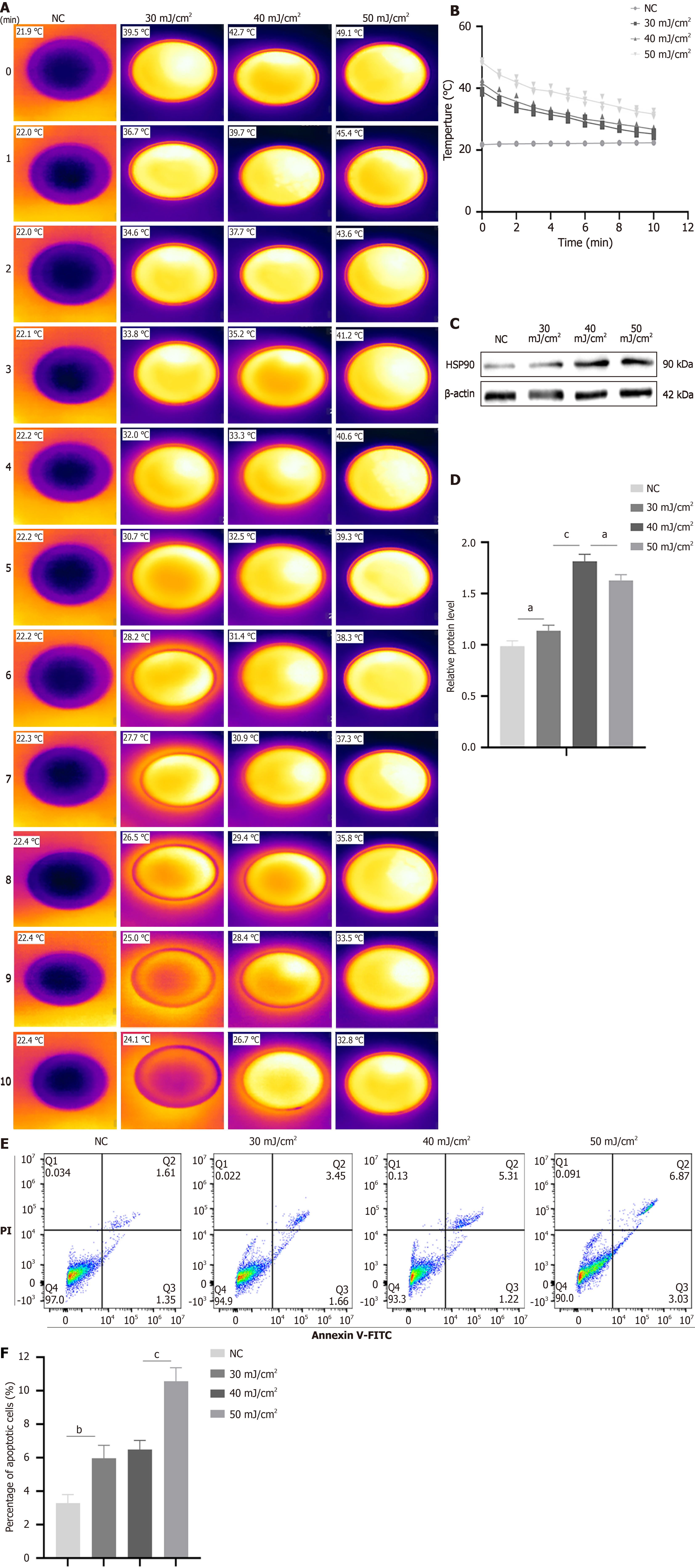
Figure 2 Low-energy fractional CO2 laser-induced heat stress enhances heat shock protein 90 expression in adipose-derived mese
- Citation: Chen JY, Ji Z, Guo K, Wang HN, Zhu CC, Li T, Zhao XB, Wang YT, Li Q, Jin PS, Li XY. Fractional carbon dioxide laser-induced photothermal activation of mesenchymal stem cell-derived exosomes accelerates diabetic wound healing by enhancing angiogenesis. World J Diabetes 2026; 17(1): 112942
- URL: https://www.wjgnet.com/1948-9358/full/v17/i1/112942.htm
- DOI: https://dx.doi.org/10.4239/wjd.v17.i1.112942