
















©The Author(s) 2025.
World J Diabetes. Aug 15, 2025; 16(8): 108101
Published online Aug 15, 2025. doi: 10.4239/wjd.v16.i8.108101
Published online Aug 15, 2025. doi: 10.4239/wjd.v16.i8.108101
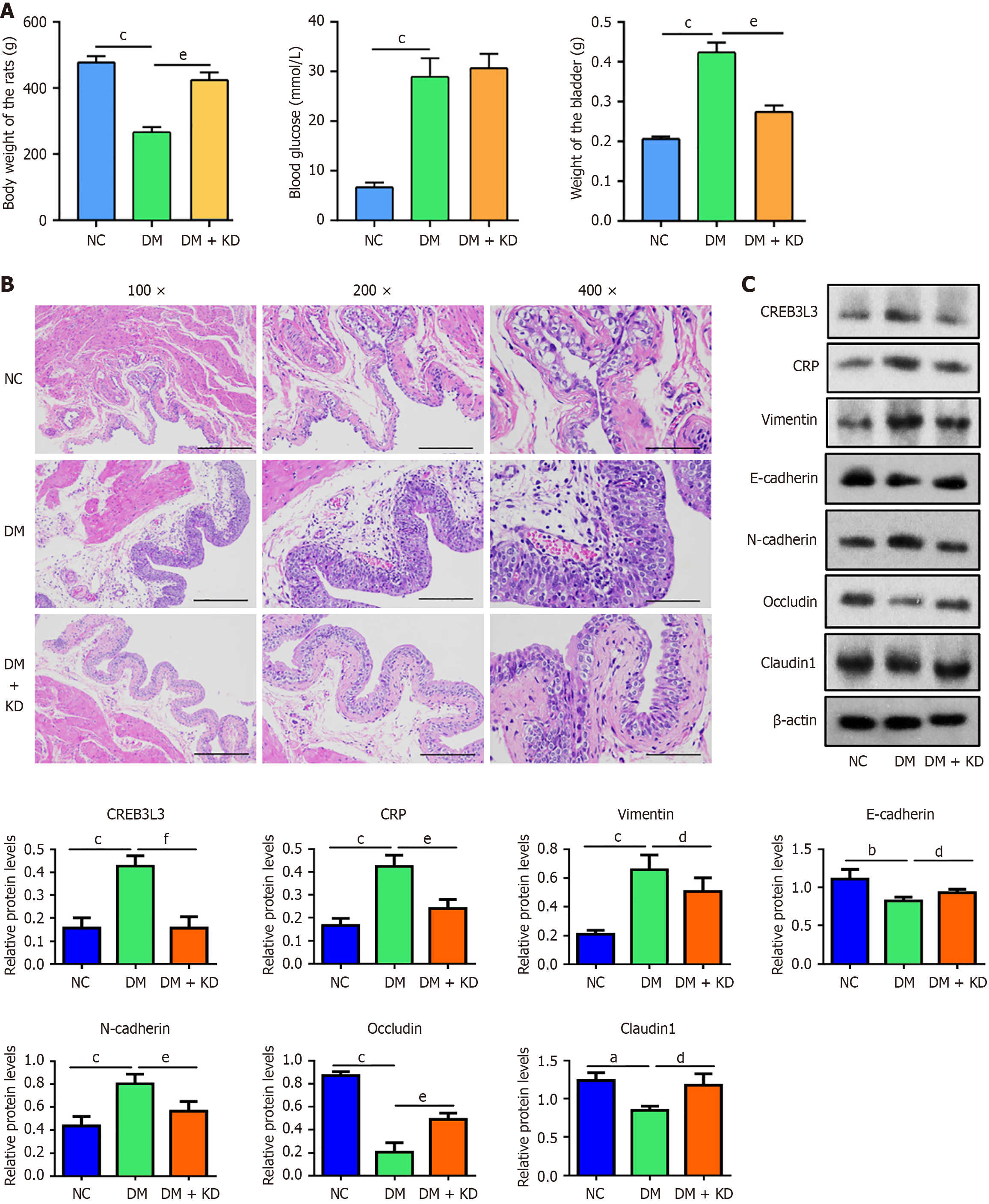
Figure 6 Establishment of diabetic cystopathy rat models for 8 weeks.
A: At the end of the 8 weeks, the body weight, blood glucose and bladder weight from rats were measured; B: Hematoxylin and eosin staining of bladder tissues of the rats at the end of the 8 weeks, and each group contained three replicates; C: Western blotting detected the expression of cAMP-responsive element-binding protein 3 Like 3 (CREB3 L3), C-reactive protein (CRP), vimentin, N-cadherin, E-cadherin, claudin 1, and occludin in the bladder urothelial tissues of the rats at the end of 8 weeks. Each group contained three replicates. aP < 0.05 vs negative control (NC) group, bP < 0.01 vs NC group, cP < 0.001 vs NC group; dP < 0.05 vs diabetes mellitus (DM) group, eP < 0.01 vs DM group, fP < 0.001 vs DM group.
- Citation: Wu QG, Zhang MJ, Lan YB, Ma CL, Fu WJ. Hyperglycemia-induced overexpression of CREB3 L3 promotes the epithelial-to-mesenchymal transition in bladder urothelial cells in diabetes mellitus. World J Diabetes 2025; 16(8): 108101
- URL: https://www.wjgnet.com/1948-9358/full/v16/i8/108101.htm
- DOI: https://dx.doi.org/10.4239/wjd.v16.i8.108101