
















Copyright: ©Author(s) 2026.
World J Gastrointest Oncol. Jun 15, 2026; 18(6): 116624
Published online Jun 15, 2026. doi: 10.4251/wjgo.v18.i6.116624
Published online Jun 15, 2026. doi: 10.4251/wjgo.v18.i6.116624
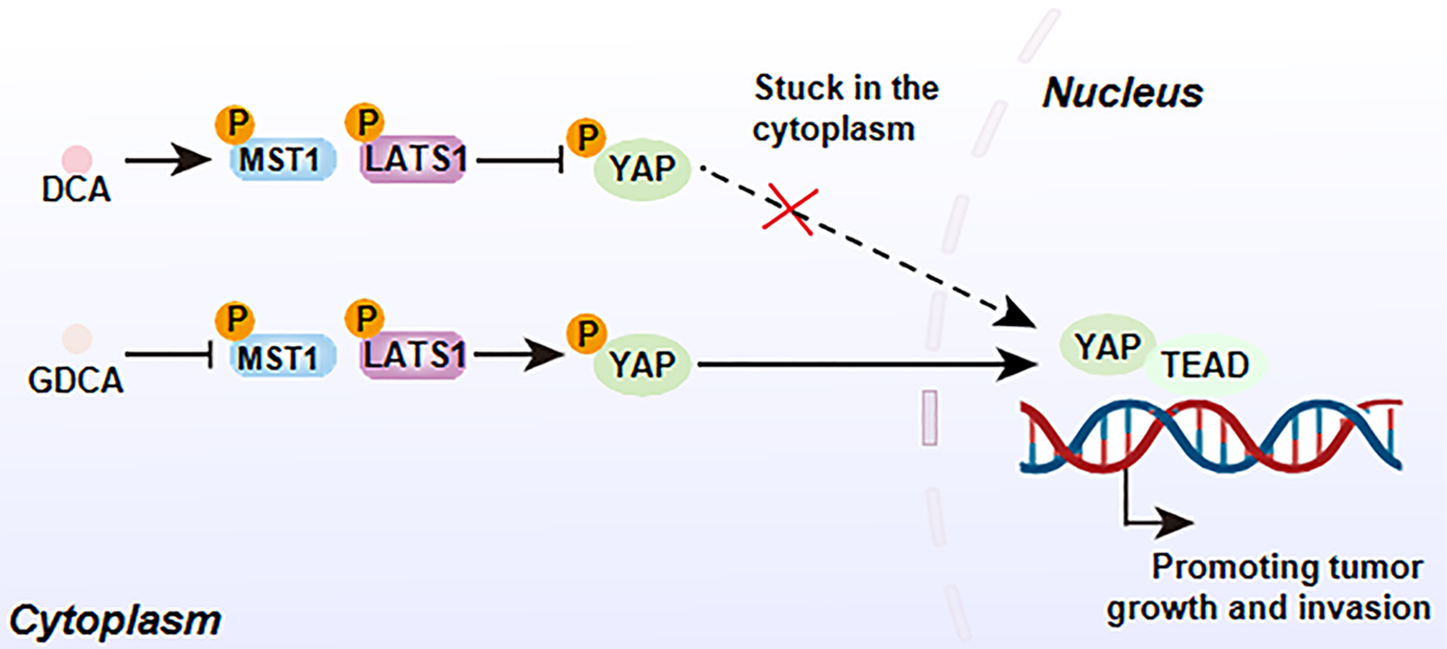
Figure 1 Glycodeoxycholic acid and deoxycholic acid exert opposing effects on yes-associated protein activation via the mammalian STE20-like protein kinase 1/large tumor suppressor kinase 1 axis.
Glycodeoxycholic acid inhibits the phosphorylation of mammalian STE20-like protein kinase 1 and large tumor suppressor kinase 1, thereby promoting yes-associated protein phosphorylation and nuclear translocation, which subsequently activates the expression of genes associated with tumor migration and invasion. In contrast, deoxycholic acid exerts the opposite regulatory effect. GDCA: Glycodeoxycholic acid; DCA: Deoxycholic acid; MST1: Mammalian STE20-like protein kinase 1; LATS1: Large tumor suppressor kinase 1; YAP: Yes-associated protein; TEAD: Transcriptional enhanced associate domain.
- Citation: Wu KL, Guo D, Yang L, Li YQ, Wu YX, Zhou CF, Tang JF. Letter to the Editor: Bile acids in cholangiocarcinoma: Dual regulation via the hippo-yes-associated protein pathway and model limitations. World J Gastrointest Oncol 2026; 18(6): 116624
- URL: https://www.wjgnet.com/1948-5204/full/v18/i6/116624.htm
- DOI: https://dx.doi.org/10.4251/wjgo.v18.i6.116624