
















Copyright: ©Author(s) 2026.
World J Gastrointest Oncol. Apr 15, 2026; 18(4): 115511
Published online Apr 15, 2026. doi: 10.4251/wjgo.v18.i4.115511
Published online Apr 15, 2026. doi: 10.4251/wjgo.v18.i4.115511
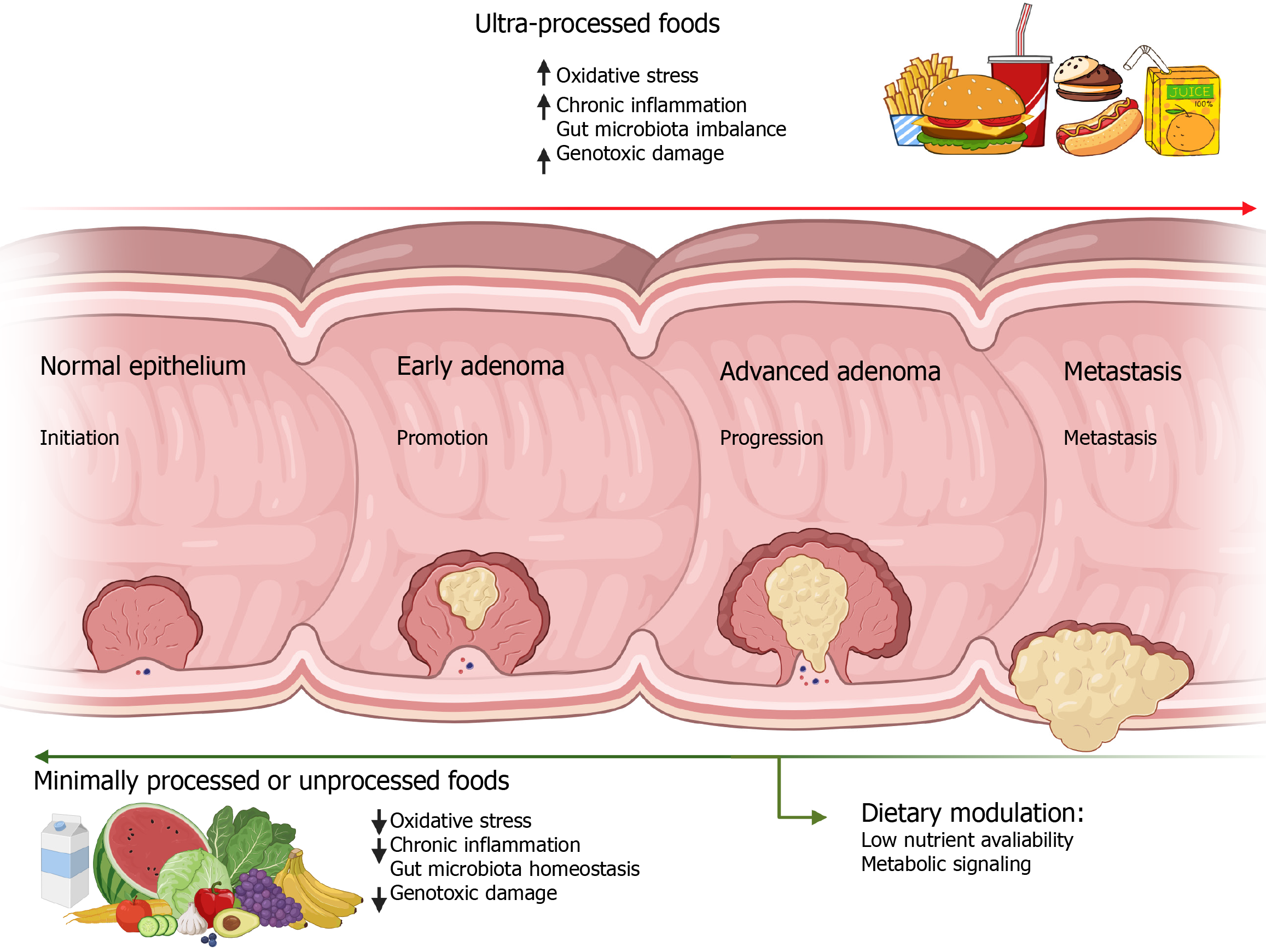
Figure 1 Diet as a bidirectional modulator of colorectal carcinogenesis and metabolic signaling.
Schematic representation of the adenoma-carcinoma sequence aligned with the biological stages of carcinogenesis. Ultra-processed food-rich dietary patterns may exacerbate oxidative stress, chronic inflammation, gut microbiota imbalance, and genotoxic damage, thereby promoting tumor initiation and progression. In contrast, minimally processed or unprocessed foods, as well as metabolically targeted dietary modulation, may support colorectal health by reducing these processes through limited nutrient availability and altered metabolic signaling, potentially influencing colorectal cancer development across different stages and molecular contexts. Created in BioRender (Supplementary material).
- Citation: Lima RSP, Sousa JDS, Neres MSO, de Sousa DJM, Martins JA, Pereira IC, da Silva ACA, Severo JS, Torres-Leal FL, da Silva MTB. Colorectal cancer therapy and nutrition: From ultra-processed consumption to metabolic reprogramming. World J Gastrointest Oncol 2026; 18(4): 115511
- URL: https://www.wjgnet.com/1948-5204/full/v18/i4/115511.htm
- DOI: https://dx.doi.org/10.4251/wjgo.v18.i4.115511