
















Copyright: ©Author(s) 2026.
World J Gastrointest Oncol. Mar 15, 2026; 18(3): 115722
Published online Mar 15, 2026. doi: 10.4251/wjgo.v18.i3.115722
Published online Mar 15, 2026. doi: 10.4251/wjgo.v18.i3.115722
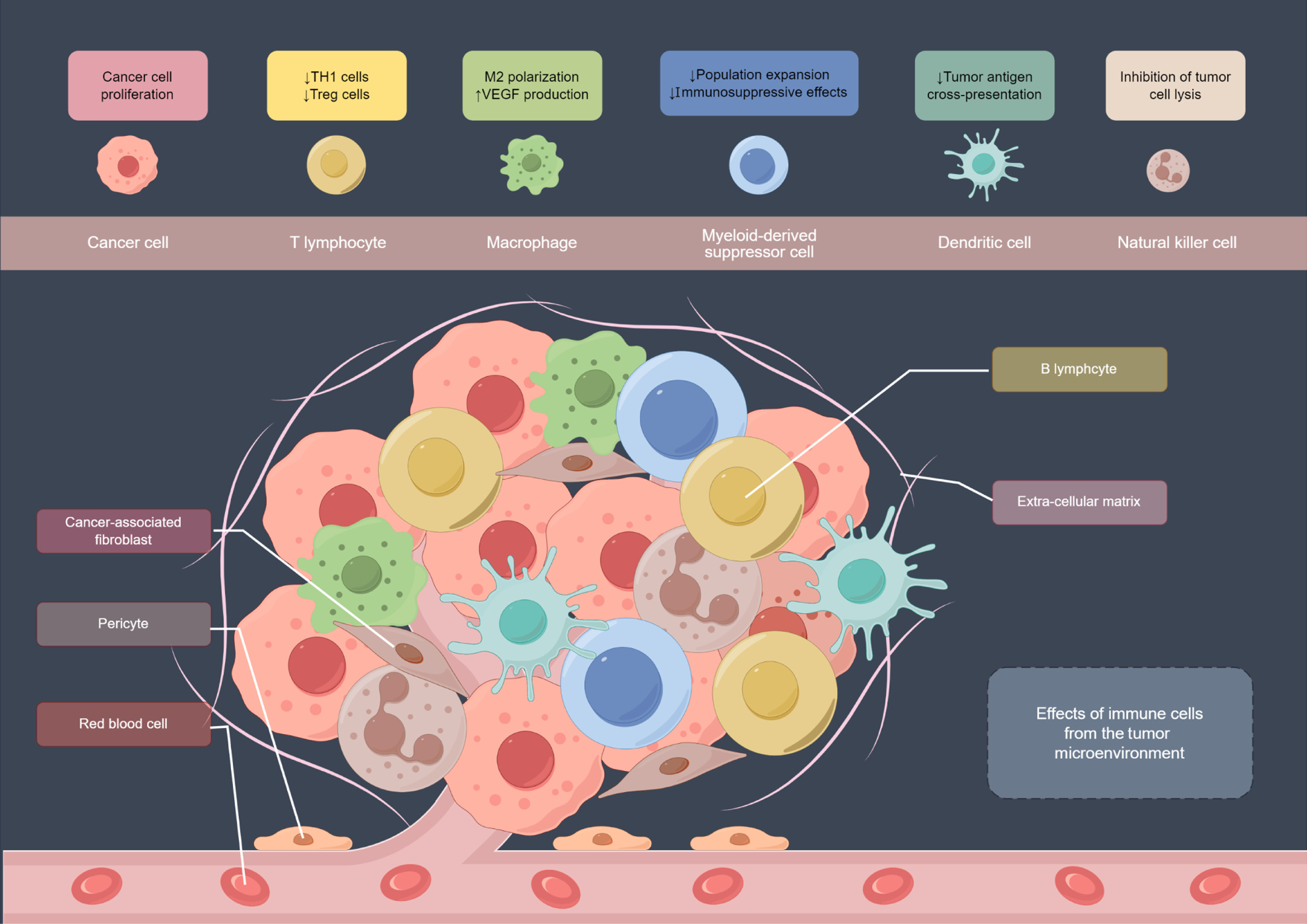
Figure 2 The effects of immune cells from the tumor microenvironment.
Different types of immune cells have various effects on the tumor microenvironment: CD4+ T cells can differentiate into different subsets, such as Th1 cells, which release interferons and activate other immune cells to enhance anti-tumor immune responses. However, Tregs common in the tumor microenvironment can suppress immune responses, contributing to immune evasion by the tumor. Macrophages have the ability to engulf tumor cells, release inflammatory factors, recruit other immune cells, clear tumor cell debris, and promote anti-tumor immune responses. However, in certain cases, tumors can activate macrophages to produce inhibitory factors, thereby suppressing their anti-tumor effects. myeloid-derived suppressor cells are a type of immunosuppressive cells that inhibit T cell activity in the tumor microenvironment, suppressing immune responses. They hinder the function of immune cells by releasing inhibitory molecules like NO and H2O2, aiding in immune evasion by the tumor. Dendritic cells are antigen-presenting cells that can recognize tumor antigens and present them to T cells, activating T cell immune responses. The presence of dendritic cells can enhance anti-tumor immune effects, but certain factors in the tumor microenvironment may inhibit dendritic cell function. Natural killer (NK) cells can rapidly recognize and kill tumor cells without the need for prior immune memory. They induce tumor cell apoptosis by releasing perforin and other cytotoxic substances. The activity of NK cells may sometimes be suppressed in the tumor microenvironment. This Figure was drawn by Figdraw (Supplementary material).
- Citation: Luan WY, Zhang SP, Xu KZ, Shang YH, Hu WJ, Sun H, Miao YD. Microbiota-driven immunometabolic regulation in colorectal cancer: Mechanisms and therapeutic opportunities. World J Gastrointest Oncol 2026; 18(3): 115722
- URL: https://www.wjgnet.com/1948-5204/full/v18/i3/115722.htm
- DOI: https://dx.doi.org/10.4251/wjgo.v18.i3.115722