
















Copyright: ©Author(s) 2026.
World J Gastrointest Oncol. Mar 15, 2026; 18(3): 115722
Published online Mar 15, 2026. doi: 10.4251/wjgo.v18.i3.115722
Published online Mar 15, 2026. doi: 10.4251/wjgo.v18.i3.115722
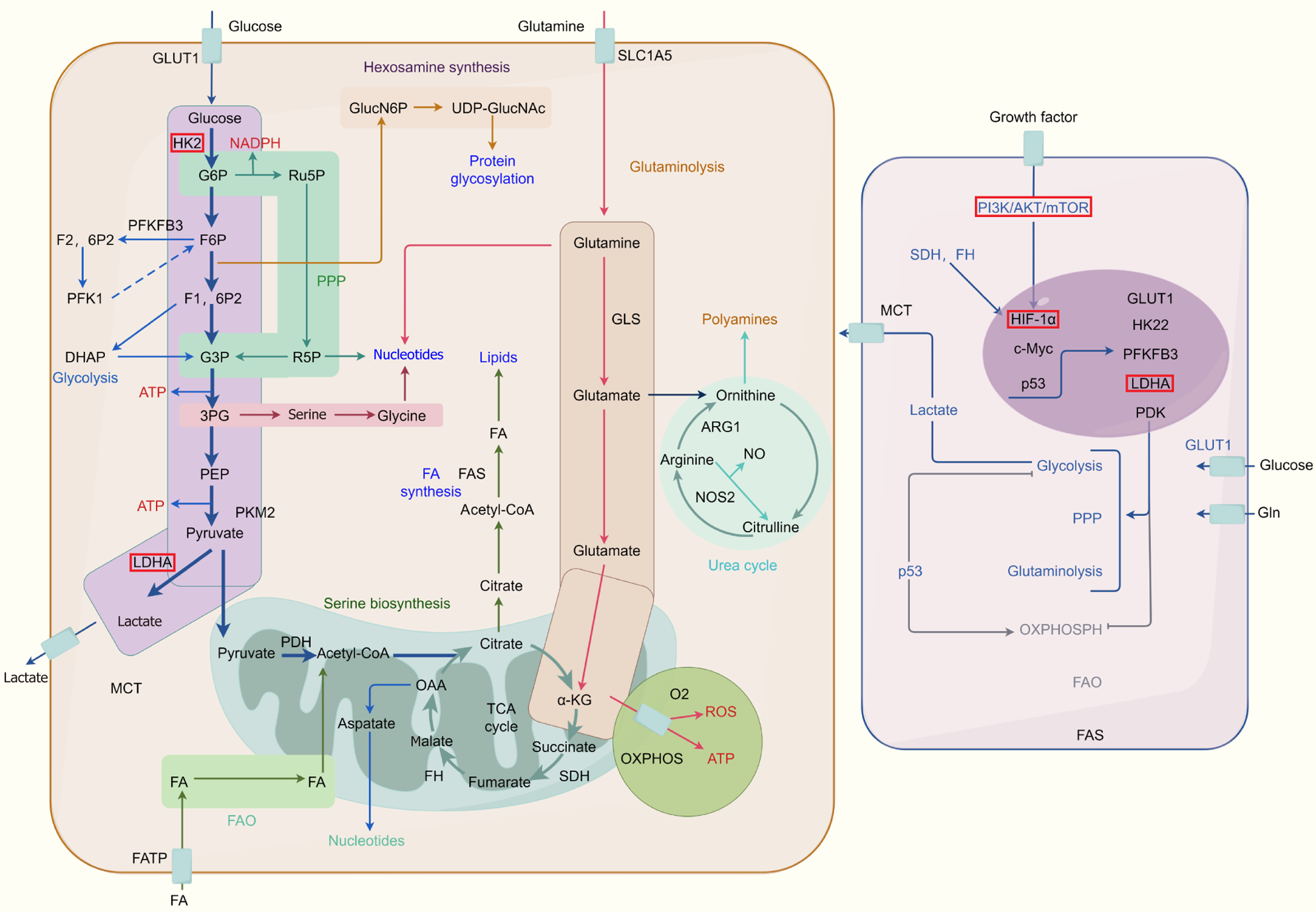
Figure 1 Metabolic reprogramming in cancer cells.
The metabolic reprogramming mechanism in cancer cells involves a series of changes in core molecules and metabolic pathways aimed at meeting their energy, nutrient, and biosynthetic material demands for rapid growth and uncontrolled proliferation. Warburg effect is a hallmark of metabolic reprogramming in cancer cells. While normal cells primarily produce energy through oxidative phosphorylation, cancer cells tend to ferment glucose into lactic acid, even in the presence of oxygen. This process allows cancer cells to generate fewer ATP but provides more biosynthetic materials needed for growth and division. Glucose metabolism: Cancer cells significantly increase their uptake and metabolism of glucose to meet their high energy demands. This includes glycolytic pathways where glucose is broken down into pyruvate and lactic acid, producing a small amount of ATP. Core molecules involved in this process include the regulation of PFK-1 and the regulation of the pentose phosphate pathway. When cancer cells are exposed to low oxygen conditions, HIF-1α protein is activated, prompting cells to use lactic acid fermentation for metabolism to enhance their survival and growth. HIF-1α activation also leads to the upregulation of glucose metabolism genes such as GLUT1 and lactate dehydrogenase. AMPK activated when energy supply is insufficient. AMPK inhibits cell growth and promotes energy production by inhibiting mTORC1, slowing down protein synthesis, and promoting glucose uptake and oxidation to restore energy balance. PI3K/Akt/mTOR pathway plays a crucial role in the metabolic reprogramming of cancer cells. Activation of Akt promotes highly enhanced glycolysis, while mTOR regulates cell growth and metabolism. p53 is a suppressive protein that regulates the cell cycle and metabolism. In some cases, the loss of p53 in cancer cells leads to metabolic reprogramming, including increased glycolysis and glucose uptake. Lipid metabolism-related core molecules include lipid synthesis enzymes such as fatty acid synthase and enzymes related to lipid breakdown. Cancer cells tend to increase lipid synthesis to meet their membrane component requirements. Cancer cells often exhibit alterations in amino acid uptake and metabolism. Core molecules include mTORC1 and GCN2, which play important roles in amino acid synthesis and metabolism. Serine metabolism-related molecules including serine synthesis enzymes and pyruvate kinase, are involved in serine metabolism, providing essential metabolic products for growth and biosynthesis. This Figure was drawn by Figdraw (Supplementary material). MCT: Monocarboxylate transporter; FA: Fatty acid; FAS: Fatty acid synthase; FATP: Fatty acid transport protein; TCA: Tricarboxylic acid; ROS: Reactive oxygen species; OXPHOS: Oxidative phosphorylation; SOD: Superoxide dismutase; SDH: Succinate dehydrogenase; FH: Fumarate hydratase; FAO: Fatty acid oxidation; OAA: Oxaloacetate.
- Citation: Luan WY, Zhang SP, Xu KZ, Shang YH, Hu WJ, Sun H, Miao YD. Microbiota-driven immunometabolic regulation in colorectal cancer: Mechanisms and therapeutic opportunities. World J Gastrointest Oncol 2026; 18(3): 115722
- URL: https://www.wjgnet.com/1948-5204/full/v18/i3/115722.htm
- DOI: https://dx.doi.org/10.4251/wjgo.v18.i3.115722