
















Copyright: ©Author(s) 2026.
World J Gastrointest Oncol. Mar 15, 2026; 18(3): 113757
Published online Mar 15, 2026. doi: 10.4251/wjgo.v18.i3.113757
Published online Mar 15, 2026. doi: 10.4251/wjgo.v18.i3.113757
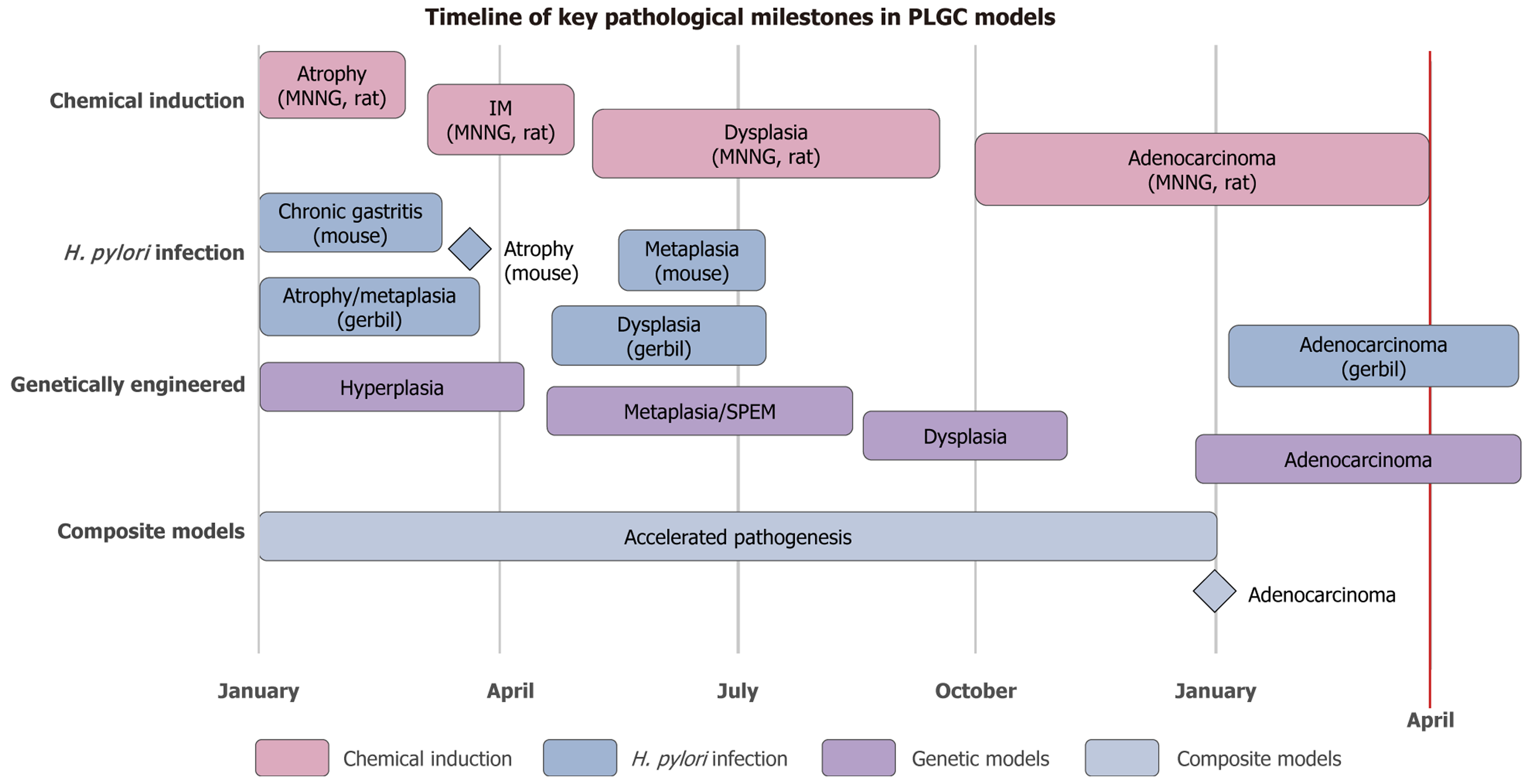
Figure 6 Integrates data from multiple studies to show approximate timeframes for the development of key stages of the Correa cascade.
Model systems are grouped by primary induction method. Note that the exact timing can vary based on specific protocol, species, strain, and dose. Temporal scale: Chemical induction (N-methyl-N’-nitro-N-nitrosoguanidine/N-Nitroso-N-methylurea) offers a relatively predictable and accelerated timeline for carcinogenesis, especially in rats. Natural history: Helicobacter pylori (H. pylori) infection models, particularly in Mongolian gerbils, best recapitulate the natural, multi-stage progression of human gastric carcinogenesis but require significantly longer experiments. Acceleration: Composite models (e.g., H. pylori + N-Nitroso-N-methylurea) and genetically engineered models (e.g., insulin-gastrin mice) can dramatically accelerate the development of advanced lesions and cancer. Model selection: This visual aid helps researchers align their experimental timeframe with their chosen model. For instance, a 6-month study might be sufficient to observe metaplasia in a composite model but would only capture early-stage gastritis in a standard H. pylori infection model in mice. MNNG: N-methyl-N’-nitro-N-nitrosoguanidine; IM: Intestinal metaplasia; H. pylori: Helicobacter pylori; SPEM: Spasmolytic polypeptide-expressing metaplasia.
- Citation: Zhou LJ, Hao XY, Wang C, Ren NN, Wang YG. Comprehensive modeling of the Correa cascade in precancerous lesions of gastric cancer: Leveraging animal, cellular, and organoid systems for translational insights. World J Gastrointest Oncol 2026; 18(3): 113757
- URL: https://www.wjgnet.com/1948-5204/full/v18/i3/113757.htm
- DOI: https://dx.doi.org/10.4251/wjgo.v18.i3.113757