
















©The Author(s) 2026.
World J Gastrointest Oncol. Feb 15, 2026; 18(2): 115974
Published online Feb 15, 2026. doi: 10.4251/wjgo.v18.i2.115974
Published online Feb 15, 2026. doi: 10.4251/wjgo.v18.i2.115974
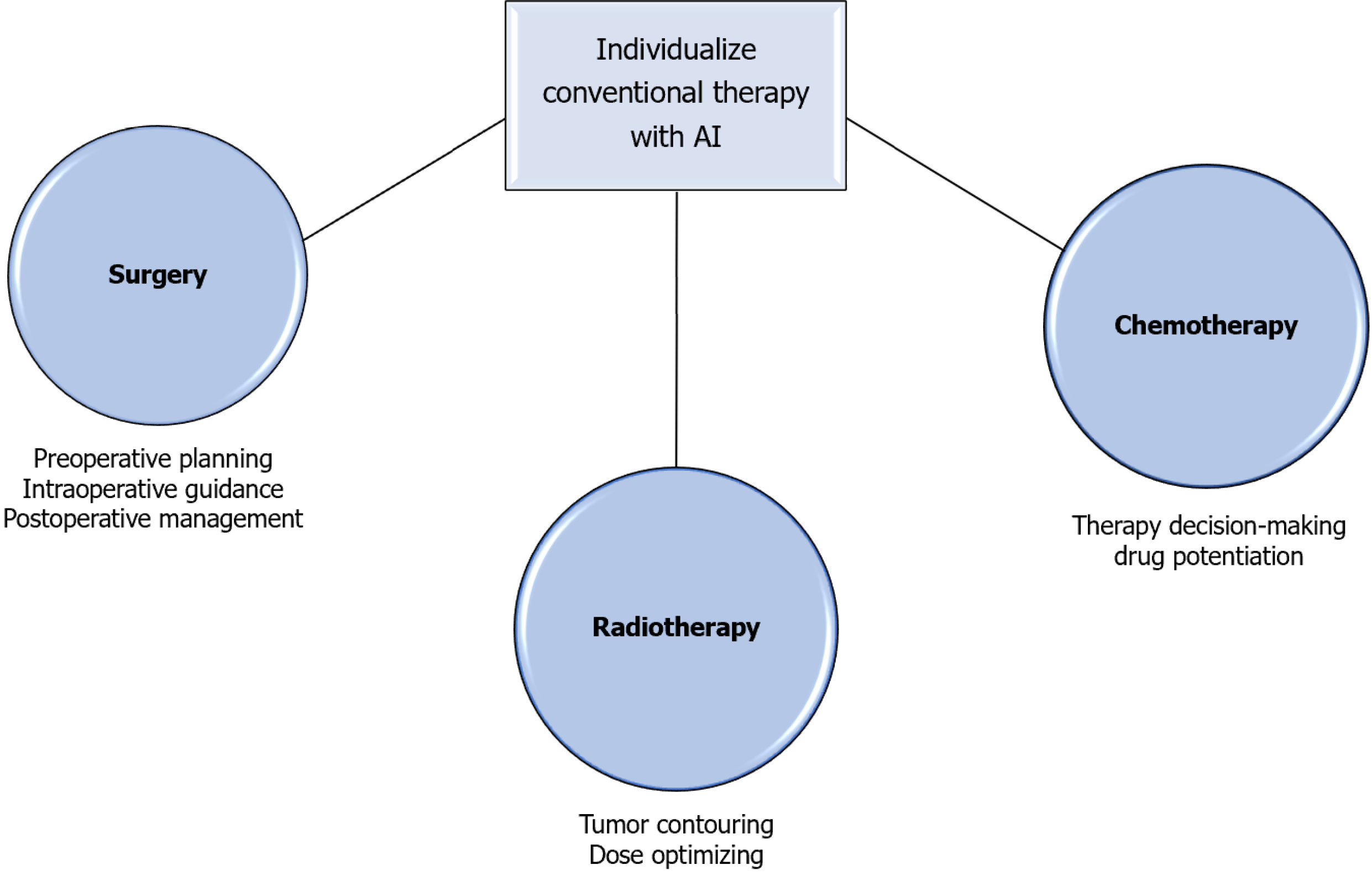
Figure 4 Individualizing conventional cancer therapies with artificial intelligence.
The central artificial intelligence component symbolizes its function in driving precision for all three core treatment pillars. Artificial intelligence (AI) is applied to: Surgery, which utilizes AI for enhanced preoperative planning, intraoperative guidance (e.g., workflow analysis and safety), and postoperative management; radiotherapy, which benefits from AI in optimizing tumor contouring and dose delivery; and chemotherapy, which leverages AI for refined therapy decision-making (e.g., predicting response/mutations like BRAF/KRAS) and drug potentiation. This integration maximizes therapeutic effectiveness within precision medicine, enhancing patient outcomes while minimizing side effects. AI: Artificial intelligence.
- Citation: Sehgal T, Joshi T, Chowdhary R, Goyal O, Kalra S, Goyal R, Taranikanti V, Vuthaluru AR, Goyal MK. Deep learning in lower gastrointestinal cancer detection: Advances in endoscopic, radiologic, and histopathologic diagnostics. World J Gastrointest Oncol 2026; 18(2): 115974
- URL: https://www.wjgnet.com/1948-5204/full/v18/i2/115974.htm
- DOI: https://dx.doi.org/10.4251/wjgo.v18.i2.115974