
















©The Author(s) 2026.
World J Gastrointest Oncol. Feb 15, 2026; 18(2): 113995
Published online Feb 15, 2026. doi: 10.4251/wjgo.v18.i2.113995
Published online Feb 15, 2026. doi: 10.4251/wjgo.v18.i2.113995
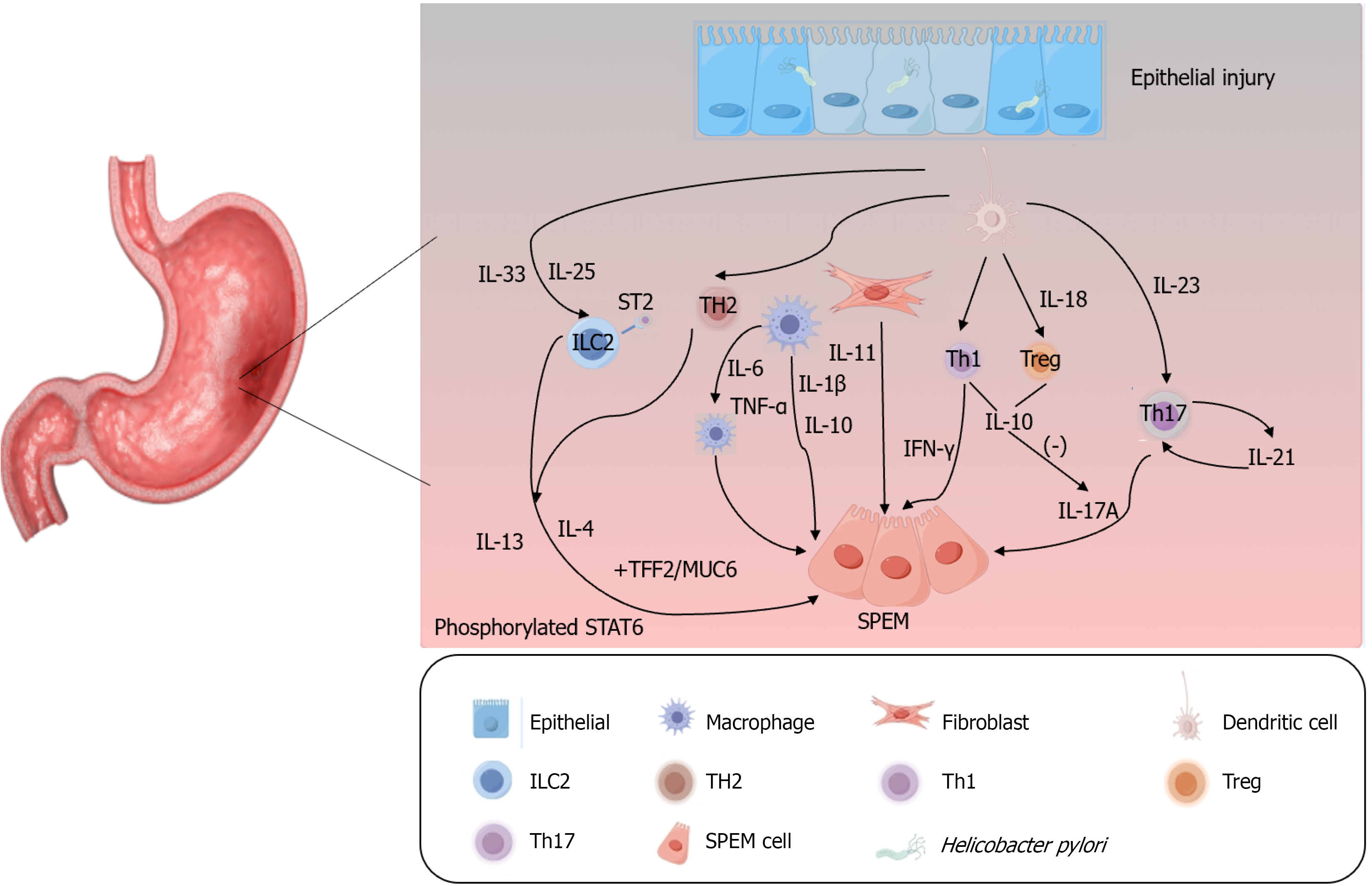
Figure 2 Cytokine-mediated induction of spasmolytic polypeptide-expressing metaplasia.
Helicobacter pylori infection triggers a host immune response that can mimic autoimmunity, resulting in antigen-specific tissue damage. Following damage, interleukin (IL)-33 and IL-25 are released as early alarm signals, leading to the activation of various immune cells, including macrophages and T helper 1 (Th1), Th2, and Th17 cells. These activated cells secrete a combination of pro- and anti-inflammatory factors, collectively establishing a chronic inflammatory microenvironment conducive to metaplasia. Specifically, interleukin (IL)-33 (and, to a lesser extent, IL-25) binds to the ST2 receptor on type 2 innate lymphoid cells, prompting the secretion of type 2 cytokines such as IL-4 and IL-13. IL-13 and IL-4 then signal through the signal transducer and activator of transcription 6 pathway in gastric epithelial cells, promoting the expression of mucous cell markers, including trefoil factor 2 and mucin 6. This process ultimately facilitated the maturation and proliferation of spasmolytic polypeptide-expressing metaplasia cells. IL: Interleukin; ILC2s: Type 2 innate lymphoid cells; TFF2: Trefoil factor 2; MUC6: Mucin 6; STAT6: Signal transducer and activator of transcription 6; TNF: Tumor necrosis factor; IFN: Interferon; SPEM: Spasmolytic polypeptide-expressing metaplasia; TH2: T helper 2; Th1: T helper 1; Treg: Regulatory T.
- Citation: Yang RR, Yan YR, Li YF. Recent advances in spasmolytic polypeptide expressing metaplasia research. World J Gastrointest Oncol 2026; 18(2): 113995
- URL: https://www.wjgnet.com/1948-5204/full/v18/i2/113995.htm
- DOI: https://dx.doi.org/10.4251/wjgo.v18.i2.113995