
















Copyright: ©Author(s) 2026.
World J Gastrointest Oncol. Dec 15, 2026; 18(12): 126440
Published online Dec 15, 2026. doi: 10.4251/wjgo.126440
Published online Dec 15, 2026. doi: 10.4251/wjgo.126440
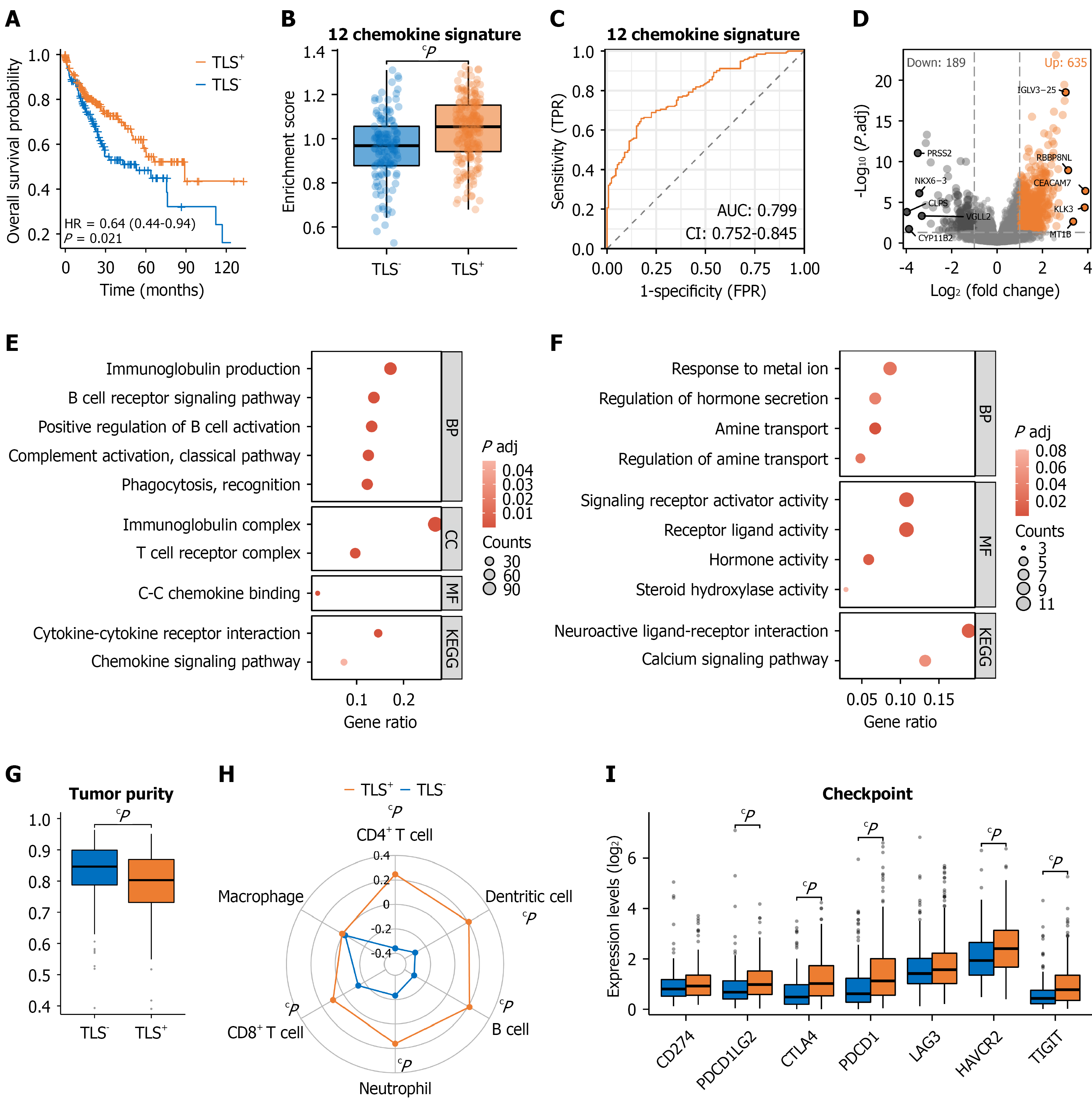
Figure 8 Tertiary-lymphoid structure-associated chemokine programs correspond to histologically defined tertiary lymphoid structures and immune-active tumor states.
A: Overall survival differences between the tertiary lymphoid structure (TLS) group determined by hematoxylin and eosin stains; B: The 12-chemokine signature expression between TLS+ and TLS- patients; C: Receiver operating characteristic analysis distinguishing TLS status; D: Volcano plot of differentially expressed genes in TLS+ and TLS- patients in The Cancer Genome Atlas (TCGA) cohort; E: Gene Ontology (GO) in biological process, cellular component, and molecular function terms and Kyoto Encyclopedia of Genes and Genomes (KEGG) pathways enrichment of upregulated genes; F: GO and KEGG enrichment result of the downregulated genes; G: The difference in tumor purity between TLS groups; H: The difference in immune infiltration proportions between the TLS group samples in TCGA; I: Expression of immune checkpoints based on TLS group samples. cP < 0.001. TLS: Tertiary lymphoid structure; HR: Hazard ratio; AUC: Areas under the curve; KEGG: Kyoto Encyclopedia of Genes and Genomes; TPR: True positive rate; FPR: False positive rate.
- Citation: Chen K, Wang YQ, Guo MC, Gu XY, Chen XM, Luo SS, Liu S. Tertiary lymphoid structure-associated chemokine programs define an immune-organized tumor microenvironment with prognostic relevance in hepatocellular carcinoma. World J Gastrointest Oncol 2026; 18(12): 126440
- URL: https://www.wjgnet.com/1948-5204/full/v18/i12/126440.htm
- DOI: https://dx.doi.org/10.4251/wjgo.126440