
















Copyright: ©Author(s) 2026.
World J Gastrointest Oncol. Dec 15, 2026; 18(12): 123488
Published online Dec 15, 2026. doi: 10.4251/wjgo.123488
Published online Dec 15, 2026. doi: 10.4251/wjgo.123488
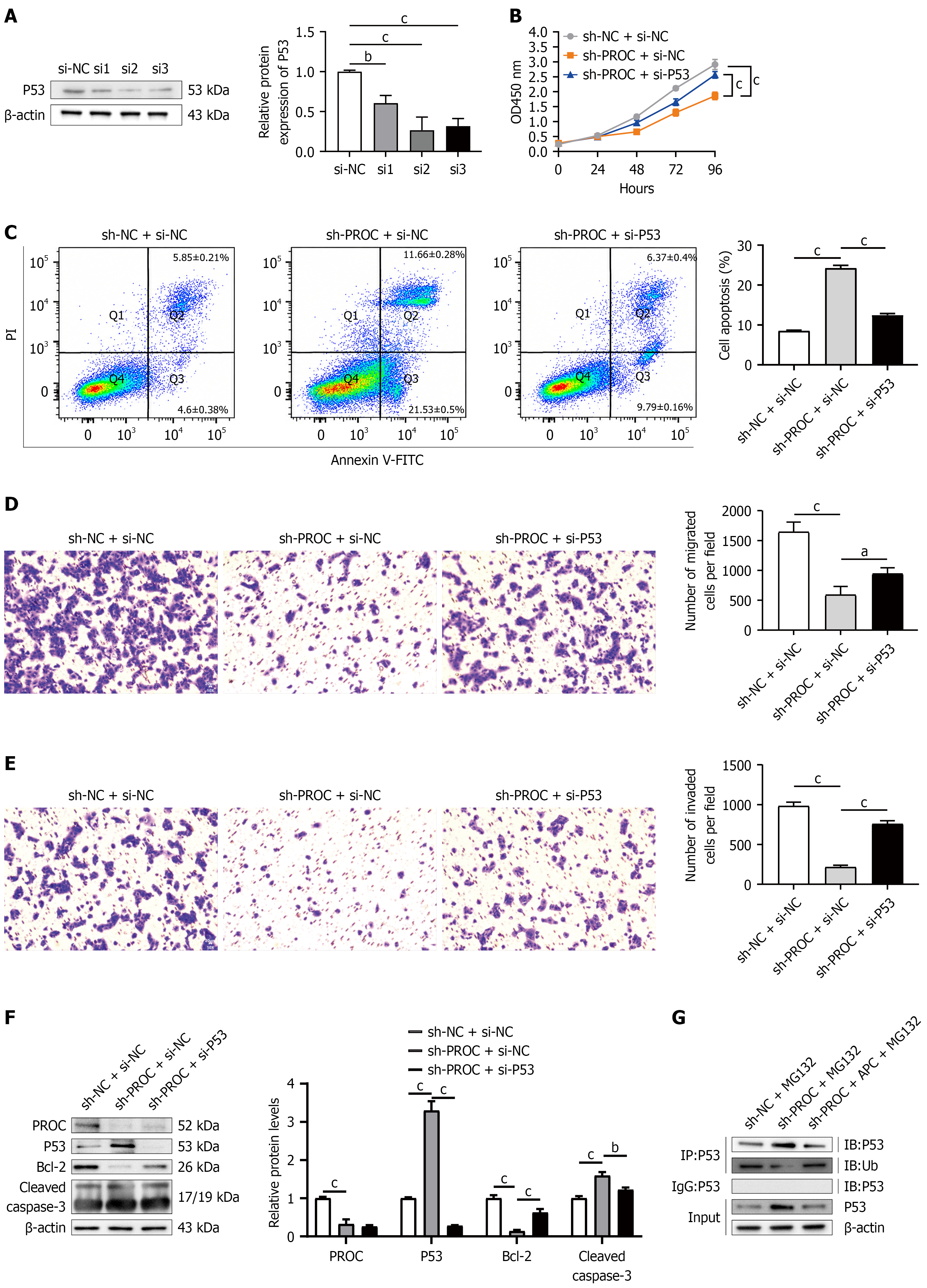
Figure 8 p53 knockdown reverses protein C silencing-induced phenotypes.
A: Validation of p53 knockdown efficiency by western blotting using three independent small interfering RNAs targeting TP53 (si-p53-1, si-p53-2, si-p53-3); B: Cell counting kit-8 proliferation assay; C: Annexin V/propidium iodide apoptosis assay; D: Transwell migration assay; E: Transwell invasion assay; F: Representative western blot images and quantitative analysis of protein C, p53, Bcl-2, cleaved caspase-3, and β-actin; G: P53 was immunoprecipitated from cell lysates, and ubiquitinated p53 was detected by immunoblotting with anti-ubiquitin antibody. Data are presented as mean ± SD. aP < 0.05. bP < 0.01. cP < 0.001. si-NC: Negative control small interfering RNA; si1: Small interfering RNA targeting TP53; si2: Small interfering RNA targeting TP53; si3: Small interfering RNA targeting TP53; OD: Optical density; sh-PROC: Short hairpin RNA that targets protein C; sh-NC: Short hairpin RNA non-targeting scrambled control; si-P53: Small interfering RNA targeting TP53; FITC: Fluorescein isothiocyanate; PI: Propidium iodide; IP: Immunoprecipitated; IB: Immunoblotting; IgG: Immunoglobulin G.
- Citation: Wang L, Fang TY, Gao JL, Wang YF, Li HW, Xue YW. Up-regulation of protein C contributes to the progression of gastric cancer by modulating the MDM2/p53 axis. World J Gastrointest Oncol 2026; 18(12): 123488
- URL: https://www.wjgnet.com/1948-5204/full/v18/i12/123488.htm
- DOI: https://dx.doi.org/10.4251/wjgo.123488