
















Copyright: ©Author(s) 2026.
World J Gastrointest Oncol. Nov 15, 2026; 18(11): 121010
Published online Nov 15, 2026. doi: 10.4251/wjgo.121010
Published online Nov 15, 2026. doi: 10.4251/wjgo.121010
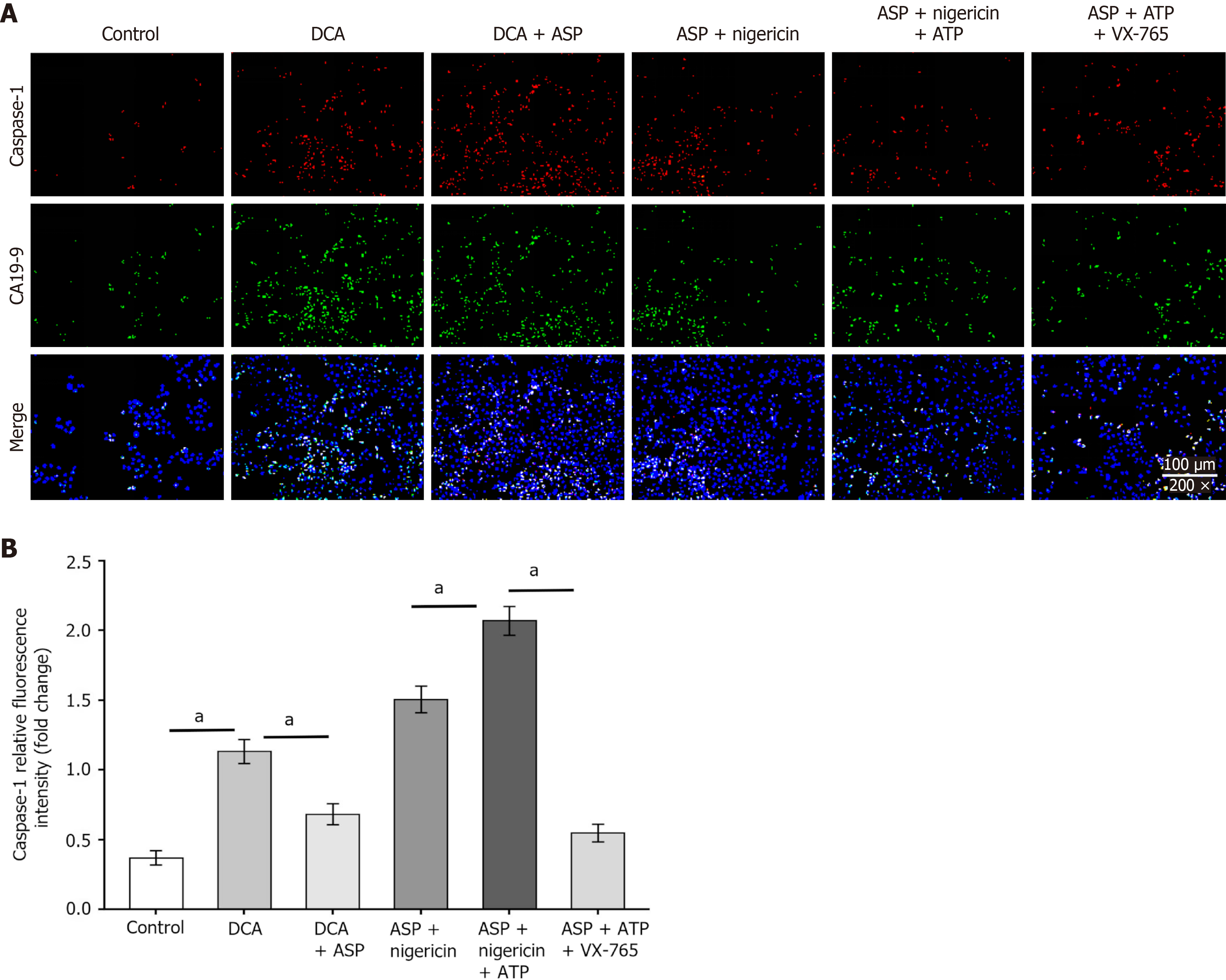
Figure 6 Combined pathway modulation confirms the NOD-like receptor protein 3/caspase-1/interleukin-1β axis as the target of Angelica sinensis polysaccharide.
A: Representative immunofluorescence images showing CK20 (green), cleaved caspase-1 p20 (red), DAPI (blue), and merged images in control, deoxycholic acid, deoxycholic acid + Angelica sinensis polysaccharide (ASP), ASP + nigericin, ASP + nigericin + adenosine 5′-triphosphate disodium salt, and ASP + nigericin + VX-765 groups; B: Quantification of cleaved caspase-1 relative fluorescence intensity. aP < 0.05. DCA: Deoxycholic acid; ASP: Angelica sinensis polysaccharide; ATP: Adenosine 5′-triphosphate disodium salt; CA19-9: Carbohydrate antigen 19-9.
- Citation: Huang X, Liu WCN, Li DX. Angelica sinensis polysaccharide attenuates constipation-associated colorectal carcinogenesis by inhibiting the NLRP3/Caspase-1/IL-1β inflammasome axis. World J Gastrointest Oncol 2026; 18(11): 121010
- URL: https://www.wjgnet.com/1948-5204/full/v18/i11/121010.htm
- DOI: https://dx.doi.org/10.4251/wjgo.121010