
















Copyright: ©Author(s) 2026.
World J Gastrointest Oncol. Oct 15, 2026; 18(10): 123261
Published online Oct 15, 2026. doi: 10.4251/wjgo.123261
Published online Oct 15, 2026. doi: 10.4251/wjgo.123261
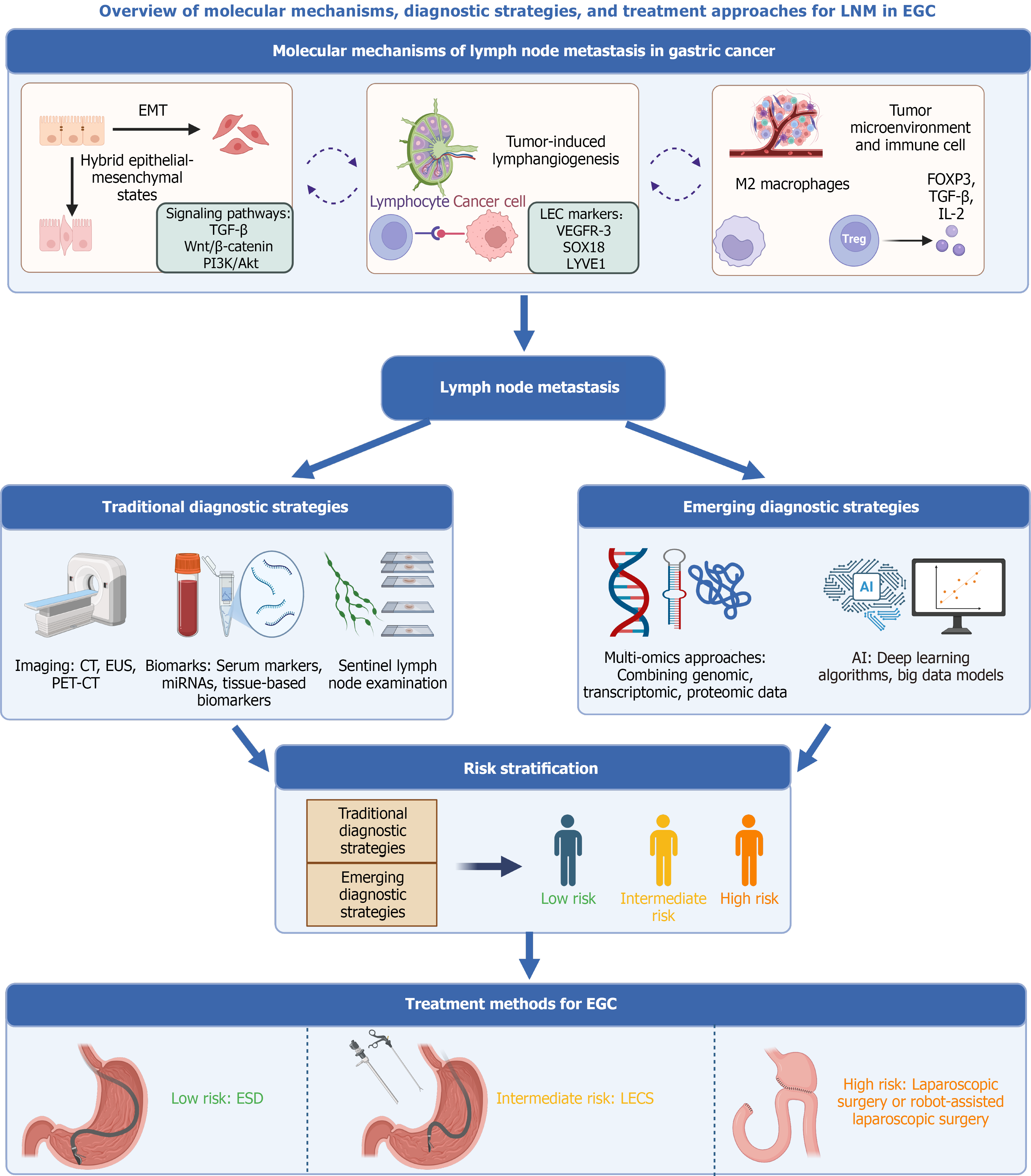
Figure 1 Overview of lymph node metastasis in early gastric cancer.
Lymph node metastasis is driven by the interaction of epithelial-mesenchymal transition, tumor-induced lymphangiogenesis, and immune regulation within the tumor microenvironment. Preoperative evaluation integrates imaging, sentinel lymph node assessment, biomarkers, and artificial intelligence models. This integrated assessment supports risk stratification and guides treatment selection, including endoscopic submucosal dissection, surgery, and laparoscopic and endoscopic cooperative surgery. LNM: Lymph node metastasis; EGC: Early gastric cancer; EMT: Epithelial-mesenchymal transition; TGF: Transforming growth factor; PI3K/Akt: Phosphatidylinositol 3’-kinase/protein kinase B; LEC: Lymphatic endothelial cells; VEGFR: Vascular endothelial growth factor receptor; IL: Interleukin; FOXP3: Forkhead box P3; Treg: Regulatory T cells; CT: Computed tomography; EUS: Endoscopic ultrasound; PET-CT: Positron emission tomography-computed tomography; miRNA: MicroRNA; AI: Artificial intelligence; ESD: Endoscopic submucosal dissection; LECS: Laparoscopic and endoscopic cooperative surgery.
- Citation: Xia MT, Zhou Q, Han H, Zhang D, Fan X. Lymph node metastasis in early gastric cancer: A review of risk stratification and surgical decision-making. World J Gastrointest Oncol 2026; 18(10): 123261
- URL: https://www.wjgnet.com/1948-5204/full/v18/i10/123261.htm
- DOI: https://dx.doi.org/10.4251/wjgo.123261