
















©The Author(s) 2025.
World J Gastrointest Oncol. Sep 15, 2025; 17(9): 108892
Published online Sep 15, 2025. doi: 10.4251/wjgo.v17.i9.108892
Published online Sep 15, 2025. doi: 10.4251/wjgo.v17.i9.108892
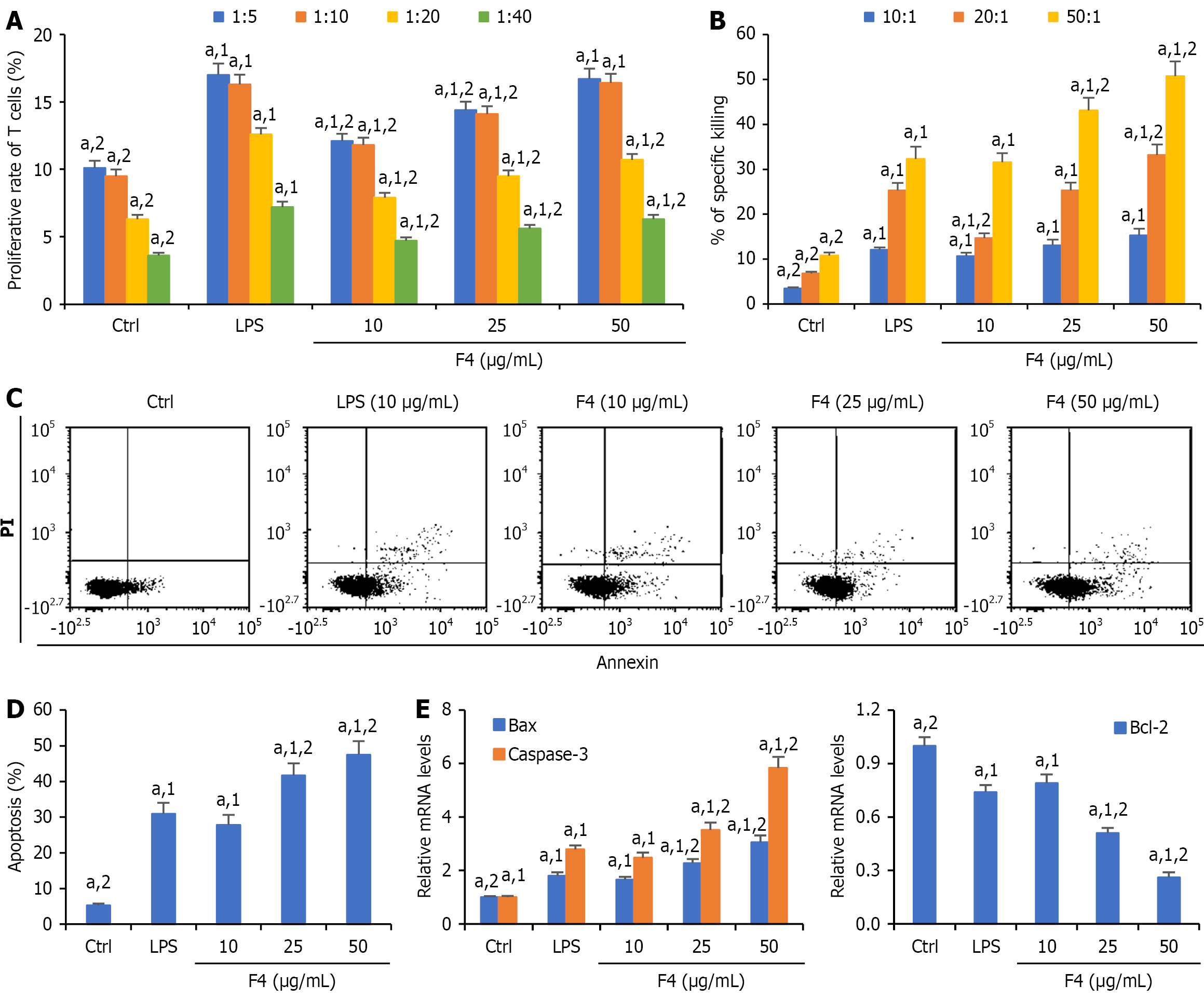
Figure 2 Dendritic cells cultured with F4 enhanced the cytotoxicity of cluster of differentiation 8 + T cells against CT26 cells.
A: Effects of F4-stimulated dendritic cells (DCs) on the proliferation of T cells; B: Cytotoxicity of tumor-specific cytotoxic T lymphocyte (CTL) responses against CT26 cells by F4-treated DCs; C and D: DC-stimulated cluster of differentiation 8 + T cells induced the apoptosis of CT26 cells; E: The relative levels of Bcl-2, Bax and caspase-3 message RNA in CTL-stimulated CT26 cells. All data were shown as mean ± SD (n = 5). aP < 0.05. 1P vs control group. 2P vs lipopolysaccharides group. Ctrl: Control; LPS: Lipopolysaccharides; PI: Propidium iodide.
- Citation: Xie W, Li XJ, Zhong YS, Fang J, Qi H, Yang M, Ying HZ, Yu CH. Ginsenoside F4 inhibits colorectal cancer progression by boosting dendritic cell maturation and remodeling the tumor microenvironment. World J Gastrointest Oncol 2025; 17(9): 108892
- URL: https://www.wjgnet.com/1948-5204/full/v17/i9/108892.htm
- DOI: https://dx.doi.org/10.4251/wjgo.v17.i9.108892