
















©The Author(s) 2025.
World J Gastrointest Oncol. Dec 15, 2025; 17(12): 112873
Published online Dec 15, 2025. doi: 10.4251/wjgo.v17.i12.112873
Published online Dec 15, 2025. doi: 10.4251/wjgo.v17.i12.112873
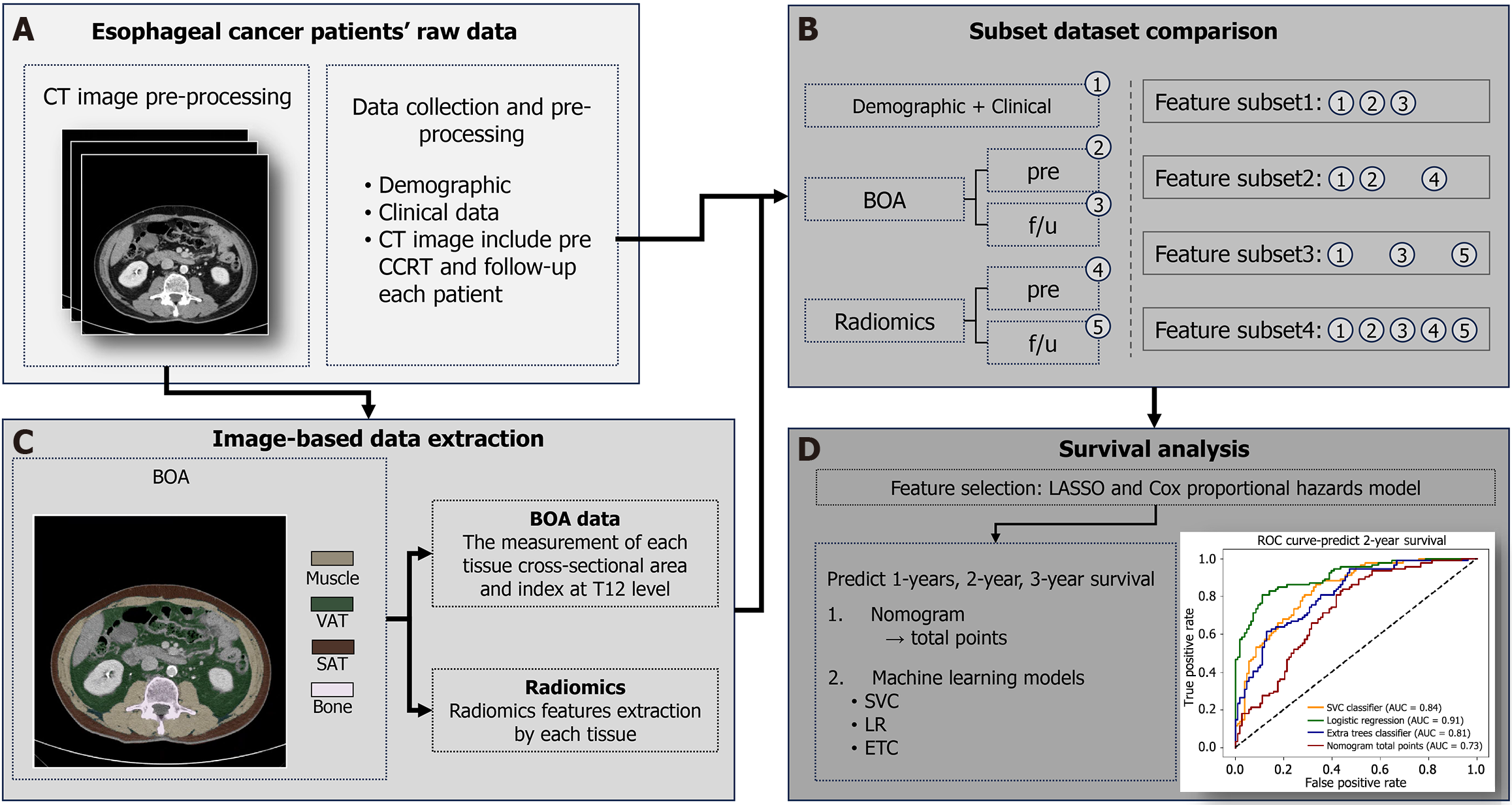
Figure 3 Study workflow and methodology.
The diagram illustrates the four-step process for predicting survival in esophageal cancer patients treated with concurrent chemoradiotherapy. A: This section shows the initial data collection, including demographic, clinical, and computed tomography (CT) imaging data. CT scans were acquired both before and after concurrent chemoradiotherapy, as well as during follow-up. An example of a transverse CT image is shown; B: This involves measuring the cross-sectional area and indices for muscle, visceral adipose tissue, and subcutaneous adipose tissue, along with radiomics features are extracted from each of the identified tissues; C: Four different combinations of features were used to create four distinct feature subsets for analysis. The features include demographic, clinical, body composition analysis, and radiomics data from both pretreatment (pre) and follow-up scans; D: This final step shows the methods used to predict patient survival. The least absolute shrinkage and selection operator and Cox proportional hazards models were used to select the most relevant features. Nomogram and three different machine learning models (support vector classification classifier, logistic regression, and the extra trees classifier) were used for predicting 1-, 2-, and 3-year survival. CT: Computed tomography; CCRT: Concurrent chemoradiotherapy; BOA: Body organ analysis; pre: Pretreatment; f/u: Follow-up; SAT: Subcutaneous adipose tissue; VAT: Visceral adipose tissue; LASSO: Least absolute shrinkage and selection operator; SVC: Support vector classification; LR: Logistic regression; ETC: Extra trees classifier; ROC: Receiver operating characteristic; AUC: Area under the time-dependent receiver operating characteristic curve.
- Citation: Liu MC, Cheng YY, Lin SC, Lin CH, Chuang CY, Chen WH, Liao CH, Hsieh CH, Hsieh MF, Liu YJ. Machine learning survival prediction in esophageal cancer using radiomics and body composition from pretreatment and follow-up T12-level computed tomography. World J Gastrointest Oncol 2025; 17(12): 112873
- URL: https://www.wjgnet.com/1948-5204/full/v17/i12/112873.htm
- DOI: https://dx.doi.org/10.4251/wjgo.v17.i12.112873