
















©The Author(s) 2025.
World J Gastrointest Oncol. Nov 15, 2025; 17(11): 111171
Published online Nov 15, 2025. doi: 10.4251/wjgo.v17.i11.111171
Published online Nov 15, 2025. doi: 10.4251/wjgo.v17.i11.111171
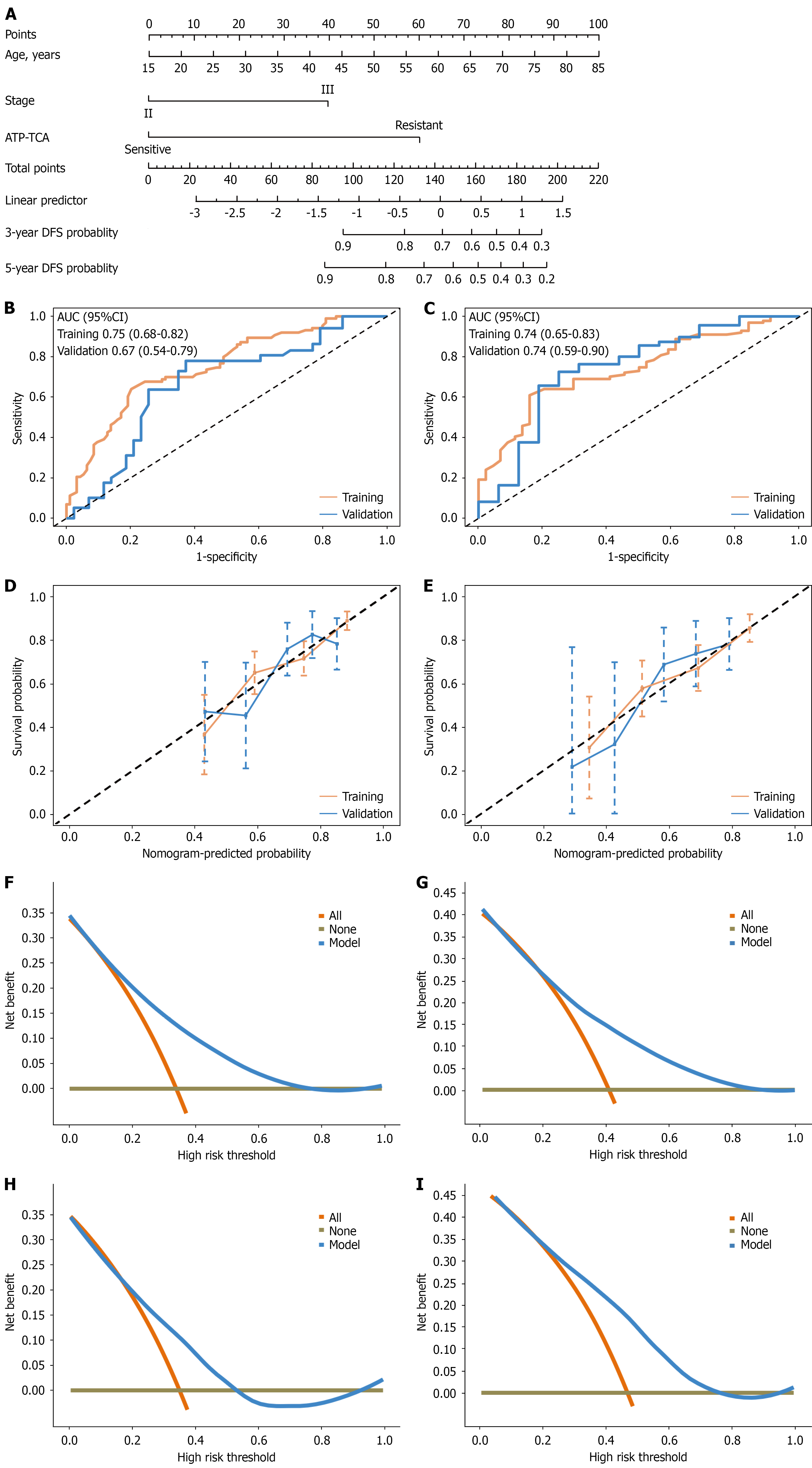
Figure 3 Clinical prediction model for disease-free survival in patients with colorectal cancer.
A: Nomogram of disease-free survival (DFS) outcomes; B: Receiver operating characteristic of the clinical prediction model for 3-year DFS; C: Receiver operating characteristic curve of the clinical prediction model for 5-year DFS; D: Calibration curve for the clinical prediction model for 3-year DFS outcomes; E: Calibration curve for the clinical prediction model for 5-year DFS outcomes; F: Decision curve analysis (DCA) of the clinical prediction model for 3-year DFS in the training set; G: DCA of the clinical prediction model for 5-year DFS in the training set; H: DCA of the clinical prediction model for 3-year DFS in the validation set; I: DCA of the clinical prediction model for 5-year DFS in the training set. ATP-TCA: Adenosine triphosphate-based tumour chemotherapy sensitivity test; DFS: Disease-free survival; AUC: Area under the curve; CI: Confidence interval.
- Citation: Li SJ, Lu YX, Zheng FY, Bian YC, Miao LY, Huang CR. Tumour chemotherapy sensitivity test may predict clinical outcomes in colorectal cancer patients receiving oxaliplatin and fluoropyrimidine-based regimens. World J Gastrointest Oncol 2025; 17(11): 111171
- URL: https://www.wjgnet.com/1948-5204/full/v17/i11/111171.htm
- DOI: https://dx.doi.org/10.4251/wjgo.v17.i11.111171