
















©The Author(s) 2025.
World J Gastrointest Oncol. Oct 15, 2025; 17(10): 109503
Published online Oct 15, 2025. doi: 10.4251/wjgo.v17.i10.109503
Published online Oct 15, 2025. doi: 10.4251/wjgo.v17.i10.109503
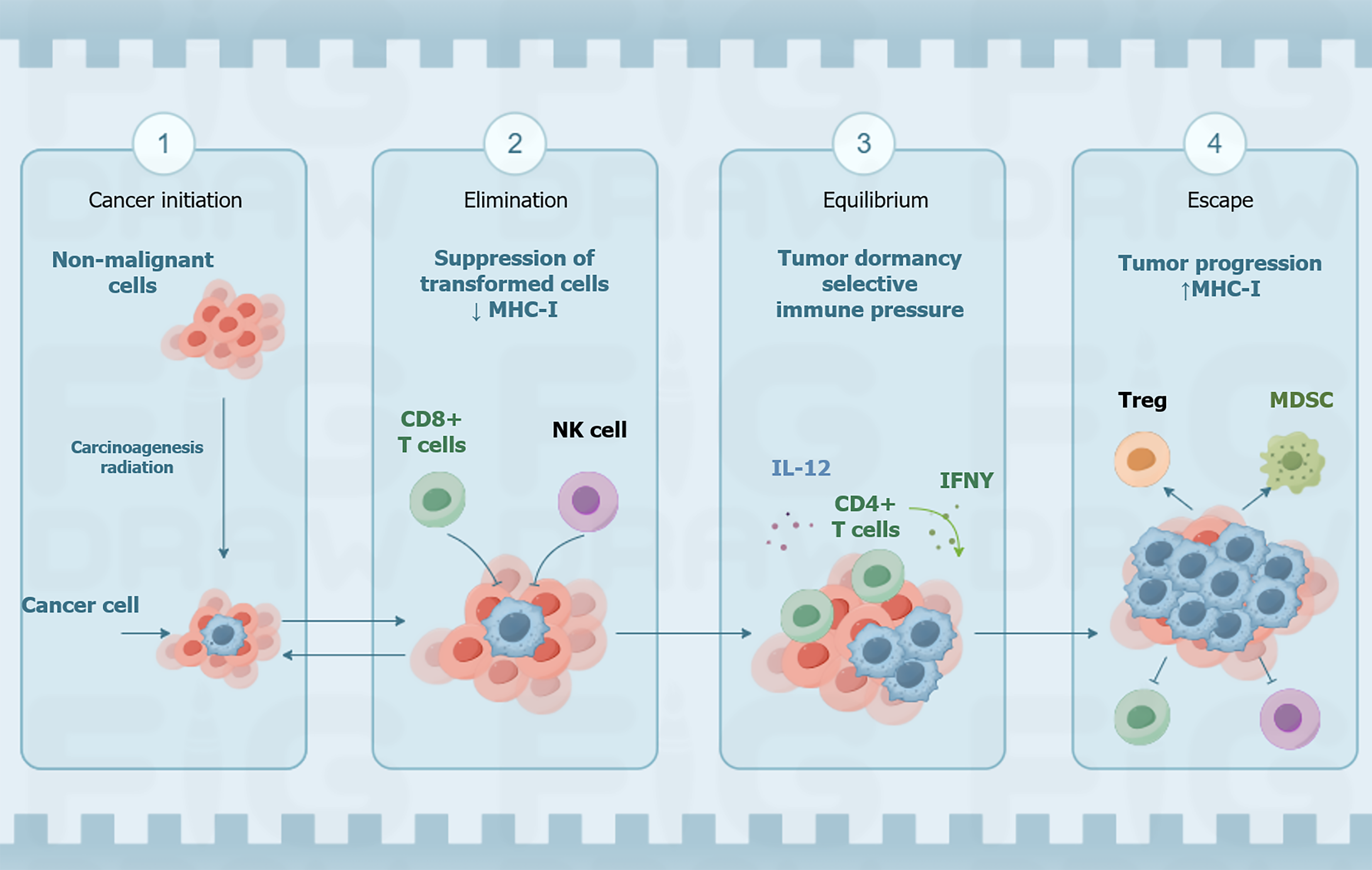
Figure 1 Mechanisms of immune evasion in colorectal cancer.
The immune evasion of colorectal cancer occurs in four stages: (1) Initiation: Normal cells undergo malignant transformation into cancer cells under the influence of carcinogenic factors; (2) Elimination: Immune cells, such as CD8+ T cells and natural killer cells, recognize and attack transformed cells with reduced major histocompatibility complex class I (MHC-I) expression; (3) Equilibrium: Tumor cells enter a dormant state, during which the immune system-mediated by CD4+ T cells, interleukin-12, and interferon-gamma-exerts selective pressure to control tumor growth; and (4) Escape: Cancer cells further downregulate MHC-I expression and exploit immunosuppressive cells such as regulatory T cells and myeloid-derived suppressor cells to promote tumor progression and achieve immune evasion. MHC-I: Major histocompatibility complex class I; IL-12: Interleukin-12; NK: Natural killer cells; Treg: Regulatory T cell; MDSCs: Myeloid-derived suppressor cells.
- Citation: Liu XX, Yang B, Tang DX. Bidirectional regulation of the gut microbiome-immune axis in the immune microenvironment of colorectal cancer and targeted interventions. World J Gastrointest Oncol 2025; 17(10): 109503
- URL: https://www.wjgnet.com/1948-5204/full/v17/i10/109503.htm
- DOI: https://dx.doi.org/10.4251/wjgo.v17.i10.109503