
















Copyright: ©Author(s) 2026.
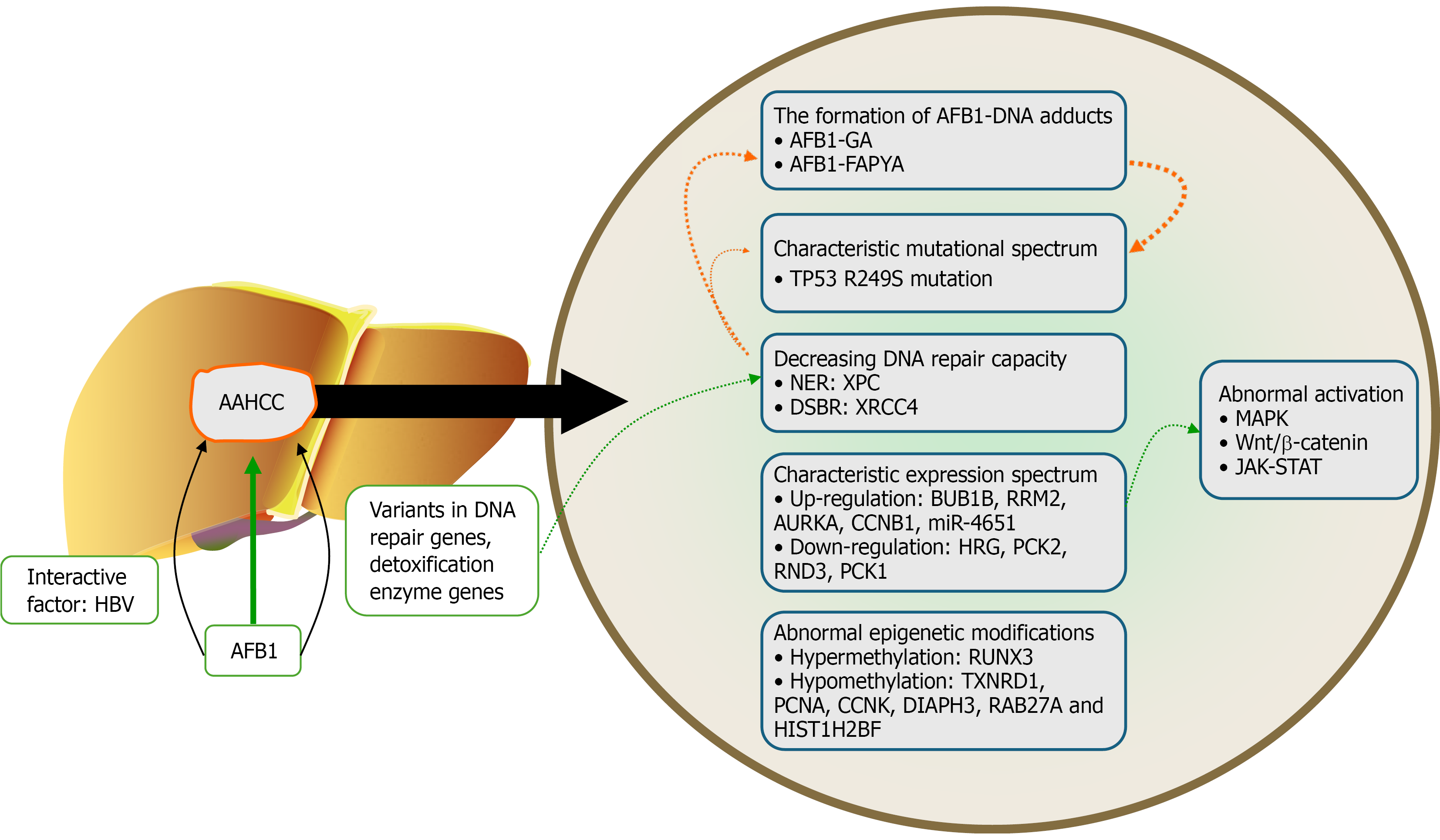
Figure 1 Molecular characters of aflatoxin B1-associated hepatocellular carcinoma.
Upon uptake of aflatoxin B1 (AFB1) by hepatocytes, cytochrome p450 (CYP450) enzymes mediate its metabolic conversion into the epoxide intermediate AFB1-exo-8,9-epoxide (AFBO). AFBO forms covalent cross-links with genomic DNA to produce DNA adducts; these lesions elicit targeted mutations in driver genes including TP53, alter global transcriptional landscapes, and induce epigenetic DNA dysregulation, collectively initiating AFB1-associated hepatocellular carcinoma (AAHCC). Beyond this primary mutagenic cascade, AFB1-triggered persistent inflammatory responses and genetic defects in DNA repair genes [e.g., xeroderma pigmentosum complementing group C (XPC), X-ray repair cross-complementing protein 4 (XRCC4)] serve as critical co-pathogenic drivers throughout AAHCC tumorigenesis. Furthermore, AFB1 exhibits synergistic oncogenic activity with hepatitis B virus (HBV) to expedite AAHCC disease progression. Taken together, the aforementioned molecular cascades define the unique molecular signature landscape that distinguishes AAHCC. Solid green arrows, representing metabolic reaction; Dashed green arrows, indicating correlations; Solid red arrows, indicating that AFBO is a critical intermediate during AFB1-induced AAHCC development; Dashed red arrows, indicating facilitative effects; Thin black lines, denoting synergistic or interactive effects with AFB1 in the progression of AAHCC; thick black lines, representing molecular events occurring in AAHCC.
- Citation: Li F, Long QQ, Tian FQ, Huang MJ, Long XD. Molecular characteristics and carcinogenic mechanisms of aflatoxin B1-associated hepatocellular carcinoma: Recent advances. World J Hepatol 2026; 18(9): 123791
- URL: https://www.wjgnet.com/1948-5182/full/v18/i9/123791.htm
- DOI: https://dx.doi.org/10.4254/wjh.123791