
















Copyright: ©Author(s) 2026.
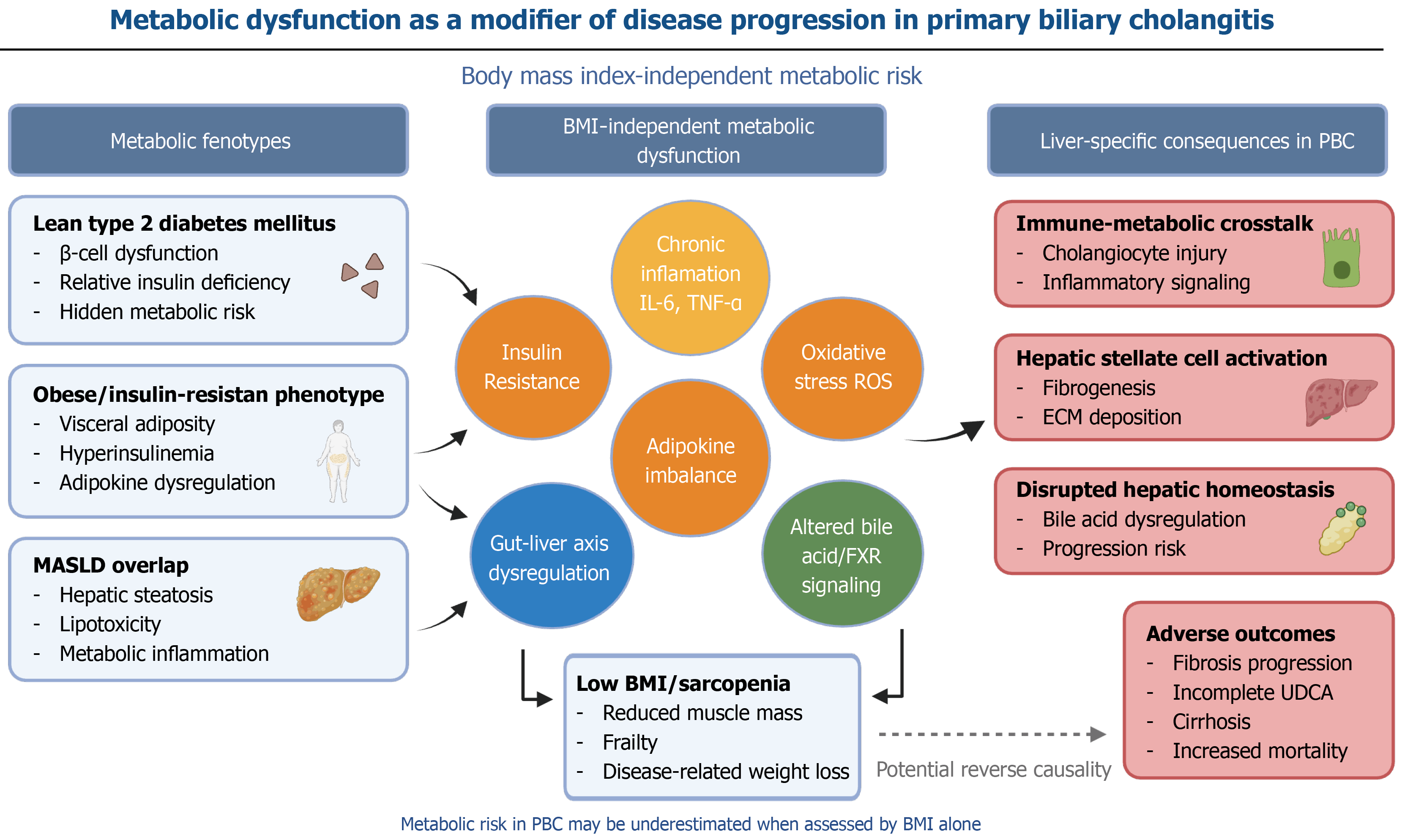
Figure 1 Metabolic dysfunction as a modifier of disease progression in primary biliary cholangitis.
Lean type 2 diabetes mellitus, obesity-associated insulin resistance, and overlap with metabolic dysfunction-associated steatotic liver disease may contribute to disease progression in primary biliary cholangitis through mechanisms that are not adequately captured by body mass index alone. Shared pathways include insulin resistance, chronic inflammation, oxidative stress, adipokine dysregulation, gut-liver axis alterations, and disrupted bile acid signaling. These processes may promote immune-metabolic crosstalk, hepatic stellate cell activation, fibrogenesis, and impaired hepatic homeostasis, ultimately contributing to fibrosis progression, an incomplete response to ursodeoxycholic acid, cirrhosis, and mortality. Low body mass index may also reflect sarcopenia or advanced disease, highlighting the potential role of reverse causality in the interpretation of lean phenotypes. MASLD: Metabolic dysfunction-associated steatotic liver disease; BMI: Body mass index; IL-6: Interleukin-6; TNF-α: Tumor necrosis factor-α; FXR: Farnesoid X receptor; PBC: Primary biliary cholangitis; ECM: Extracellular matrix; UDCA: Ursodeoxycholic acid; ROS: Reactive oxygen species.
- Citation: Martínez-Díaz FM, Jiménez-Cuevas EA, Montoya-López M, Ramírez-Mejía MM, Méndez-Sánchez N. Rethinking metabolic risk in primary biliary cholangitis: The prognostic impact of lean type 2 diabetes mellitus. World J Hepatol 2026; 18(9): 121019
- URL: https://www.wjgnet.com/1948-5182/full/v18/i9/121019.htm
- DOI: https://dx.doi.org/10.4254/wjh.121019