
















Copyright: ©Author(s) 2026.
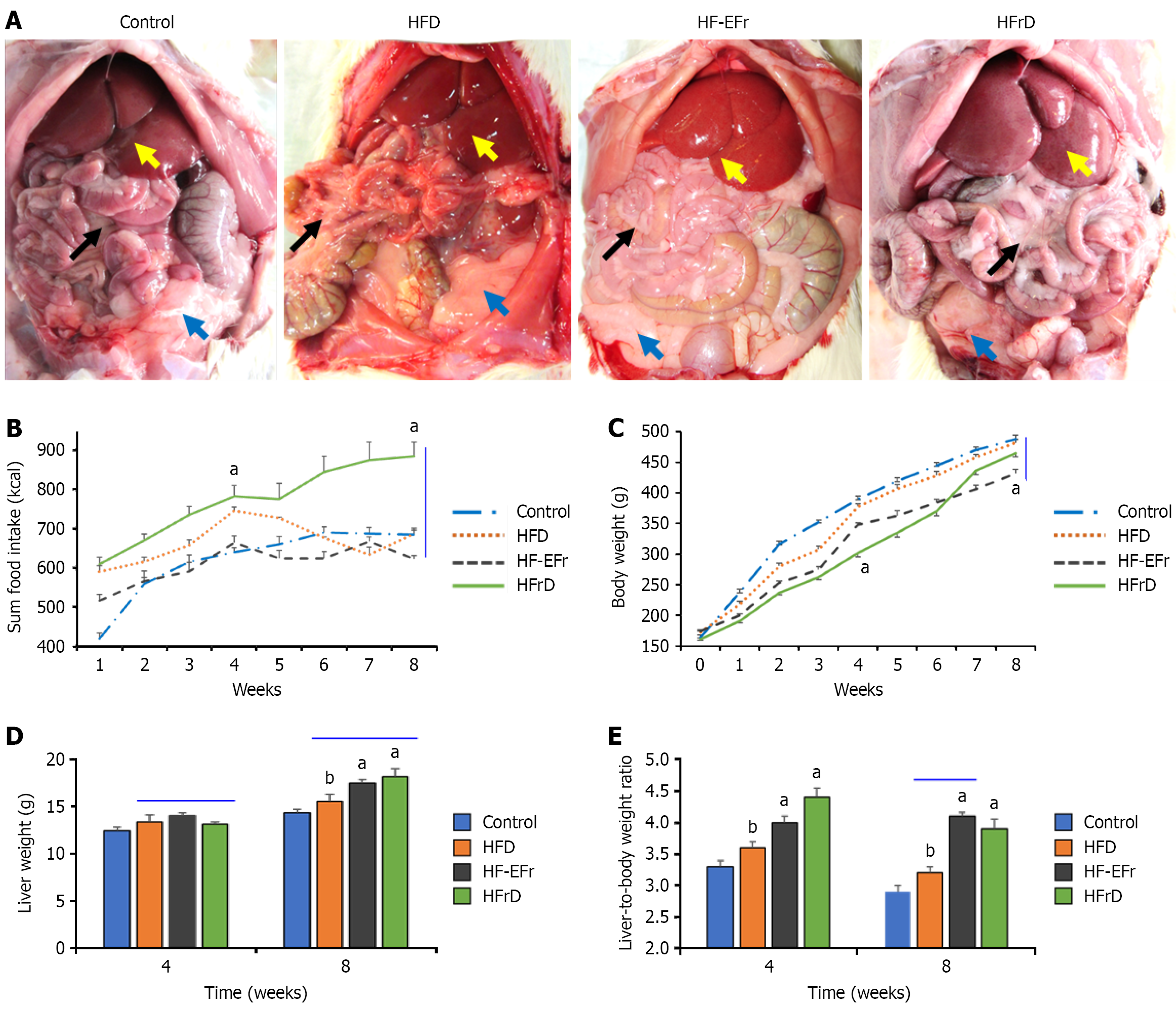
Figure 1 Differential effects of fructose-enriched diets on energy intake, growth dynamics, and liver hypertrophy.
A: Representative gross photographs of the abdominal cavity from male rats after 8 weeks of dietary intervention. Yellow arrows point at the liver, black arrows point at the mesenteric white adipose tissue (WAT), and the blue arrows point at the epidydimal WAT; B: Cumulative weekly caloric intake (kcal/rat/week) measured over the 8-week feeding period, highlighting the hyperphagia in the modified liquid Lieber-DeCarli (LDC) diet with high 70% kcal fructose (HFrD) group; C: Absolute body weight (g) measured weekly, illustrating the delayed growth but accelerated weight gain trajectory of the HFrD group, and the attenuated body weight gain of the high fat plus ethanol 30% and 30% fructose group; D: Absolute liver weight (gram); E: Relative liver weight (RLW, %), reflecting diet-associated hepatomegaly, measured at weeks 4 and 8. The control group was given chow pellets; other groups received lipid diet in bottles, high-fat diet (standard LDC diet). aP < 0.05 vs control, bP < 0.05 vs HFrD. Statistical analysis was performed using two-way ANOVA with Tukey’s post hoc test unless otherwise indicated. Data are expressed as mean ± SEM (n = 5/group). HFD: High-fat diet; HF-EFr: High-fat plus ethanol and fructose; HFrD: High-fructose diet.
- Citation: Alwahsh SM, Xu M, Nabulsi M, Mihm S, Alzahrani FA, Ramadori GP. Differential impact of high-fructose and ethanol diets on early steatohepatitis and hepatic melanocortin-4 receptor responses in rats. World J Hepatol 2026; 18(6): 119792
- URL: https://www.wjgnet.com/1948-5182/full/v18/i6/119792.htm
- DOI: https://dx.doi.org/10.4254/wjh.119792