















Copyright: ©Author(s) 2026.
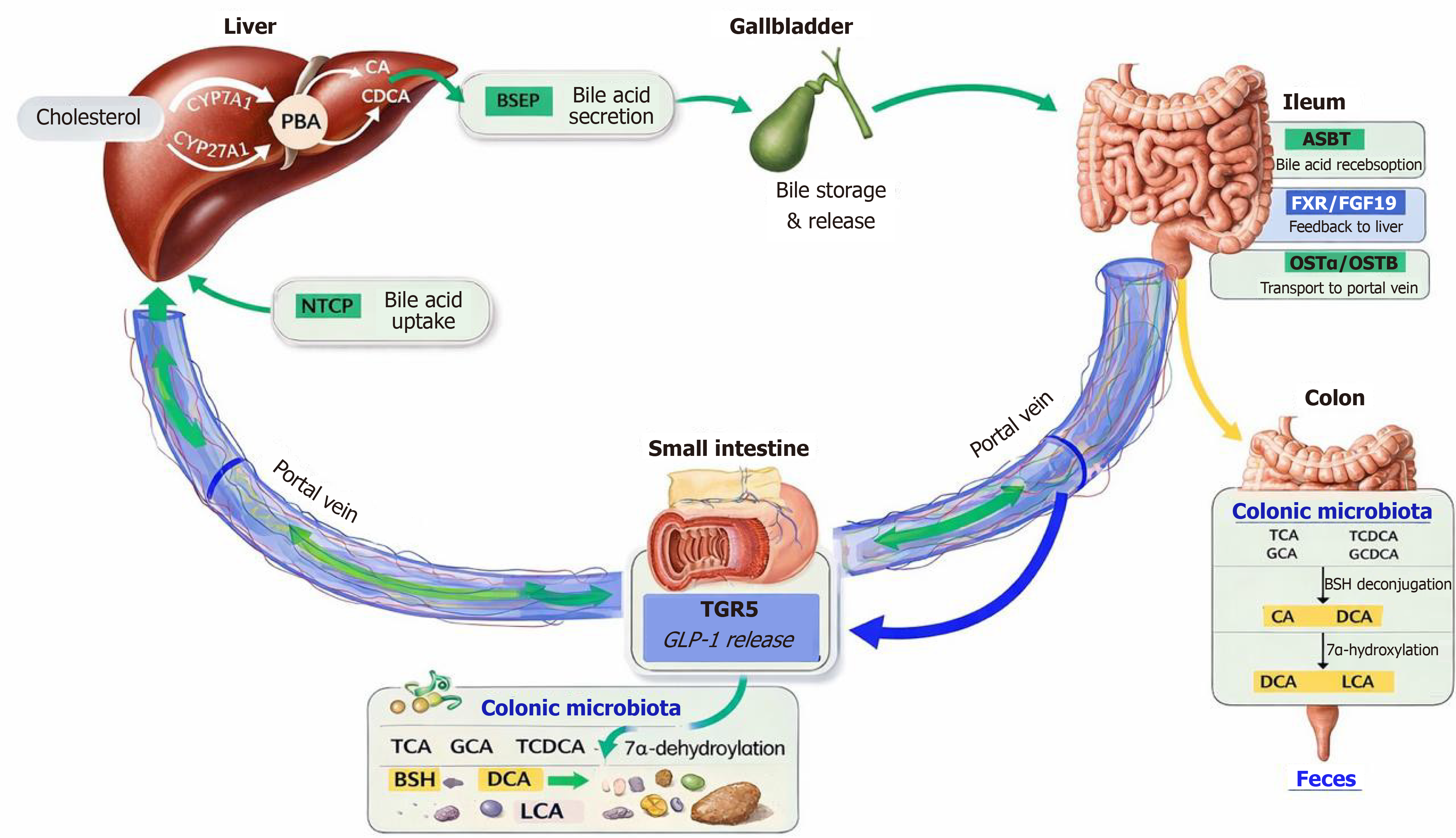
Figure 1 Enterohepatic circulation of bile acids and bacterial deconjugation.
Bile acids are synthesized in the liver from cholesterol via two major pathways: The classic pathway mediated by cholesterol 7α-hydroxylase and the alternative pathway mediated by sterol 27-hydroxylase. Newly synthesized bile acids are secreted into the bile canaliculi through bile salt export pump and stored in the gallbladder, from where they are released into the intestine in response to meals. In the terminal ileum, bile acids are actively reabsorbed across the apical membrane by apical sodium-dependent bile acid transporter and exported across the basolateral membrane into the portal circulation via the heteromeric transporters organic solute transporter alpha/beta. Reabsorbed bile acids return to the liver through the portal vein, where they are taken up into hepatocytes by sodium taurocholate cotransporting polypeptide, completing the enterohepatic circulation. Within the ileum, bile acids activate the nuclear receptor farnesoid X receptor, inducing secretion of fibroblast growth factor 19, which feeds back to the liver to suppress bile acid synthesis. In the colon, gut microbiota expressing enzymes such as bile salt hydrolase and 7α-dehydroxylase convert primary bile acids into secondary bile acids, shaping the circulating bile acid pool. Bile acids also activate Takeda G-protein-coupled receptor 5 on enteroendocrine cells, promoting glucagon-like peptide-1 release and linking bile acid signaling to metabolic regulation. NTCP: Sodium taurocholate cotransporting polypeptide; PBA: Primary bile acid; CYP7A1: Cholesterol 7α-hydroxylase; CYP27A1: Sterol 27-hydroxylase; CA: Cholic acid; CDCA: Chenodeoxycholic acid; BSEP: Bile salt export pump; ASBT: Apical sodium-dependent bile acid transporter; FXR: Farnesoid X receptor; FGF19: Fibroblast growth factor 19; OST: Organic solute transporter; TGR5: Takeda G-protein-coupled receptor 5; GLP-1: Glucagon-like peptide-1; TCA: Taurocholic acid; GCA: Glycocholic acid; TCDCA: Taurochenodeoxycholic acid; GCDCA: Glycochenodeoxycholic acid; CA: Cholic acid; DCA: Deoxycholic acid; LCA: Lithocholic acid.
- Citation: Bandyopadhyay S, Samajdar SS, Mukherjee S, Joshi SR. Bile acid receptor signaling in metabolic dysfunction-associated steatotic liver disease: Mechanistic insights and emerging therapeutic strategies. World J Hepatol 2026; 18(6): 118548
- URL: https://www.wjgnet.com/1948-5182/full/v18/i6/118548.htm
- DOI: https://dx.doi.org/10.4254/wjh.118548