
















Copyright: ©Author(s) 2026.
World J Hepatol. May 27, 2026; 18(5): 119798
Published online May 27, 2026. doi: 10.4254/wjh.v18.i5.119798
Published online May 27, 2026. doi: 10.4254/wjh.v18.i5.119798
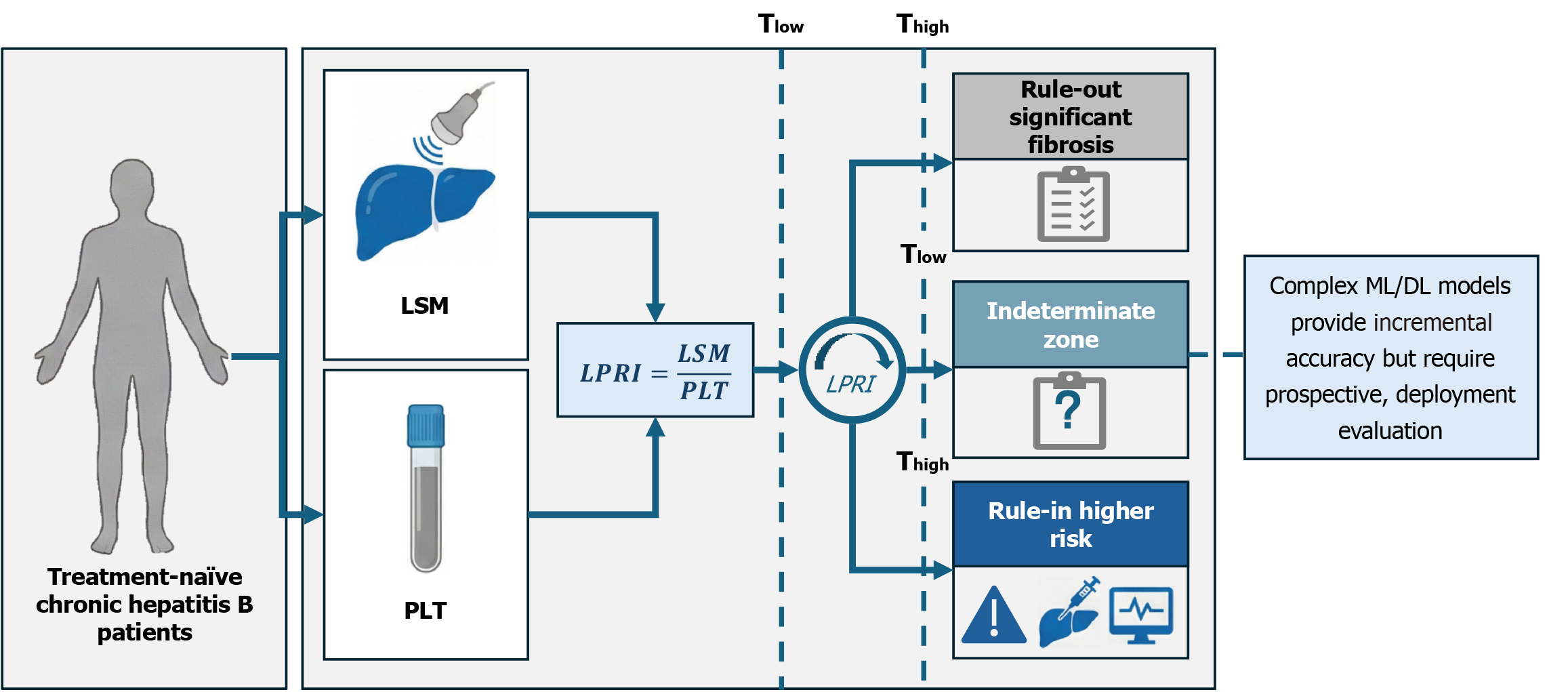
Figure 1 Study workflow and analytic pipeline.
Treatment-naïve chronic hepatitis B patients were screened, eligible participants were enrolled, and fibrosis stages were recorded using Scheuer scoring (including intermediate half-stages). Nonsignificant fibrosis was defined as S0-S1.5 and significant fibrosis as S2-S4. The liver stiffness-platelet ratio index was derived from liver stiffness measurement and platelet count and evaluated alongside conventional noninvasive tests and machine learning/deep learning models using a 70%/30% training/validation split. DL: Deep learning; LPRI: Liver stiffness measurement to platelet ratio index; LSM: Liver stiffness measurement; ML: Machine learning; PLT: Platelet count; Tlow/Thigh: LPRI thresholds for triage.
- Citation: Lin JY, Ai ZX, Luo MJ, Su LZ, Gao XG, Jiang HL, Lin JQ, Zhang HY, Sun YY, Yu HT, Zhang L, Gong XQ. Liver stiffness-platelet ratio index and machine learning models for the noninvasive diagnosis of significant fibrosis in chronic hepatitis B. World J Hepatol 2026; 18(5): 119798
- URL: https://www.wjgnet.com/1948-5182/full/v18/i5/119798.htm
- DOI: https://dx.doi.org/10.4254/wjh.v18.i5.119798