
















Copyright: ©Author(s) 2026.
World J Hepatol. May 27, 2026; 18(5): 116542
Published online May 27, 2026. doi: 10.4254/wjh.v18.i5.116542
Published online May 27, 2026. doi: 10.4254/wjh.v18.i5.116542
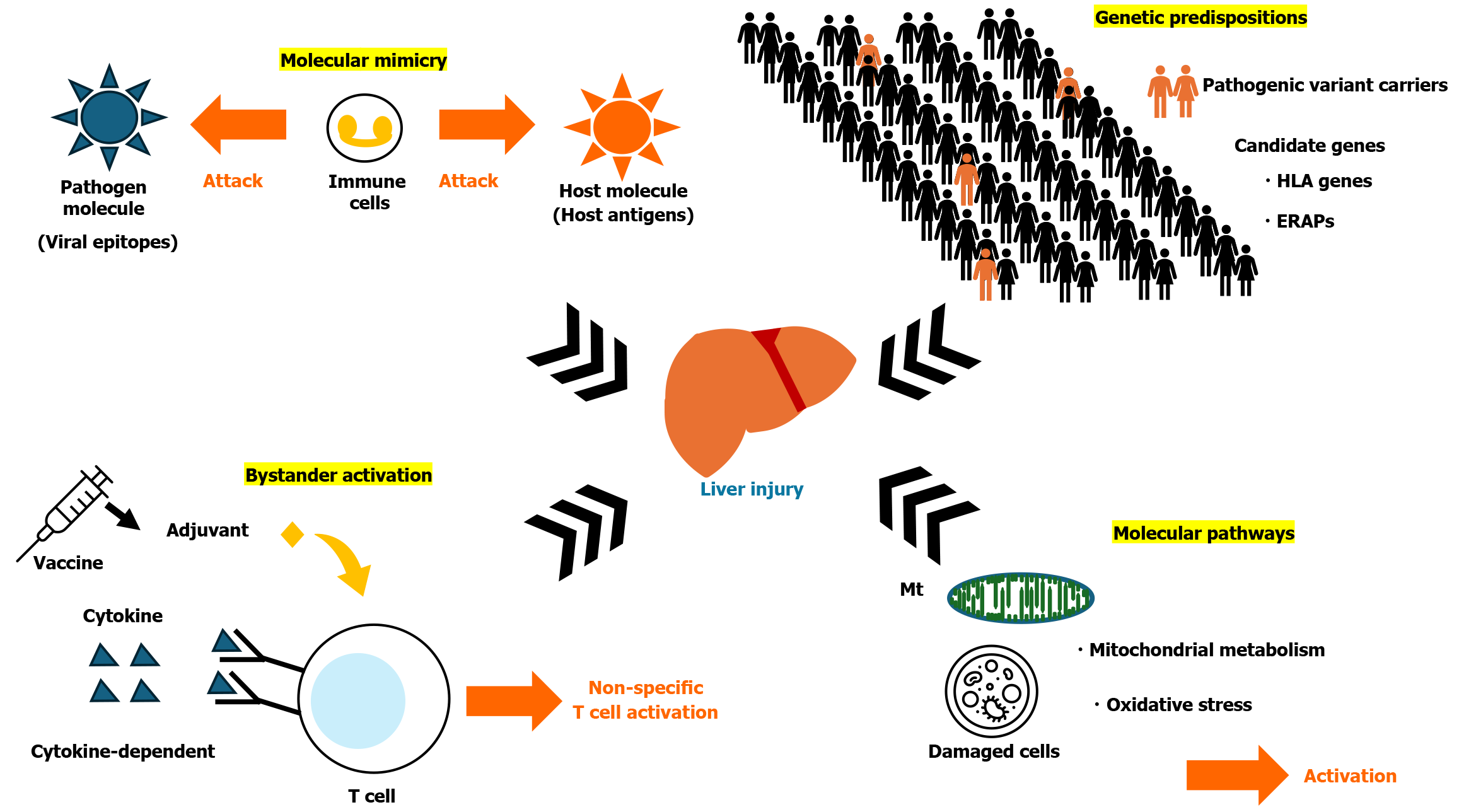
Figure 1 Potential pathophysiological mechanisms underlying coronavirus disease 2019 vaccine-associated liver injury.
The pathogenesis of coronavirus disease 2019 vaccine-associated liver injury is considered multifactorial. One proposed mechanism involves molecular mimicry, wherein structural homology between viral epitopes encoded by the vaccine and host antigens may elicit cross-reactive immune responses. Another mechanism is bystander T-cell activation, characterized by cytokine-mediated, antigen-independent stimulation of T lymphocytes that lack specificity for the initiating antigen. Vaccine adjuvants are hypothesized to contribute to bystander T-cell activation. In addition, increased mitochondrial metabolic activity and activation of oxidative stress pathways have been implicated in hepatocellular injury. A genetic predisposition, particularly that involving human leukocyte antigen alleles and endoplasmic reticulum aminopeptidases, may influence individual susceptibility. Mt: Mitochondrion; HLA: Human leukocyte antigen; ERAPs: Endoplasmic reticulum aminopeptidases.
- Citation: Sato K. Liver injury after COVID-19 vaccination: Current status and future perspectives. World J Hepatol 2026; 18(5): 116542
- URL: https://www.wjgnet.com/1948-5182/full/v18/i5/116542.htm
- DOI: https://dx.doi.org/10.4254/wjh.v18.i5.116542