
















Copyright: ©Author(s) 2026.
World J Hepatol. May 27, 2026; 18(5): 115659
Published online May 27, 2026. doi: 10.4254/wjh.v18.i5.115659
Published online May 27, 2026. doi: 10.4254/wjh.v18.i5.115659
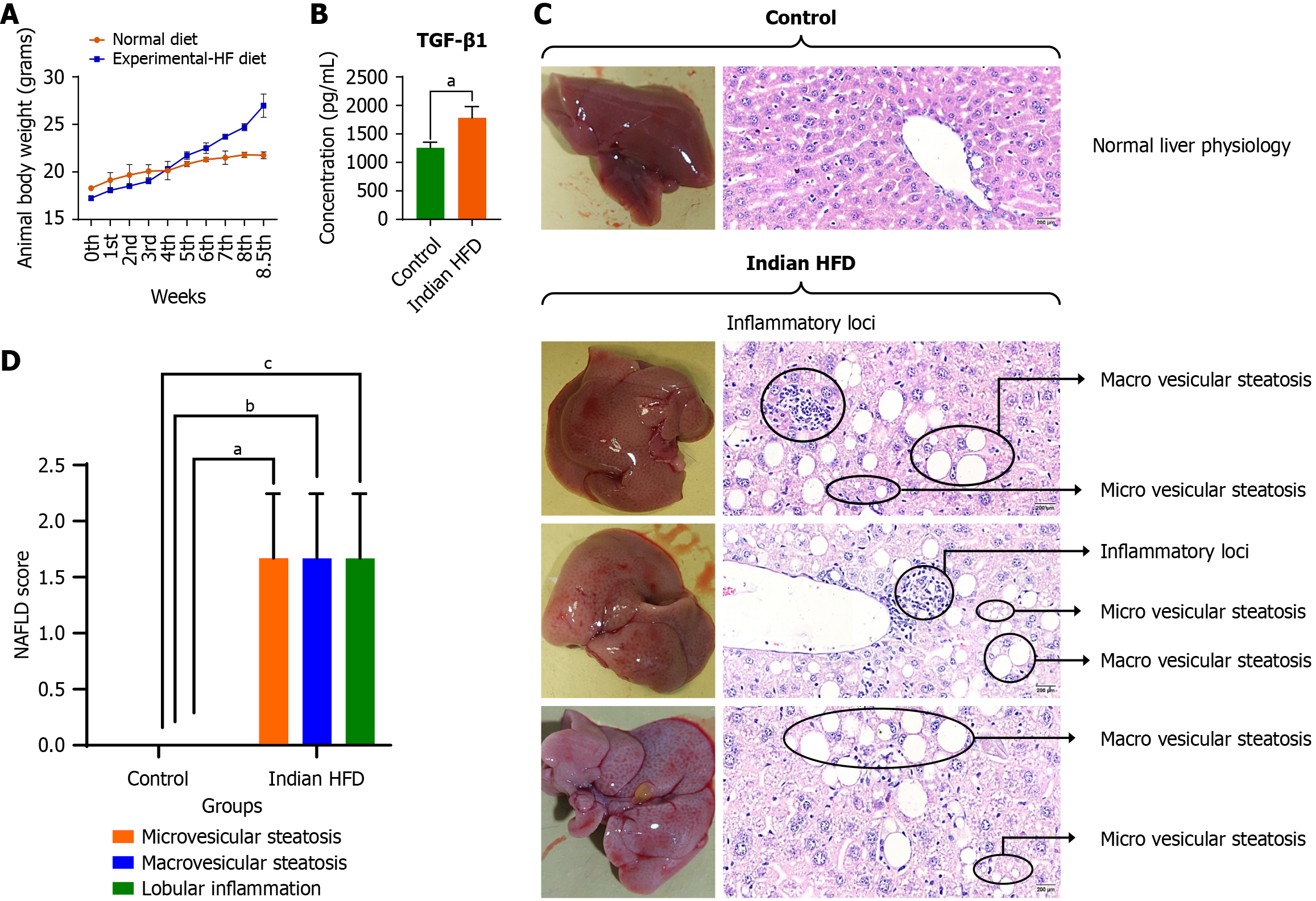
Figure 1 Optimization of in-house prepared Indian high fat diet in C57BL/6J mice.
A: Change in body weight of C57BL/6J mice after consuming the in-house formulated Indian high fat diet (HFD); B: The concentration of transforming growth factor beta 1. Data represented in mean ± SD (n = 3), aP < 0.05 (control vs Indian HFD); C: Representative images of hematoxylin and eosin-stained liver sections of mice fed with normal pellet diet and Indian HFD after 8.5 weeks of induction. All photomicrographs: Hematoxylin and eosin stain; magnification 40 × (scale bar = 100 μm); D: Non-alcoholic fatty liver disease activity score conducted in liver samples of mice fed with normal pellet and Indian HFD group. Data represented in mean ± SD (n = 3), aP < 0.001 (control, micro-vesicular steatosis vs Indian HFD, micro-vesicular steatosis); bP < 0.001 (control, macro-vesicular steatosis vs Indian HFD, macro-vesicular steatosis); cP < 0.001 (control, lobular inflammation vs Indian HFD, lobular inflammation). HF: High fat; HFD: High fat diet; NAFLD: Non-alcoholic fatty liver disease; TGF-β1: Transforming growth factor beta 1.
- Citation: Nair B, Gopalakrishna R, Nath LR. Kaempferol attenuates diet-induced obesity and hepatic steatosis in C57BL/6J mice fed an Indian diet-mimicking regimen. World J Hepatol 2026; 18(5): 115659
- URL: https://www.wjgnet.com/1948-5182/full/v18/i5/115659.htm
- DOI: https://dx.doi.org/10.4254/wjh.v18.i5.115659