
















©The Author(s) 2026.
World J Hepatol. Feb 27, 2026; 18(2): 115763
Published online Feb 27, 2026. doi: 10.4254/wjh.v18.i2.115763
Published online Feb 27, 2026. doi: 10.4254/wjh.v18.i2.115763
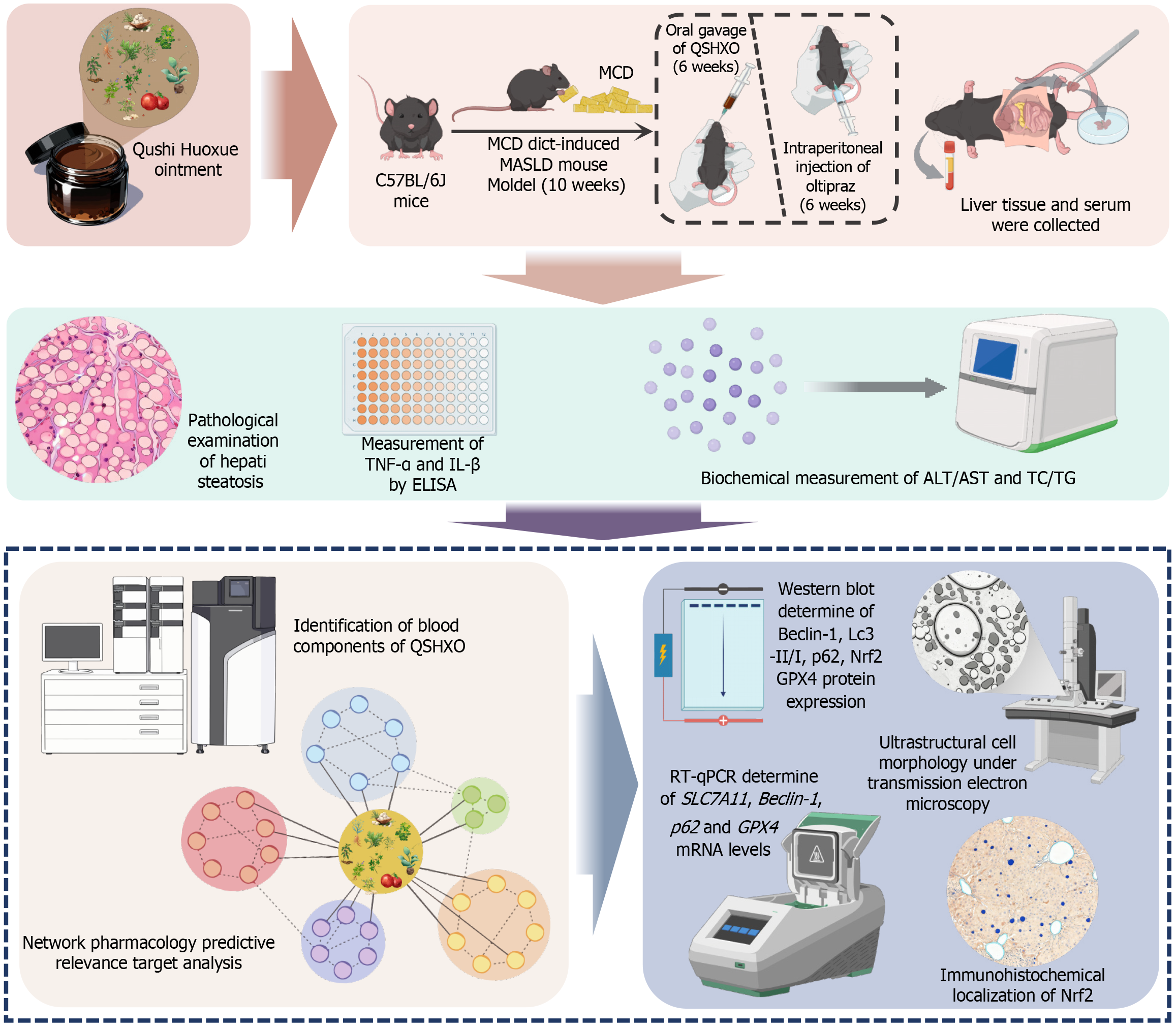
Figure 1 Experimental design summary diagram.
Metabolic associated steatotic liver disease mouse model was first established using the methionine-choline-deficient diet. Following Qushi Huoxue ointment (QSHXO) treatment, serum and liver tissue samples were collected to assess pathological changes, liver function markers, and inflammatory cytokine levels. Subsequently, the bioactive components of QSHXO in serum were identified using liquid chromatography-mass spectrometry/mass spectrometry analysis. Next, network pharmacology was applied to predict the potential target pathways of QSHXO in the treatment of metabolic associated steatotic liver disease, specifically focusing on autophagy and ferroptosis. These predicted targets were further validated through western blot, quantitative reverse-transcription polymerase chain reaction, immunohistochemistry, and transmission electron microscopy. MCD: Methionine-choline-deficient; MASLD: Metabolic associated steatotic liver disease; QSHXO: Qushi Huoxue ointment; TNF-α: Tumor necrosis factor-α; IL-β: Interleukin-β; ELISA: Enzyme-linked immunosorbent assay; ALT: Alanine aminotransferase; AST: Aspartate aminotransferase; TC: Total cholesterol; TG: Triglyceride; Nrf2: Nuclear factor erythroid 2-related factor 2; Lc3: Light chain 3; GPX4: Glutathione peroxidase 4.
- Citation: Liu YY, Qin H, Wu HX, Wang RT, Yang QY, Jiang F, Liu XD, Wu DK, Tang YM. Qushi Huoxue ointment ameliorates metabolic associated steatotic liver disease through autophagy activation and ferroptosis inhibition. World J Hepatol 2026; 18(2): 115763
- URL: https://www.wjgnet.com/1948-5182/full/v18/i2/115763.htm
- DOI: https://dx.doi.org/10.4254/wjh.v18.i2.115763