
















Copyright: ©Author(s) 2026.
World J Hepatol. Nov 27, 2026; 18(11): 125669
Published online Nov 27, 2026. doi: 10.4254/wjh.125669
Published online Nov 27, 2026. doi: 10.4254/wjh.125669
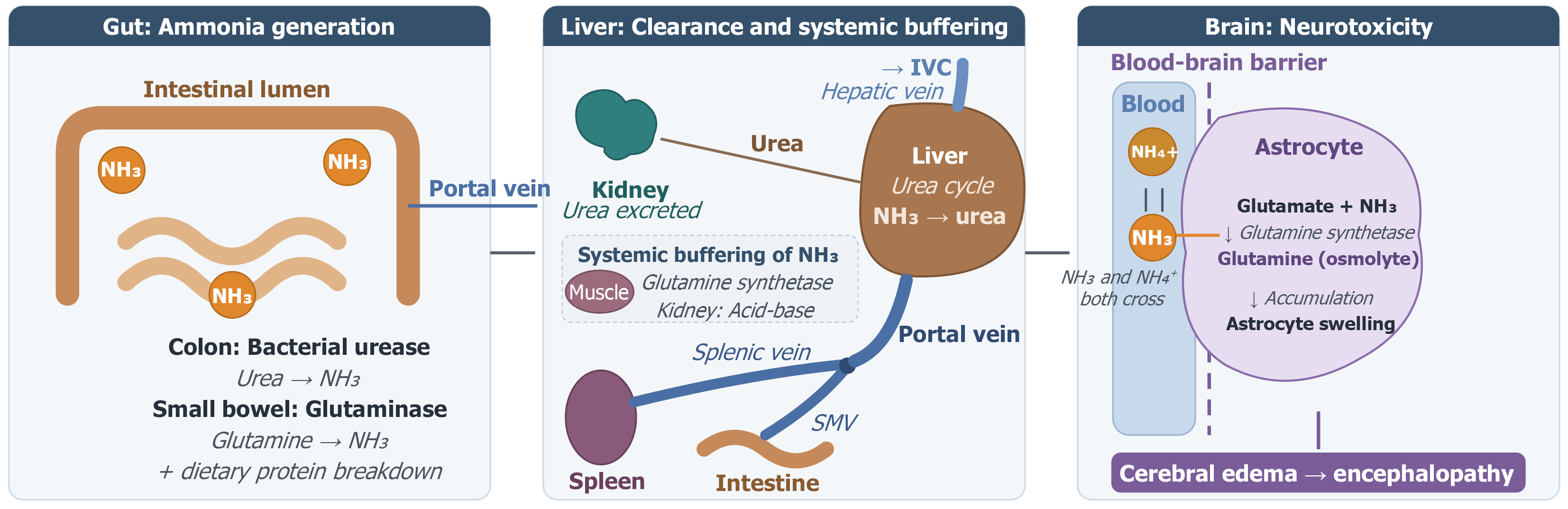
Figure 1 Ammonia production, hepatic clearance, and neurotoxicity.
Panel 1: Most NH3 is generated in the intestine, where bacterial urease hydrolyzes urea to NH3 in the colon, glutaminase in small-bowel enterocytes generates NH3 from glutamine, and bacterial breakdown of dietary protein contributes additional nitrogen. Panel 2: Intestinal NH3 drains through the superior mesenteric and splenic veins, which join to form the portal vein and deliver it to the liver. There, the urea cycle converts NH3 to urea for renal excretion, and the hepatic veins return cleared blood to the inferior vena cava. The small fraction that reaches the systemic circulation is buffered by skeletal muscle, which incorporates NH3 into glutamine via glutamine synthetase, and by the kidney, which adjusts NH3 according to acid-base balance. Panel 3: NH3 in the systemic circulation crosses the blood-brain barrier. At physiologic pH, it exists predominantly as the NH4+, the uncharged NH3 crosses mainly by diffusion, while NH4+ also enters through transporters and channels, so both species contribute to central nervous system exposure. Within astrocytes, the principal site of NH3 detoxification in the brain, glutamine synthetase combines NH3 with glutamate to form glutamine. Glutamine accumulation increases intracellular osmotic pressure, promoting astrocyte swelling, cerebral edema, and encephalopathy. IVC: Inferior vena cava; SMV: SMV: Superior mesenteric vein.
- Citation: Obeidat Y, Cholankeril G. Non-cirrhotic hyperammonemia in adults: Recognition and management. World J Hepatol 2026; 18(11): 125669
- URL: https://www.wjgnet.com/1948-5182/full/v18/i11/125669.htm
- DOI: https://dx.doi.org/10.4254/wjh.125669