
















Copyright: ©Author(s) 2026.
World J Hepatol. Nov 27, 2026; 18(11): 122559
Published online Nov 27, 2026. doi: 10.4254/wjh.122559
Published online Nov 27, 2026. doi: 10.4254/wjh.122559
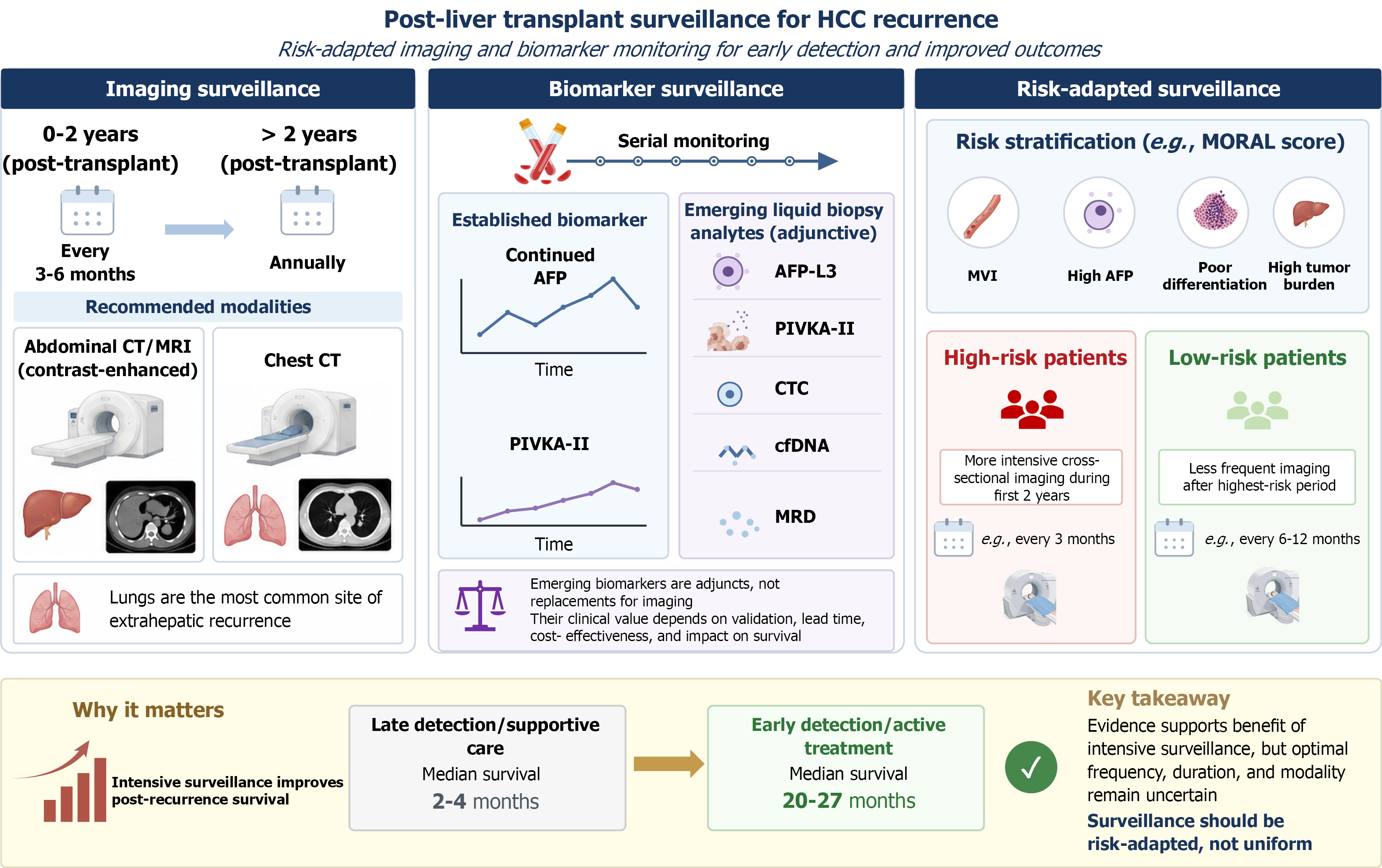
Figure 2 The integrated pipeline for risk stratification, surveillance, and early detection.
Generated using BioRender AI and manually refined by the authors. CT: Computed tomography; MRI: Magnetic resonance imaging; AFP: Alpha-fetoprotein; AFP-L3: Lens culinaris agglutinin-reactive alpha-fetoprotein; PIVKA-II: Protein induced by vitamin K absence or antagonist-II; CTC: Circulating tumor cell; cfDNA: Cell-free DNA; MRD: Minimal residual disease; MVI: Microvascular invasion; MORAL: Model for Recurrence After Liver Transplantation.
- Citation: Xiang XL, Wu YC, Zhang ZJ, Zhan XK, Tong Y, Yong JK, Zhou Y, Feng H, Xia Q. Liver transplantation for hepatocellular carcinoma: Mechanisms, risk stratification, and evolving treatment landscape. World J Hepatol 2026; 18(11): 122559
- URL: https://www.wjgnet.com/1948-5182/full/v18/i11/122559.htm
- DOI: https://dx.doi.org/10.4254/wjh.122559