
















Copyright: ©Author(s) 2026.
World J Hepatol. Oct 27, 2026; 18(10): 124519
Published online Oct 27, 2026. doi: 10.4254/wjh.124519
Published online Oct 27, 2026. doi: 10.4254/wjh.124519
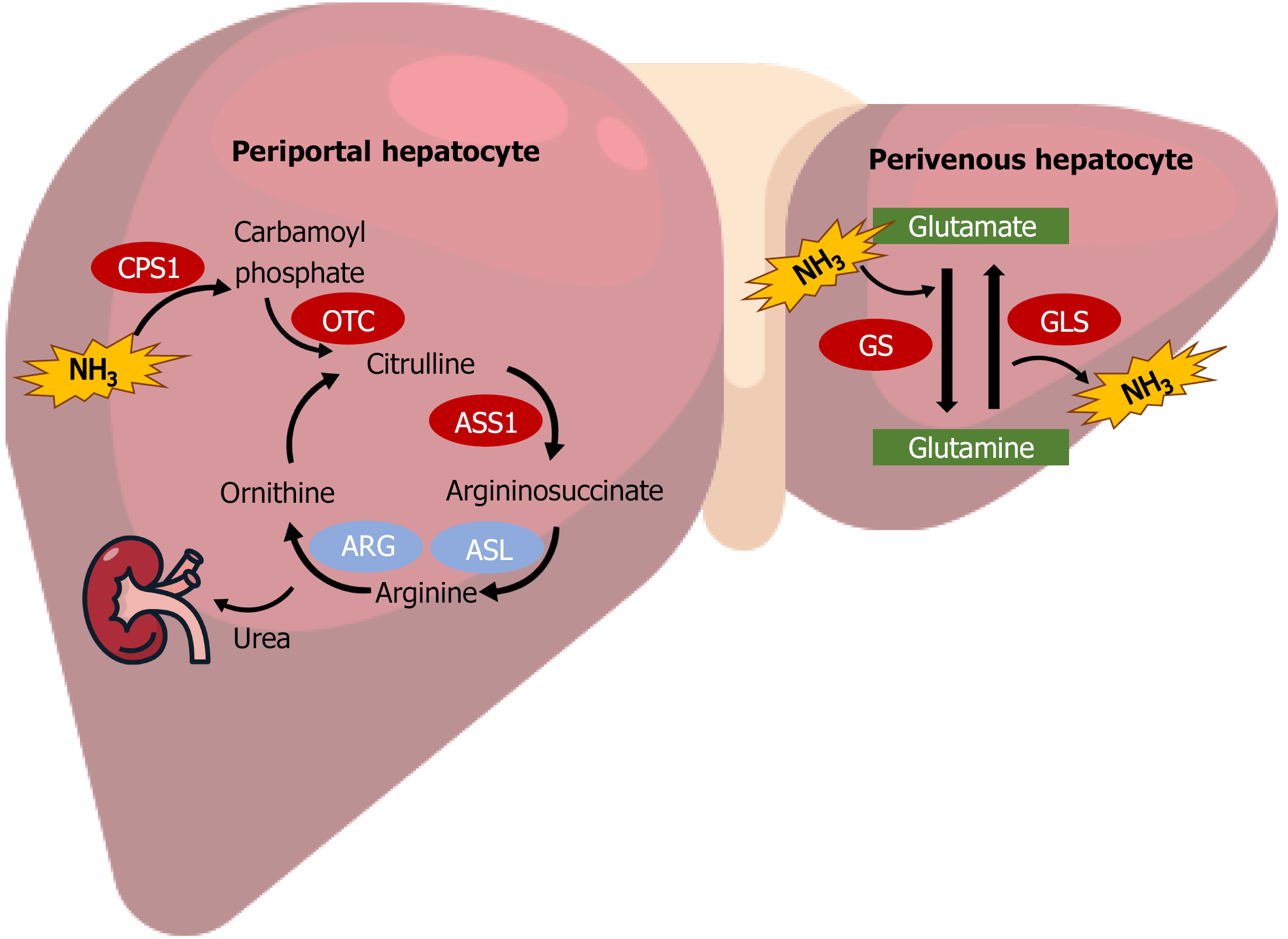
Figure 1 Ammonia metabolism in the liver.
Detoxification of ammonia in the liver occurs via two spatially separated pathways: The highly efficient urea cycle, or ureagenesis, in periportal hepatocytes converts ammonia to urea, whereas residual ammonia is utilized by glutamine synthetase in perivenous hepatocytes by binding ammonia with glutamate to form glutamine. OTC: Ornithine transcarbamylase; CPS1: Carbamoyl phosphate synthetase 1; ASS1: Argininosuccinate synthetase 1; ASL: Argininosuccinate lyase; ARG: Arginase; GS: Glutamine synthetase; GLS: Glutaminase.
- Citation: Sheptulina AF, Golubeva JA, Valeeva DL, Kiselev AR, Drapkina OM. Hyperammonemia as a potential contributor to fatigue in metabolic dysfunction-associated steatotic liver disease: A mechanistic review. World J Hepatol 2026; 18(10): 124519
- URL: https://www.wjgnet.com/1948-5182/full/v18/i10/124519.htm
- DOI: https://dx.doi.org/10.4254/wjh.124519