
















©The Author(s) 2026.
World J Hepatol. Jan 27, 2026; 18(1): 112821
Published online Jan 27, 2026. doi: 10.4254/wjh.v18.i1.112821
Published online Jan 27, 2026. doi: 10.4254/wjh.v18.i1.112821
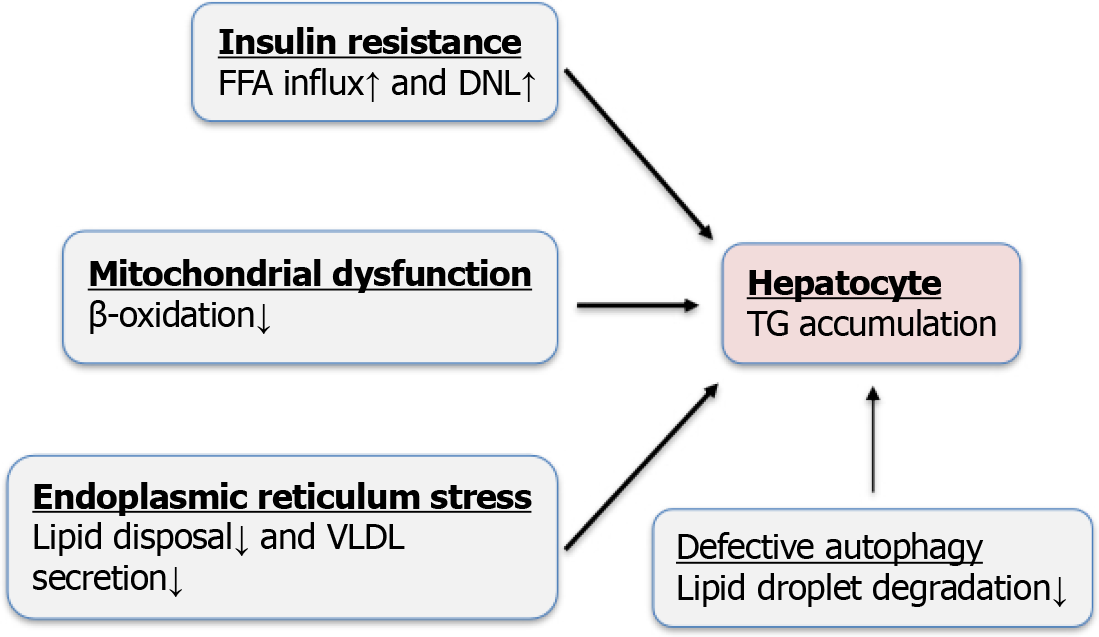
Figure 1 Mechanisms underlying hepatic steatosis in metabolic dysfunction-associated steatotic liver disease.
Hepatic steatosis develops when fatty acid input exceeds disposal. Major contributors include insulin resistance, mitochondrial dysfunction, oxidative stress, and endoplasmic reticulum stress. In addition, defective selective autophagy (lipophagy) has been identified as an emerging mechanism that limits lipid droplet degradation and may exacerbate steatosis. DNL: De novo lipogenesis; FFA: Free fatty acid; TG: Triglyceride; VLDL: Very low-density lipoprotein.
- Citation: Moriyama K. Evaluation methods of hepatic steatosis: From conventional techniques to emerging biomarkers. World J Hepatol 2026; 18(1): 112821
- URL: https://www.wjgnet.com/1948-5182/full/v18/i1/112821.htm
- DOI: https://dx.doi.org/10.4254/wjh.v18.i1.112821