
















©The Author(s) 2025.
World J Hepatol. Sep 27, 2025; 17(9): 107671
Published online Sep 27, 2025. doi: 10.4254/wjh.v17.i9.107671
Published online Sep 27, 2025. doi: 10.4254/wjh.v17.i9.107671
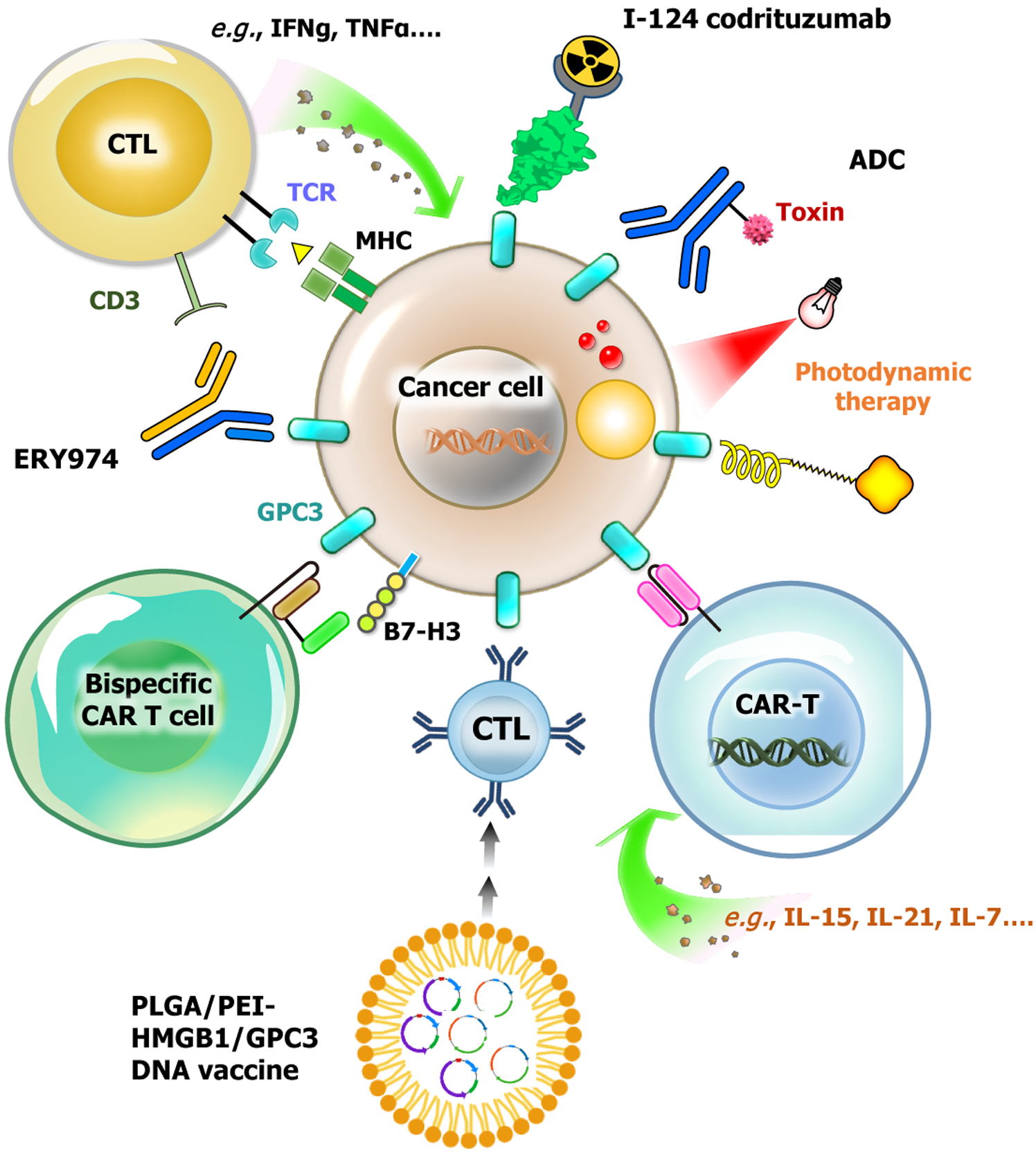
Figure 5 Applications of glypican-3-targeted therapies.
Glypican-3 (GPC3) serves as a promising target for hepatocellular carcinoma (HCC) therapy, with various therapeutic strategies under development. I-124 codrituzumab, a radiolabeled monoclonal antibody targeting GPC3, enables tumor imaging and potential radioimmunotherapy applications. Antibody-drug conjugates utilize GPC3-targeting antibodies conjugated with cytotoxic agents to selectively eliminate cancer cells. Photodynamic therapy, an emerging approach, employs light-activated GPC3-targeting molecules to induce localized cytotoxicity. GPC3-specific chimeric antigen receptor (CAR)-T cells have been engineered to target tumor cells, with their efficacy further enhanced by the secretion of cytokines such as IL-15, IL-21, and IL-7, which improve CAR-T cell persistence and strengthen antitumor activity. Bispecific CAR-T cells, designed to simultaneously recognize GPC3 and B7-H3, offer a dual-targeting strategy that enhances tumor specificity, boosts immune activation, and mitigates antigen escape, ultimately improving the effectiveness of CAR-T-cell therapy. In DNA vaccine development, PLGA/PEI nanoparticles are utilized to encapsulate and deliver GPC3 and HMGB1, aiming to stimulate immune responses and activate cytotoxic T lymphocyte. ERY974, a bispecific T cell-redirecting antibody, is designed to target both GPC3 on tumor cells and CD3 on T cells, facilitating potent T cell-mediated tumor killing. Collectively, these GPC3-targeted strategies offer significant potential for advancing HCC treatment by leveraging multiple mechanisms to enhance tumor specificity, immune activation, and therapeutic efficacy. CTL: Cytotoxic T lymphocyte; CAR-T: Chimeric antigen receptor-T.
- Citation: Wu CS, Lee TY, Chao HW. Targeting glypican-3 as a new frontier in liver cancer therapy. World J Hepatol 2025; 17(9): 107671
- URL: https://www.wjgnet.com/1948-5182/full/v17/i9/107671.htm
- DOI: https://dx.doi.org/10.4254/wjh.v17.i9.107671