
















©The Author(s) 2025.
World J Hepatol. Sep 27, 2025; 17(9): 107631
Published online Sep 27, 2025. doi: 10.4254/wjh.v17.i9.107631
Published online Sep 27, 2025. doi: 10.4254/wjh.v17.i9.107631
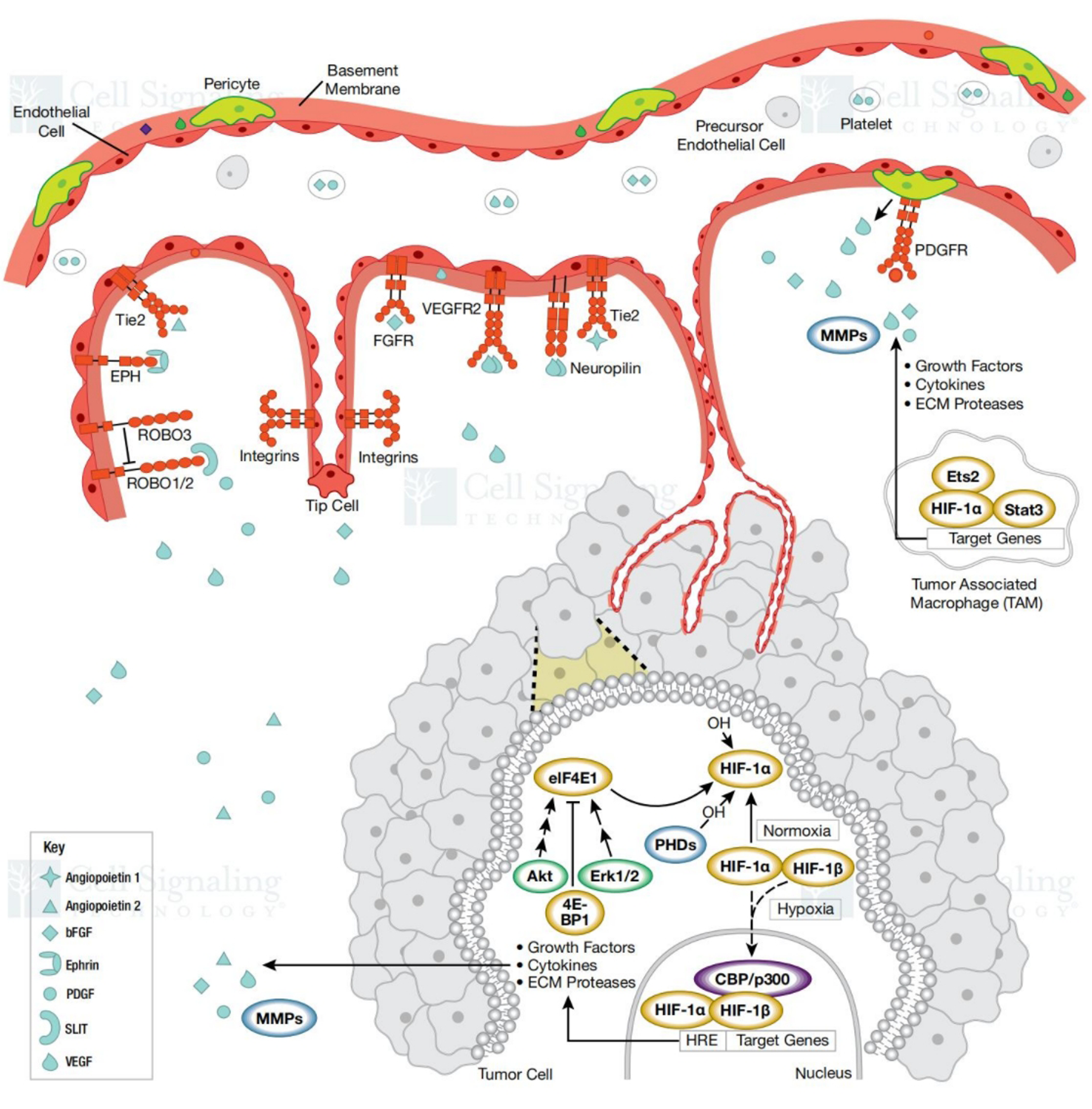
Figure 1 Mechanism of tumor angiogenesis.
Citation: Ilustration reproduced courtesy of Cell Signaling Technology, Inc. (www.cellsignal.com). The copyright license of Figure 1 is placed in the Supplementary material. Under tumor hypoxia, the hypoxia-inducible factor-1 (HIF-1) dimer remains stable and activates multiple pro-angiogenic genes. This pathway stimulates tumor vascularization and progression through enhanced blood supply formation. Tie2: Tyrosine kinase with immunoglobulin-like and epidermal growth factor-like domains 2; EPH: Erythropoietin-producing hepatocellular; ROBO: Roundabout; FGFR: Fibroblast growth factor receptor; VEGFR2: Vascular endothelial growth factor receptor 2; PDGFR: Platelet-derived growth factor receptor; MMPs: Matrix metalloproteinases; Ets2: E26 transformation-specific 2; HIF-1: Hypoxia-inducible factor-1; Akt: Protein kinase B; Stat3: Signal transducer and activator of transcription 3; Erk: Extracellular signal-regulated kinase; 4E-BP1: Eukaryotic translation initiation factor 4E-binding protein 1; PHD: Prolyl hydroxylase domain-containing protein; CBP: CREB-binding protein; eIF4E1: Eukaryotic translation initiation factor 4E1; HRE: Hypoxia-responsive element; PDGF: Platelet-derived growth factor; SLIT: Slit guidance ligand; VEGF: Vascular endothelial growth factor.
- Citation: Liu F, Zhang J, Li K. Postoperative adjuvant management in hepatocellular carcinoma: A review of therapeutic efficacy and prognostic outcomes. World J Hepatol 2025; 17(9): 107631
- URL: https://www.wjgnet.com/1948-5182/full/v17/i9/107631.htm
- DOI: https://dx.doi.org/10.4254/wjh.v17.i9.107631