
















©The Author(s) 2025.
World J Hepatol. Aug 27, 2025; 17(8): 108182
Published online Aug 27, 2025. doi: 10.4254/wjh.v17.i8.108182
Published online Aug 27, 2025. doi: 10.4254/wjh.v17.i8.108182
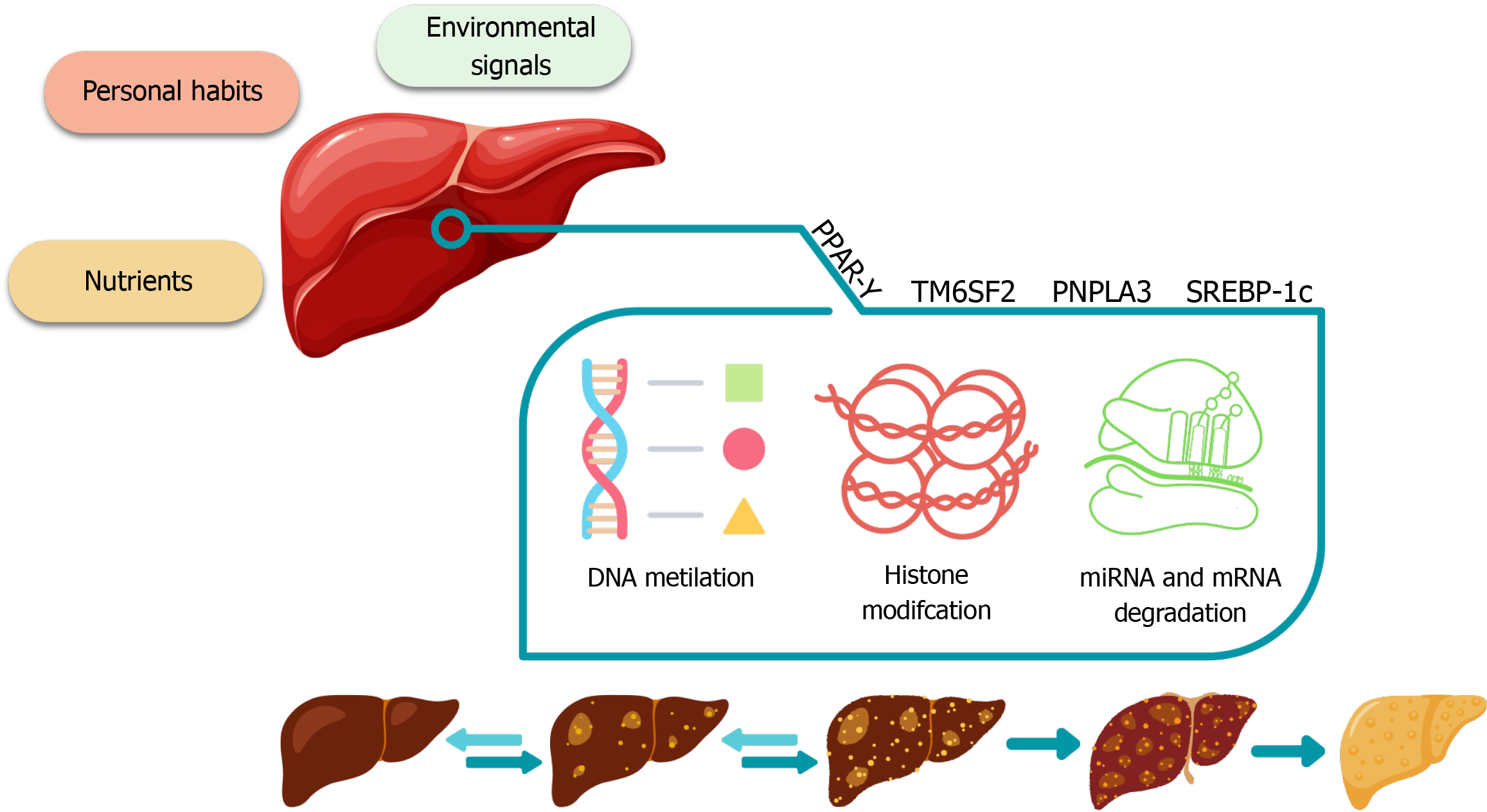
Figure 2 Integrated mechanisms of metabolic dysfunction-associated steatotic liver disease pathogenesis and therapeutic targets.
Schematic representation of the integrated mechanisms involved in metabolic dysfunction-associated steatotic liver disease (MASLD) pathogenesis and therapeutic intervention. The illustration highlights the role of PNPLA3 in modulating hepatic susceptibility to damage, driven by ferroptosis, impaired autophagy, and microbiota dysregulation. Nutritional strategies, ferroptosis inhibitors, and autophagy activators are depicted as protective factors that enhance cellular resilience, mitigate oxidative stress, and promote lipid homeostasis. Furthermore, the model underscores the impact of microbiota balance in reducing hepatic inflammation and preventing MASLD progression.
- Citation: Rodriguez S, Dahlem MLF, Rossoni C, Marroni NP, Marroni CA, Fernandes SA. Nutrients as epigenetic modulators in metabolic dysfunction-associated steatotic liver disease. World J Hepatol 2025; 17(8): 108182
- URL: https://www.wjgnet.com/1948-5182/full/v17/i8/108182.htm
- DOI: https://dx.doi.org/10.4254/wjh.v17.i8.108182