
















©The Author(s) 2025.
World J Hepatol. Dec 27, 2025; 17(12): 111153
Published online Dec 27, 2025. doi: 10.4254/wjh.v17.i12.111153
Published online Dec 27, 2025. doi: 10.4254/wjh.v17.i12.111153
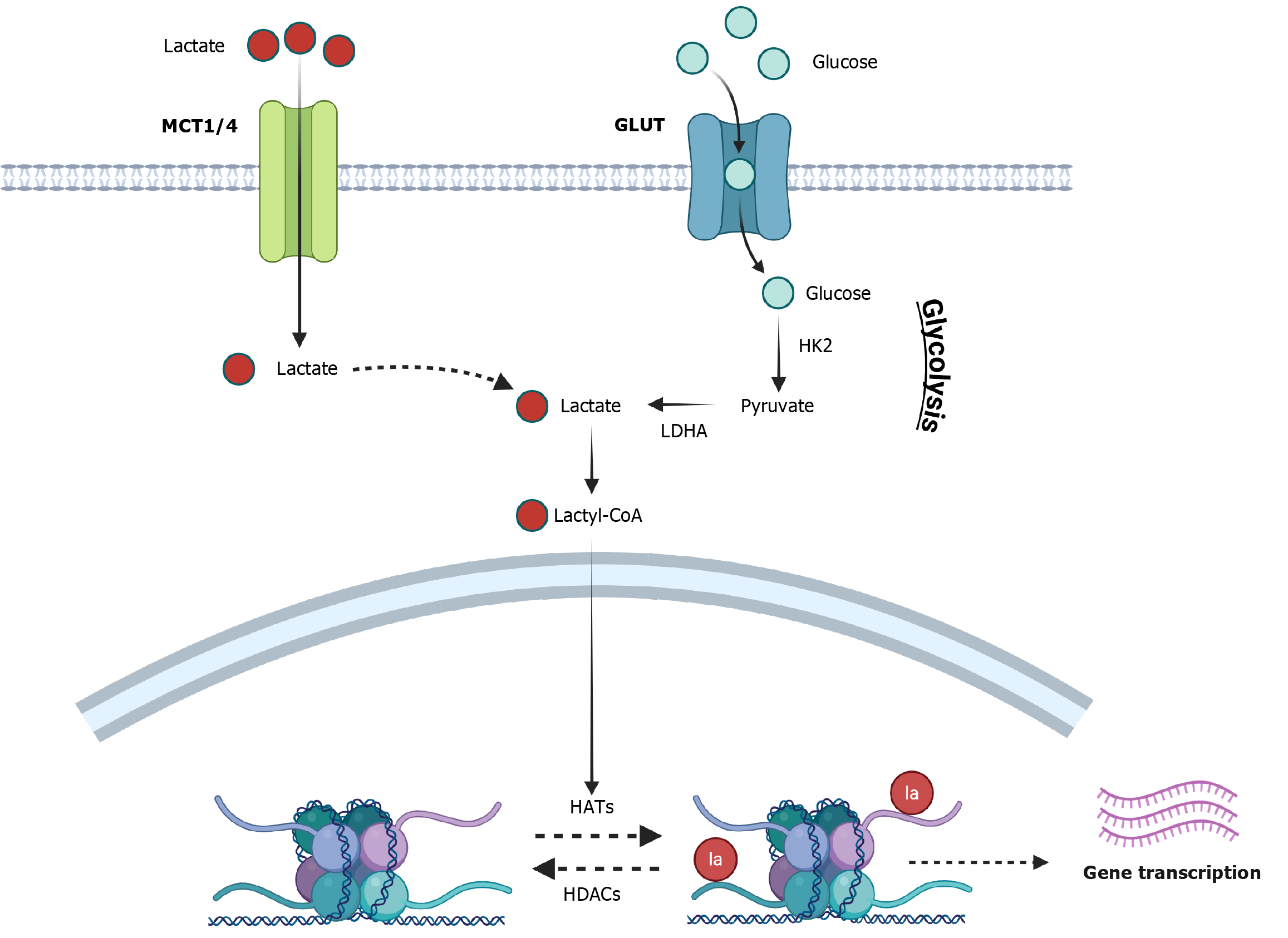
Figure 1 Molecular mechanism of histone lactylation.
Lactate acts as a bio-signaling molecule beyond its metabolic role. Lactate transport from lactate transporters, such as monocarboxylate transporter 1 and 4, (MCT1/4) and its synthesis via glycolysis involving hexokinase 2 (HK2) and lactate dehydrogenase A (LDHA) results in the conversion of lactate into lactyl-coenzyme A. Following this “writers” like p300 facilitate lactylation, while “erasers” such as histone deacetylases (HDACs) 1-3 and sirtuin 1-3 act as delactylases. The lactylation of histone 3 at lysine 18 results in the expression of target genes. GLUT: Glucose transporter; HATs: Histone acetyltransferases; la: Lactyl.
- Citation: Singh MM, Shah A, Rajak S, Chaturvedi CP, Sinha RA. Histone lactylation: A key epigenetic modulator in the pathogenesis of metabolic dysfunction-associated steatohepatitis and alcoholic steatohepatitis. World J Hepatol 2025; 17(12): 111153
- URL: https://www.wjgnet.com/1948-5182/full/v17/i12/111153.htm
- DOI: https://dx.doi.org/10.4254/wjh.v17.i12.111153