
















©The Author(s) 2025.
World J Hepatol. Dec 27, 2025; 17(12): 110966
Published online Dec 27, 2025. doi: 10.4254/wjh.v17.i12.110966
Published online Dec 27, 2025. doi: 10.4254/wjh.v17.i12.110966
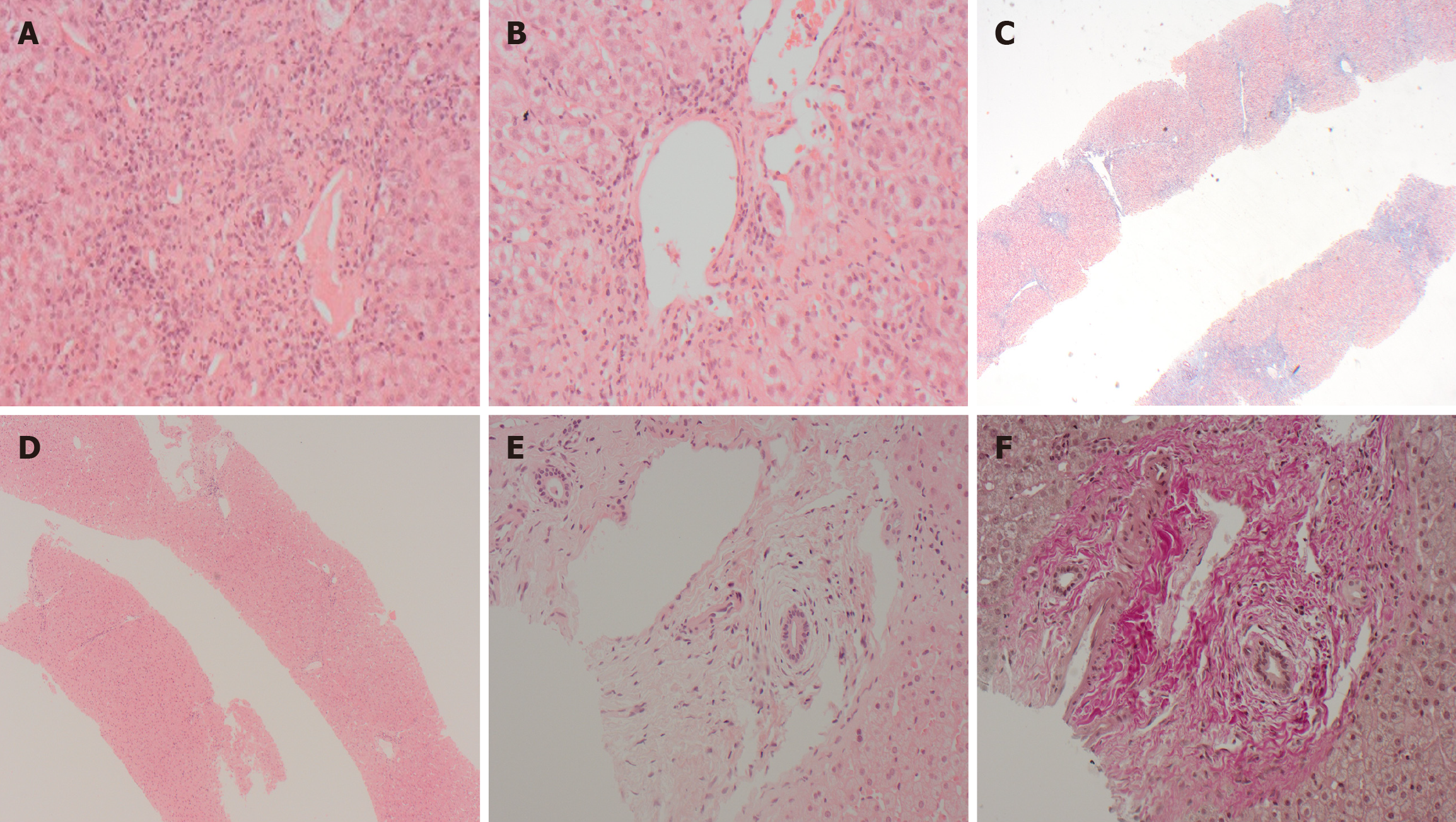
Figure 3 Sequential liver biopsies in a patient with refractory autoimmune hepatitis with a change of phenotype to primary sclerosing cholangitis over time.
A: Index biopsy showing features compatible with autoimmune hepatitis; portal plasma cell-rich infiltrate with interface hepatitis; B: Perivenular infiltrate with hepatocyte dropout [A and B: Hematoxylin-eosin (HE) × 200]; C: Early bridging fibrosis was present at time of index biopsy (Masson trichrome × 40); D and E: Follow-up biopsy after 10 years; resolution of inflammation (D) (HE × 40); subtle biliary features with an “onion skin” sclerosing bile duct lesion (E) (HE × 200); F: Sclerosing bile duct on collagen stain (Haematoxylin van Gieson × 200).
- Citation: Valamparampil J, Brown RM, McKiernan P. Refractory autoimmune hepatitis in children: Considerations for assessment and management. World J Hepatol 2025; 17(12): 110966
- URL: https://www.wjgnet.com/1948-5182/full/v17/i12/110966.htm
- DOI: https://dx.doi.org/10.4254/wjh.v17.i12.110966