
















©The Author(s) 2025.
World J Hepatol. Oct 27, 2025; 17(10): 110848
Published online Oct 27, 2025. doi: 10.4254/wjh.v17.i10.110848
Published online Oct 27, 2025. doi: 10.4254/wjh.v17.i10.110848
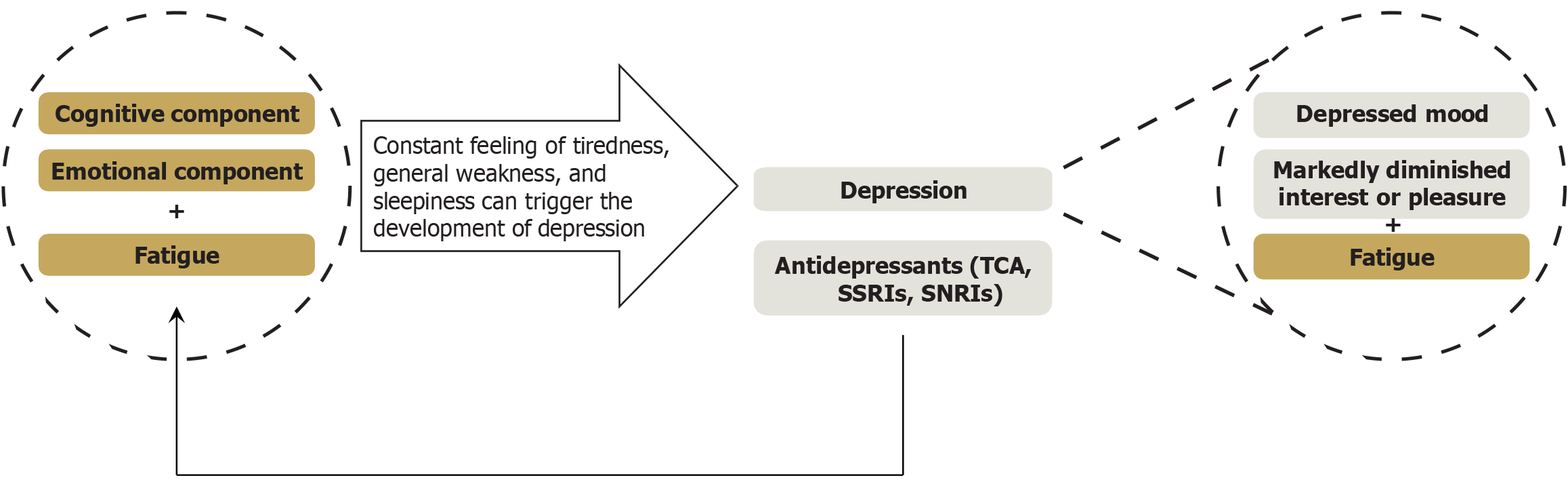
Figure 2 The relationship between fatigue and depression.
In the context of chronic liver disease, fatigue and depression are generally regarded as distinct pathological entities. However, the persistent feelings of tiredness, general weakness, and sleepiness characteristic of fatigue can precipitate the development of depression. In such cases, a patient experiencing fatigue should also exhibit either a depressed mood or markedly diminished interest or pleasure in most activities for a minimum duration of two weeks. Conversely, certain medications, such as tricyclic antidepressants, selective serotonin reuptake inhibitors, and serotonin-norepinephrine reuptake inhibitors, can independently induce fatigue. Therefore, in patients with metabolic dysfunction-associated steatotic liver disease and depression, fatigue may be caused or exacerbated by these treatments. Under these circumstances, fatigue often manifests as a complex, multidimensional condition involving not only physical but also cognitive and emotional components. TCAs: Tricyclic antidepressants; SSRIs: Selective serotonin reuptake inhibitors; SNRIs: Serotonin-norepinephrine reuptake inhibitors.
- Citation: Sheptulina AF, Golubeva JA, Kiselev AR, Drapkina OM. Clinical significance and pathogenic mechanisms of fatigue in metabolic dysfunction-associated steatotic liver disease. World J Hepatol 2025; 17(10): 110848
- URL: https://www.wjgnet.com/1948-5182/full/v17/i10/110848.htm
- DOI: https://dx.doi.org/10.4254/wjh.v17.i10.110848