
















©The Author(s) 2025.
World J Hepatol. Oct 27, 2025; 17(10): 110412
Published online Oct 27, 2025. doi: 10.4254/wjh.v17.i10.110412
Published online Oct 27, 2025. doi: 10.4254/wjh.v17.i10.110412
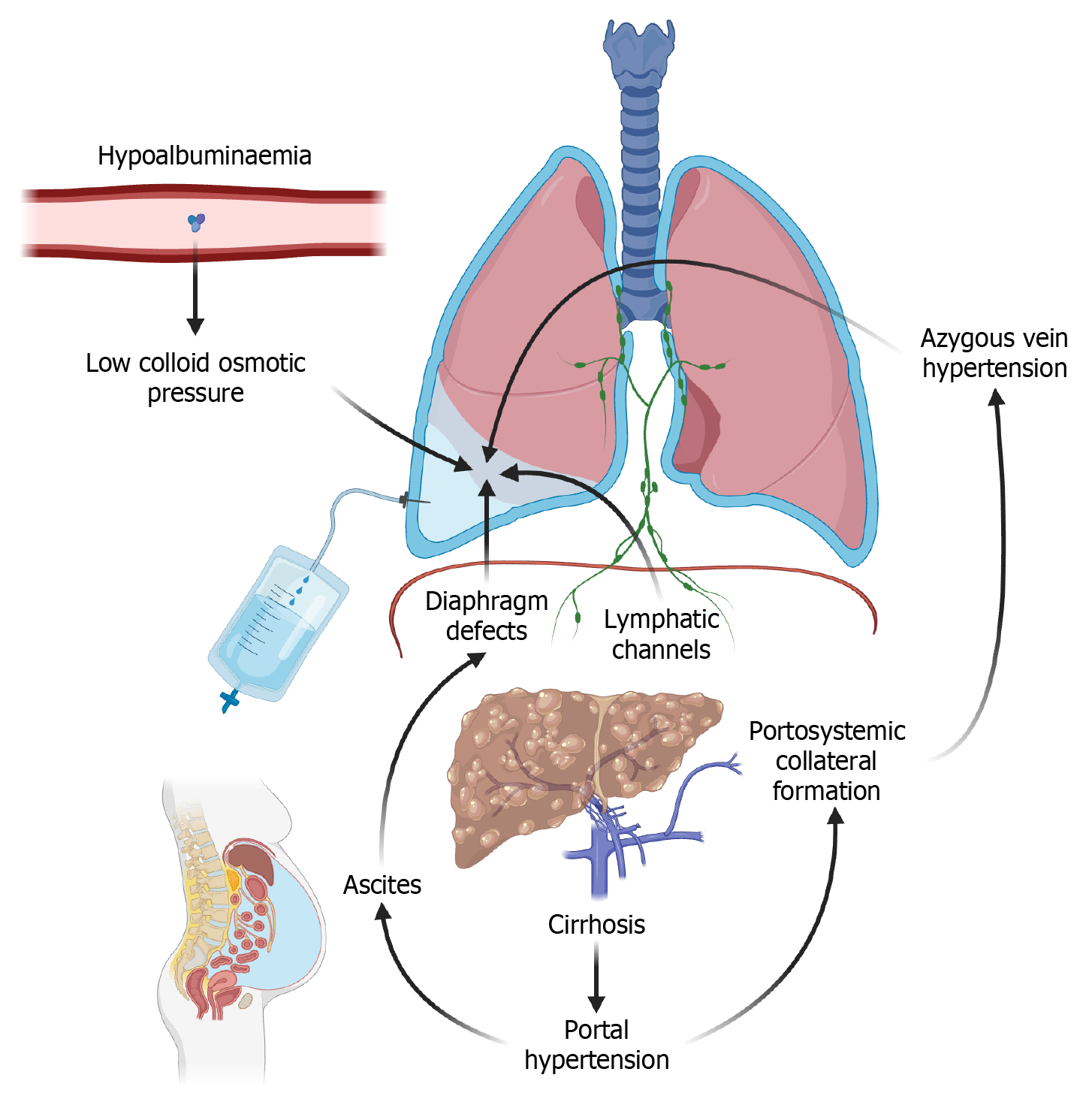
Figure 1 Proposed mechanisms of hepatic hydrothorax.
Among the proposed explanatory models for hepatic hydrothorax (HH) accumulation, migration of ascitic fluid through diaphragmatic defects is the most widely accepted. Progressive fibrosis and cirrhosis lead to portal hypertension and ascites. Long-standing and uncontrolled ascites forms blebs and fenestrations which permit direct communication between the peritoneal and pleural spaces. In addition, portal hypertension promotes the formation of portosystemic collaterals which in turn worsens azygous venous congestion. Impaired hepatic synthetic function results in hypoalbuminaemia and decreased colloid osmotic pressure. This exacerbates fluid accumulation and third spacing in potential spaces such as the pleural cavity. Finally, redistribution of interstitial fluid via lymphatic networks into the pleural space also contributes to HH accumulation.
- Citation: Cilia BJ, Haridy J, Raj A, Hannah N. Hepatic hydrothorax as a manifestation of decompensated cirrhosis: An update on current management and future directions. World J Hepatol 2025; 17(10): 110412
- URL: https://www.wjgnet.com/1948-5182/full/v17/i10/110412.htm
- DOI: https://dx.doi.org/10.4254/wjh.v17.i10.110412