
















©The Author(s) 2025.
World J Hepatol. Oct 27, 2025; 17(10): 110026
Published online Oct 27, 2025. doi: 10.4254/wjh.v17.i10.110026
Published online Oct 27, 2025. doi: 10.4254/wjh.v17.i10.110026
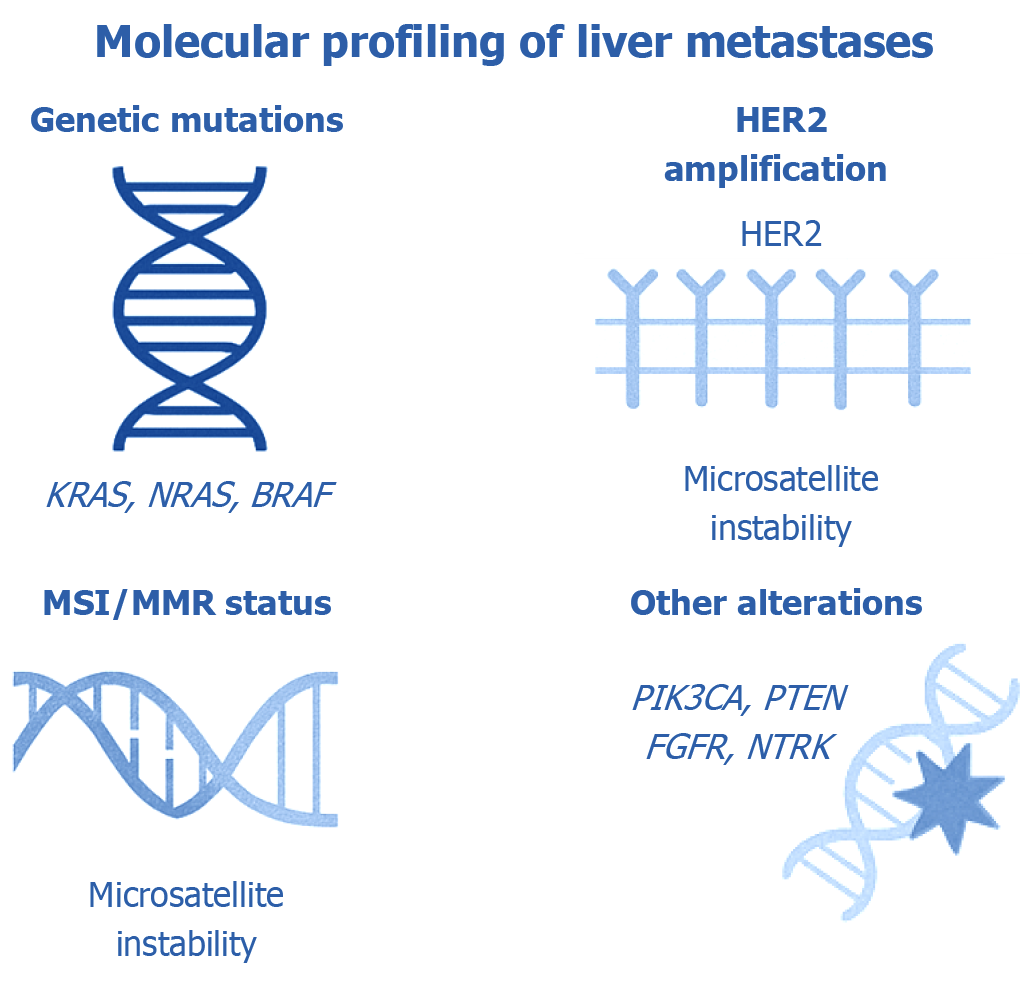
Figure 2 Molecular biomarkers relevant to the evaluation of liver metastases.
This illustration highlights key molecular biomarkers routinely investigated in liver metastases to support both prognostic assessment and therapeutic planning. Mutations in KRAS, NRAS, and BRAF are among the most frequently tested alterations, as they significantly influence eligibility for anti-epidermal growth factor receptor therapies and are associated with disease progression. Human epidermal growth factor receptor-2 (HER2) (ERBB2) amplification is recognized as a targetable alteration in certain subsets of gastrointestinal and breast cancers, offering opportunities for HER2-directed therapies. Analysis of microsatellite instability and mismatch repair status provides important predictive value for identifying patients likely to benefit from immunotherapy. Additional molecular events–such as mutations in PIK3CA (coding for the catalytic subunit of phosphoinositide 3-kinase), phosphatase and tensin homolog (PTEN) loss, alterations in fibroblast growth factor receptor, and neurotrophic tyrosine receptor kinase gene rearrangements-also have clinical relevance and may inform targeted treatment approaches. The integration of molecular profiling into standard clinical workflows enhances precision oncology, enabling more effective and personalized care for patients with metastatic involvement of the liver. FGFR: Fibroblast growth factor receptor; HER2: Human epidermal growth factor receptor-2; NTRK: Neurotrophic tyrosine receptor kinase; PTEN: Phosphatase and tensin homolog.
- Citation: Ebrahim NAA, Farghaly TA, El-Sherif AA, Fahmy AM, Othman MO, Tahoun NS, Korany OM, Arafat A, Oreaba R, Soliman SMA. Clinicopathological insights and management of liver metastases: Current advances and future perspectives. World J Hepatol 2025; 17(10): 110026
- URL: https://www.wjgnet.com/1948-5182/full/v17/i10/110026.htm
- DOI: https://dx.doi.org/10.4254/wjh.v17.i10.110026