
















©The Author(s) 2025.
World J Hepatol. Oct 27, 2025; 17(10): 109898
Published online Oct 27, 2025. doi: 10.4254/wjh.v17.i10.109898
Published online Oct 27, 2025. doi: 10.4254/wjh.v17.i10.109898
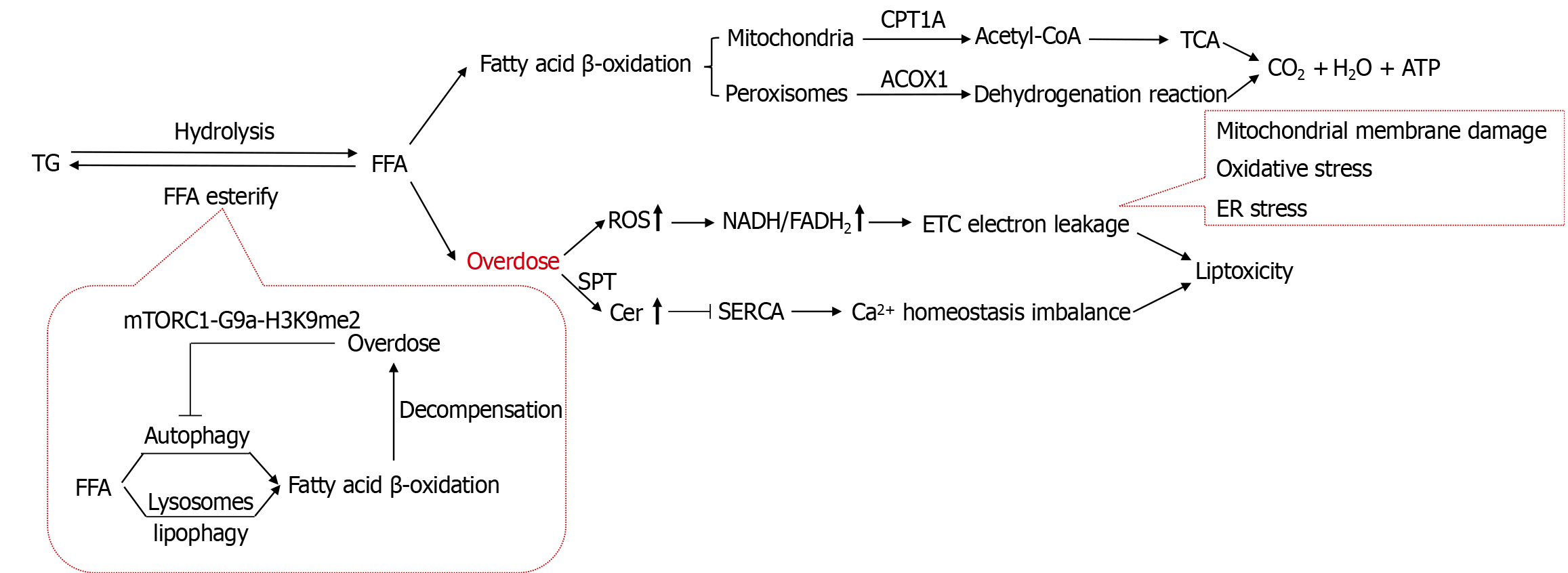
Figure 3 Dysregulated triglyceride catabolism in the liver enhances lipid toxicity.
Dysregulated hepatic triglyceride catabolism (adipose triglyceride lipase/carnitine palmitoyltransferase 1A dysfunction) causes free fatty acid/ceramide accumulation, triggering oxidative stress and organelle damage. Impaired autophagy and peroxisome proliferator-activated receptor α dysregulation exacerbate lipotoxicity, synergistically driving metabolic dysfunction-associated steatotic disease progression. TG: Triglyceride; FFA: Free fatty acid; CPT1A: Carnitine palmitoyltransferase 1A; TCA: Tricarboxylic acid cycle; ACOX1: Acyl-CoA oxidase 1; ROS: Reactive oxygen species; ETC: Electron transport chain; ER: Endoplasmic reticulum; ATGL: Adipose triglyceride lipase; Cer: Ceramide; SERCA: Sarcoplasmic endoplasmic reticulum calcium ATPase; MASLD: Metabolic dysfunction-associated steatotic disease; mTORC1: Mechanistic target of rapamycin complex 1.
- Citation: Li SQ, Wu JH, Zhou Y, Wang CX, Xie L, Liu SY, Su YZ, He W, Chen H, Zhong WW, He YH. Hepatocyte nuclear factors dynamically regulate triglyceride metabolic reprogramming in metabolic dysfunction-associated steatotic liver disease: Mechanisms and implications. World J Hepatol 2025; 17(10): 109898
- URL: https://www.wjgnet.com/1948-5182/full/v17/i10/109898.htm
- DOI: https://dx.doi.org/10.4254/wjh.v17.i10.109898