
















©The Author(s) 2025.
World J Hepatol. Oct 27, 2025; 17(10): 109898
Published online Oct 27, 2025. doi: 10.4254/wjh.v17.i10.109898
Published online Oct 27, 2025. doi: 10.4254/wjh.v17.i10.109898
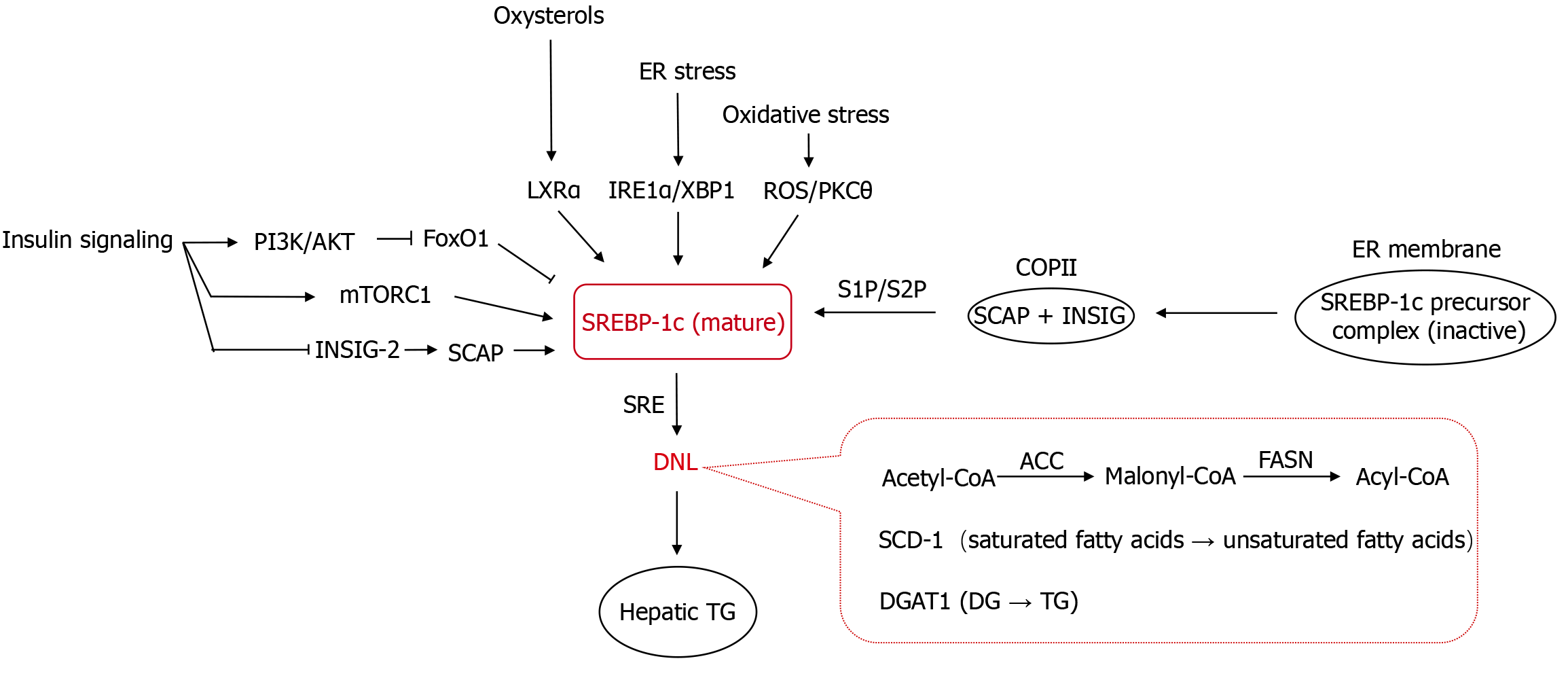
Figure 2 Hepatic sterol regulatory element-binding protein-lc integrates multiple signaling pathways and promotes de novo lipogenesis.
Sterol regulatory element-binding protein-lc integrates insulin/inflammatory signals to upregulate lipogenic enzymes (acetyl-CoA carboxylase/fatty acid synthase), driving hepatic de novo lipogenesis and triglyceride accumulation. Targeted sterol regulatory element-binding protein-lc inhibition ameliorates steatosis, but triggers metabolic imbalance and cellular damage, requiring balanced therapeutic strategies. ER: Endoplasmic reticulum; LXRα: Liver X receptor alpha; IRE1α: Inositol-requiring enzyme 1 alpha; XBP1: X-box binding protein 1; ROS: Reactive oxygen species; PKC: Protein kinase C; PI3K: Phosphatidylinositol 3-kinase; AKT: Protein kinase B; FoxO1: Forkhead box protein O1; mTORC1: Mechanistic target of rapamycin complex 1; INSIG: Insulin-induced gene; SCAP: Sterol regulatory element-binding protein cleavage-activating protein; SREBP-1c: Sterol regulatory element-binding protein-lc; S1P: Signal peptide peptidase 1; S2P: Signal peptide peptidase 2; COP: Coat protein complex; SRE: Sterol regulatory element; DNL: De novo lipogenesis; ACC: Acetyl-CoA carboxylase; FASN: Fatty acid synthase; SCD-1: Stearoyl-CoA desaturase 1; DGAT: Diacylglycerol acyltransferase; SPT: Serine palmitoyltransferase; TG: Triglyceride.
- Citation: Li SQ, Wu JH, Zhou Y, Wang CX, Xie L, Liu SY, Su YZ, He W, Chen H, Zhong WW, He YH. Hepatocyte nuclear factors dynamically regulate triglyceride metabolic reprogramming in metabolic dysfunction-associated steatotic liver disease: Mechanisms and implications. World J Hepatol 2025; 17(10): 109898
- URL: https://www.wjgnet.com/1948-5182/full/v17/i10/109898.htm
- DOI: https://dx.doi.org/10.4254/wjh.v17.i10.109898