
















Copyright: ©Author(s) 2026.
World J Stem Cells. Jul 26, 2026; 18(7): 119895
Published online Jul 26, 2026. doi: 10.4252/wjsc.119895
Published online Jul 26, 2026. doi: 10.4252/wjsc.119895
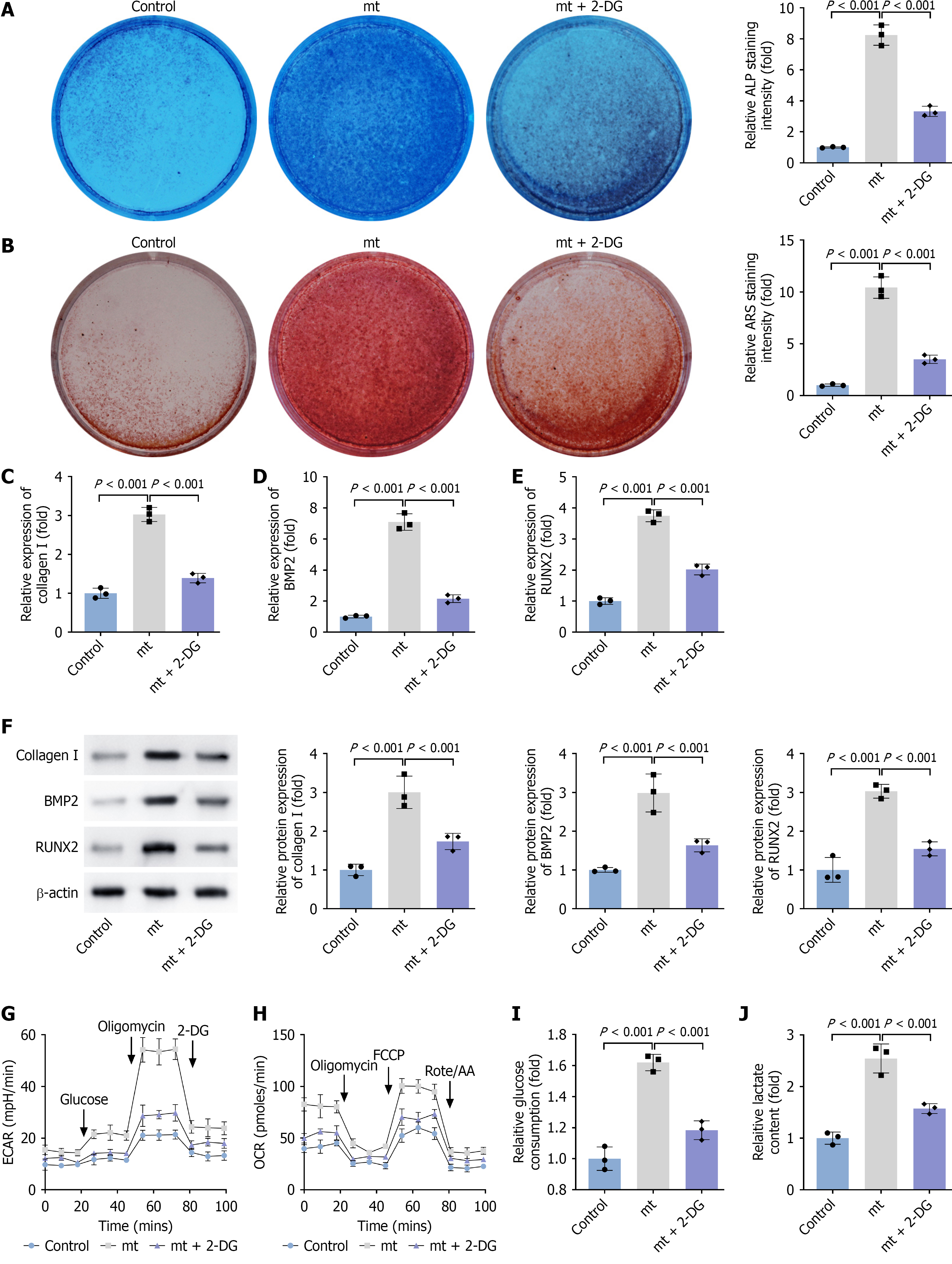
Figure 6 Mitochondria facilitated osteogenic differentiation and glycolysis via histone lactylation.
Adipose-derived stem cells were treated with mitochondria and 2-deoxy-D-glucose. A and B: Osteogenic differentiation was evaluated using alkaline phosphatase (A) and Alizarin Red S (B) staining; C-E: The expression of collagen I (C), BMP2 (D), and RUNX2 (E) was measured using quantitative real-time polymerase chain reaction; F: Protein levels of collagen I, BMP2, and RUNX2 were measured using western blotting; G and H: Extracellular acidification rate (G) and oxygen consumption rate (H) were measured using Seahorse experiments; I and J: Glucose consumption (I) and lactate content (J) were detected using their corresponding commercial kits. n = 3. Data were analyzed by one-way ANOVA followed by Tukey’s post hoc test and are presented as mean ± SD. 2-DG: 2-deoxy-D-glucose; ALP: Alkaline phosphatase; ARS: Alizarin Red S; ECAR: Extracellular acidification rate; OCR: Oxygen consumption rate; Rote/AA: Rotenone/antimycin A.
- Citation: Pan Z, Zhang R, Du GM, Yi JH, Bao J, Liu CD. Platelet-derived mitochondria transfer accelerates fracture healing by promoting osteogenic differentiation and metabolic reprogramming of adipose-derived stem cells. World J Stem Cells 2026; 18(7): 119895
- URL: https://www.wjgnet.com/1948-0210/full/v18/i7/119895.htm
- DOI: https://dx.doi.org/10.4252/wjsc.119895