
















Copyright: ©Author(s) 2026.
World J Stem Cells. Jul 26, 2026; 18(7): 119260
Published online Jul 26, 2026. doi: 10.4252/wjsc.119260
Published online Jul 26, 2026. doi: 10.4252/wjsc.119260
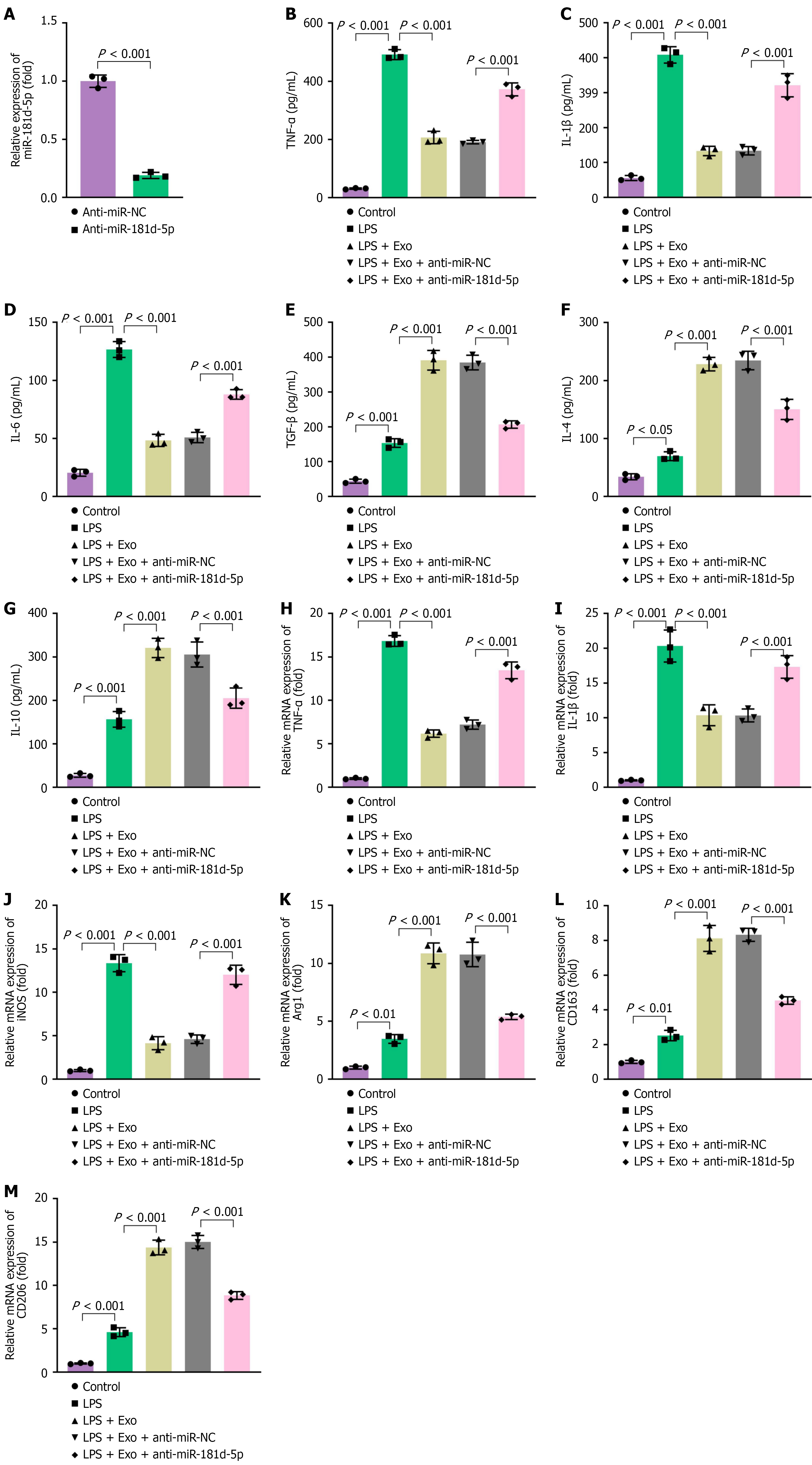
Figure 4 The knockdown of miR-181d-5p reverses the modulatory effects of exosomes.
A: The expression level of miR-181d-5p in microglia after miR-181d-5p knockdown was measured by reverse transcription and quantitative polymerase chain reaction; B-G: The concentrations of cytokines in the culture supernatants were measured by enzyme-linked immunosorbent assay; pro-inflammatory cytokines tumor necrosis factor-alpha (B), interleukin (IL)-1β (C), and IL-6 (D); anti-inflammatory cytokines transforming growth factor-beta (E), IL-4 (F), and IL-10 (G); H-M: The mRNA expression levels of microglial polarization markers were analyzed by reverse transcription and quantitative polymerase chain reaction; M1 phenotype-related genes tumor necrosis factor-alpha (H), IL-1β (I), and inducible nitric oxide synthase (J); M2 phenotype-related genes arginase1 (K), CD163 (L), and CD206 (M). Data are presented as mean ± SD. LPS: Lipopolysaccharide; Exo: Exosome; TNF-α: Tumor necrosis factor-alpha; IL: Interleukin; TGF-β: Transforming growth factor-beta; iNOS: Inducible nitric oxide synthase; Arg1: Arginase1.
- Citation: Wang W, Wang B, Yin H. Exosomal miR-181d-5p promotes spinal cord injury repair by driving microglial polarization from M1 to M2 phenotype. World J Stem Cells 2026; 18(7): 119260
- URL: https://www.wjgnet.com/1948-0210/full/v18/i7/119260.htm
- DOI: https://dx.doi.org/10.4252/wjsc.119260