
















Copyright: ©Author(s) 2026.
World J Stem Cells. Jun 26, 2026; 18(6): 120502
Published online Jun 26, 2026. doi: 10.4252/wjsc.120502
Published online Jun 26, 2026. doi: 10.4252/wjsc.120502
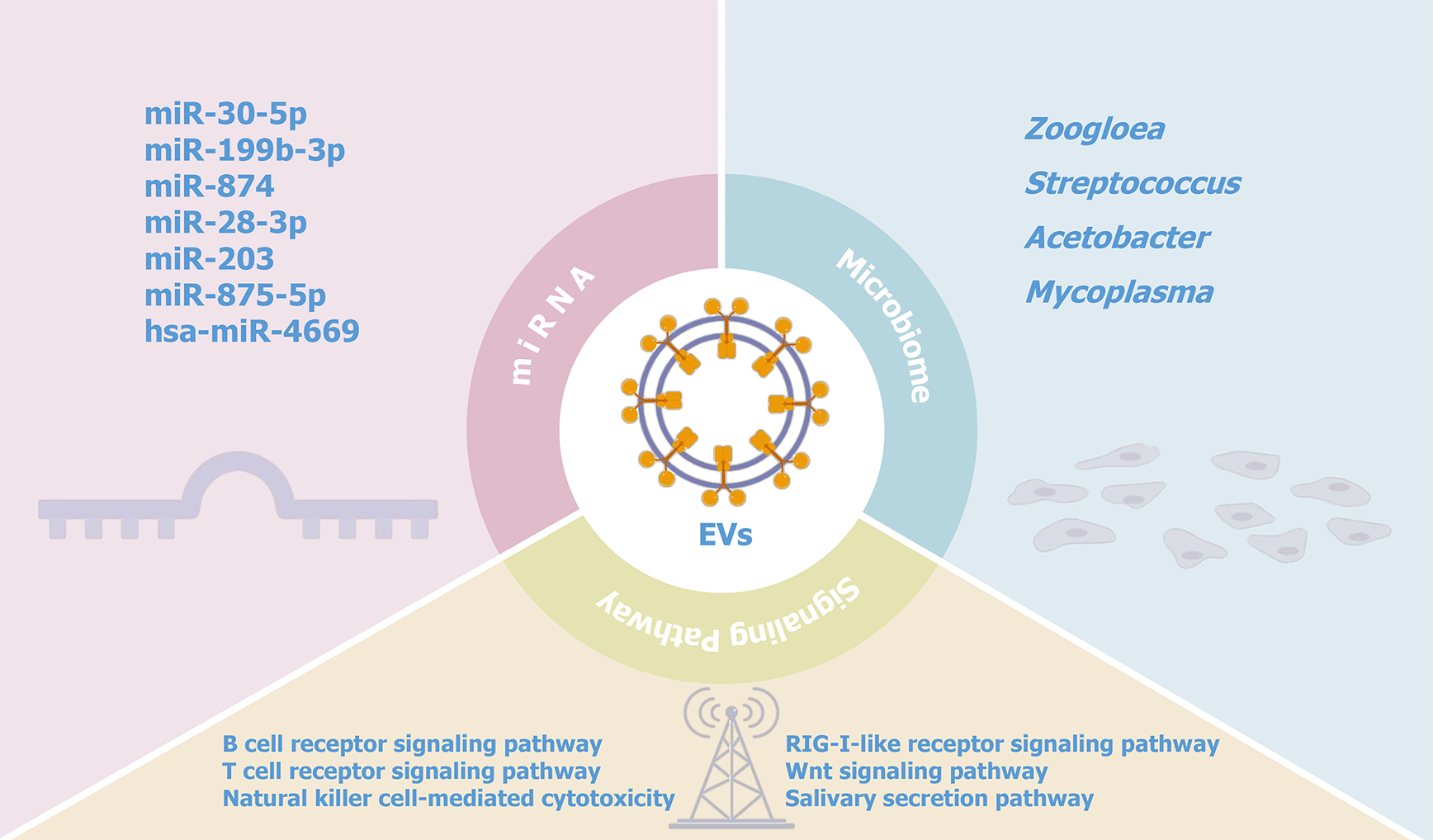
Figure 2 The role of extracellular vesicles in allergic rhinitis.
Extracellular vesicles (EVs) play a crucial role in allergic rhinitis (AR): The microRNAs (miRNAs) they carry (such as miR-30-5p, miR-199b-3p, miR-874, miR-149-5p, and miR-150-5p) promote Th2/type 2 innate lymphoid cell immune responses and B cell activation by regulating pathways such as Wnt/AXIN2, signal transducer and activator of transcription 3, and phosphatidyl-inositol-3-kinase/protein kinase B/mammalian target of rapamycin. Simultaneously, the microbiome in nasal EVs of AR patients is imbalanced, characterized by reduced Zoogloea and Streptococcus and enriched Acetobacter and Mycoplasma, reflecting local microecological dysbiosis. These characteristics collectively form the basis for EVs as multidimensional biomarkers of AR. EVs: Extracellular vesicles; miRNA: MicroRNA.
- Citation: Fang H, Wang JP, Li BB. Extracellular vesicles in allergic rhinitis: Immune regulatory mechanisms and therapeutic applications. World J Stem Cells 2026; 18(6): 120502
- URL: https://www.wjgnet.com/1948-0210/full/v18/i6/120502.htm
- DOI: https://dx.doi.org/10.4252/wjsc.120502