
















Copyright: ©Author(s) 2026.
World J Stem Cells. Jun 26, 2026; 18(6): 118674
Published online Jun 26, 2026. doi: 10.4252/wjsc.118674
Published online Jun 26, 2026. doi: 10.4252/wjsc.118674
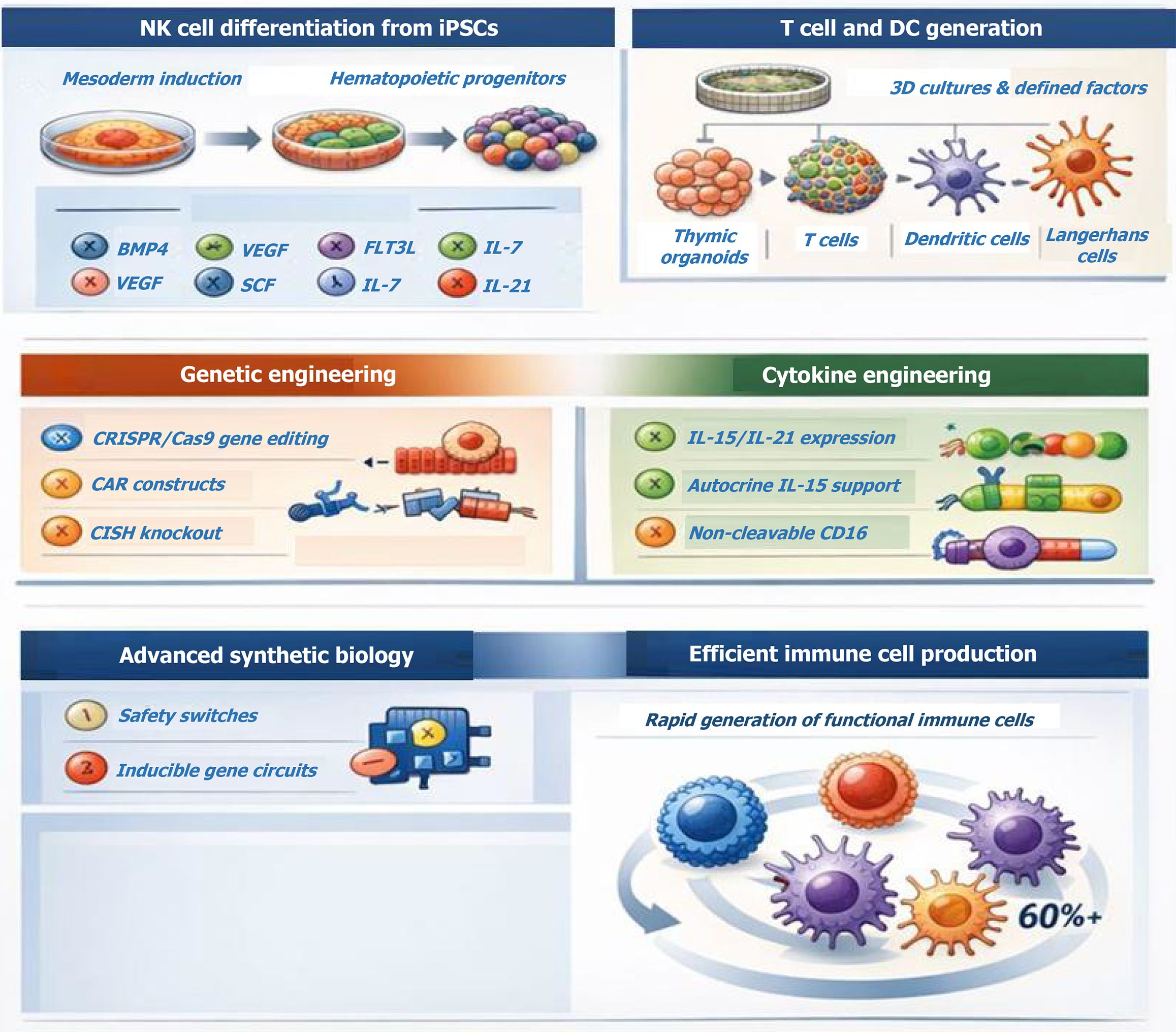
Figure 2 Differentiation frameworks and molecular engineering approaches for stem cell-derived immune cell therapies.
Induced pluripotent stem cells are first directed toward hematopoietic progenitors and subsequently differentiated into natural killer cells, T lymphocytes, or dendritic cells using lineage-specific cytokines and organoid- or three-dimensional culture systems, yielding immune populations with robust cytotoxic activity and effective antigen presentation. Targeted molecular modifications - including CRISPR/Cas9-mediated gene editing, cytokine signaling enhancement, CD16 engineering, and the incorporation of controllable safety switches -improve cellular persistence, functional potency, and therapeutic safety. This combined differentiation and engineering strategy supports the scalable generation of highly effective, precisely tailored immune effector cells for advanced immunotherapy applications. NK: Natural killer; iPSCs: Induced pluripotent stem cells; BMP4: Bone morphogenetic protein 4; VEGF: Vascular endothelial growth factor; FLT3 L: Fms-like tyrosine kinase 3 ligand; IL: Interleukin; SCF: Stem cell factor; DC: Dendritic cell; CAR: Chimeric antigen receptor; CISH: Cytokine-inducible SH2-containing protein; 3D: Three-dimensional.
- Citation: Tolan DA, Ebrahim NAA, AlAli NS, Ahmed HA, Alharshan GA, Arafat AMA. Stem cell-derived immune cells in pediatric cancer therapy: From bench to bedside. World J Stem Cells 2026; 18(6): 118674
- URL: https://www.wjgnet.com/1948-0210/full/v18/i6/118674.htm
- DOI: https://dx.doi.org/10.4252/wjsc.118674