
















Copyright: ©Author(s) 2026.
World J Stem Cells. May 26, 2026; 18(5): 118307
Published online May 26, 2026. doi: 10.4252/wjsc.v18.i5.118307
Published online May 26, 2026. doi: 10.4252/wjsc.v18.i5.118307
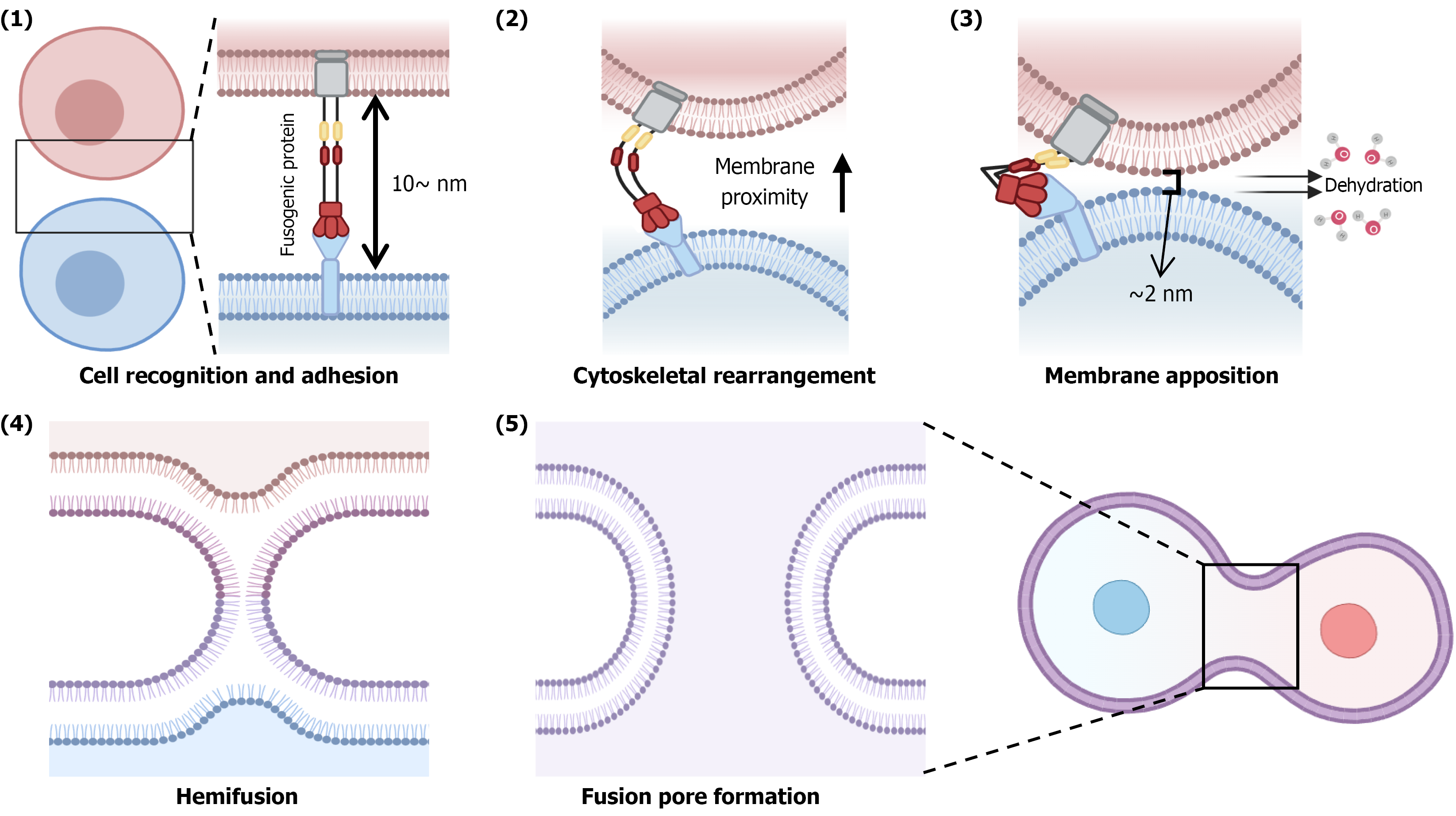
Figure 1 Schematic illustration of the cell fusion process.
The diagram shows the sequential steps of cell-cell fusion: (1) Cell recognition and adhesion: Two distinct cells recognize each other through receptor-ligand interactions, initiating adhesion; (2) Cytoskeletal rearrangement: Actin cytoskeleton remodeling promotes membrane proximity and prepares for fusion; (3) Membrane apposition and dehydration: The opposing plasma membranes are brought into close contact, and local dehydration of the intermembrane space occurs; (4) Hemifusion: The outer leaflets of the lipid bilayers merge, forming an intermediate hemifusion structure; and (5) Fusion pore formation: A pore opens between the two cells, enabling cytoplasmic continuity and resulting in a fully fused multinucleated cell.
- Citation: Kim JS, Hwang IS, Kim SJ, Moon MH, Park HD, Jin BH, Kim DY, Lee MJ, Eum SY, Yoo SJ, Cha BH. Cell-cell fusion and stem cell plasticity: Emerging paradigms in tissue regeneration. World J Stem Cells 2026; 18(5): 118307
- URL: https://www.wjgnet.com/1948-0210/full/v18/i5/118307.htm
- DOI: https://dx.doi.org/10.4252/wjsc.v18.i5.118307